6 things to consider when choosing all-terrain tires
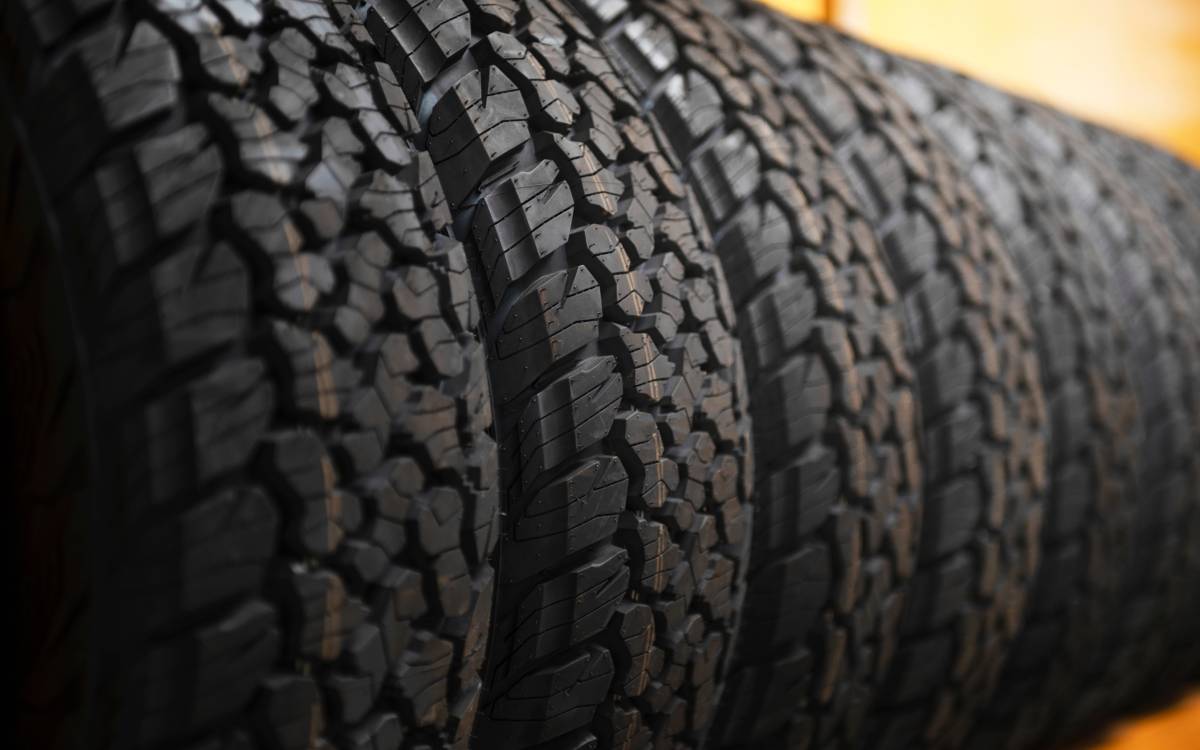
All-terrain tyres are designed to handle different driving conditions. From paved highways to gravel roads, dirt tracks, and mild off-road terrain, these tyres can cover many bases. They are often chosen by drivers who need versatility rather than a tyre optimized for a single surface. Selecting the right all-terrain tyre involves understanding driving habits, vehicle requirements, and the environments the tyre is expected to perform in. A well-chosen tyre supports safety, durability, and consistent performance across changing road conditions.
Driving conditions and usage
When selecting all-terrain tires, a driver should first assess how and where the vehicle is used. All-terrain tires vary in how aggressively they are designed, and not all options perform equally across surfaces. Some vehicles are mostly driven on highways with little to no time on unpaved roads, while others regularly ride on rocky, sandy, or muddy paths with uneven terrain. An honest review of one’s driving habits helps avoid choosing tires that are too noisy for daily highway commuting or too weak for rugged off-road weekend adventures.
Tread pattern and design
The tire’s tread pattern plays a crucial role in how it performs. Tires with wide, deep treads handle dirt and gravel roads very well. Some are also designed to shake off dirt and gravel to maintain grip on rough and uneven ground. However, tires with tighter, more closely spaced treads are quieter and more stable on paved roads. Very aggressive tires can make for a loud, bumpy ride and use more fuel. When choosing tires, one must balance off-road performance with comfort. An off-road tire’s performance depends on three main factors: tread depth, sidewall strength, and compound flexibility. Stronger sidewalls protect the tire when driving over rough terrain. Some all-terrain tires feature special sidewalls that improve traction in sand or shallow mud.
On-road performance
Many drivers use all-terrain tires on both paved roads and uneven terrain. So, it is important to check the tire’s performance on both roads. For example, one should check how well the tires brake, how they handle steering, and how comfortable they feel. Many all-terrain tires feature specialized rubber and reinforced tread blocks to remain stable at highway speeds. It is also important to check how the tires handle wet roads. Proper tread designs help move water away, which keeps the tires safe in the rain.
Tire size and vehicle compatibility
Choosing the correct tire size is important for vehicle safety and performance. Manufacturers recommend specific tire sizes to ensure good handling, braking, and suspension alignment. Some drivers choose larger tires to make their vehicles look stronger or to get more ground clearance. However, larger tires can reduce fuel efficiency and comfort. Upsizing also causes the speedometer to display inaccurate speeds. All-terrain tires should match the manufacturer’s recommended load rating and size to keep the vehicle balanced.
Load rating and weight capacity
The load rating number indicates the maximum weight a tire can safely carry. This is a particularly important factor for multi-purpose transport vehicles. Selecting a tire with an appropriate load rating helps ensure stability and reduces the risk of premature wear. Overloading a tire can affect handling and increase stress on the tire structure, especially during long drives or off-road use.
Weather and climate
Climate is an important factor to consider when choosing all-terrain tires. Some all-terrain tires handle a wide range of temperatures well, while others are best suited to mild weather. In cold weather, a tire’s rubber needs to be flexible for good grip. On the other hand, in warmer months, a tire needs to resist heat to last longer. In areas that experience frequent rain, one should opt for tire designs that help push water away to prevent sliding.
Choosing a tire that performs well on both on-road and off-road surfaces makes driving safer and more consistent. A good all-terrain tire offers reliable traction, long wear, and good adaptability to different surfaces.