7 maintenance tips for vehicle safety
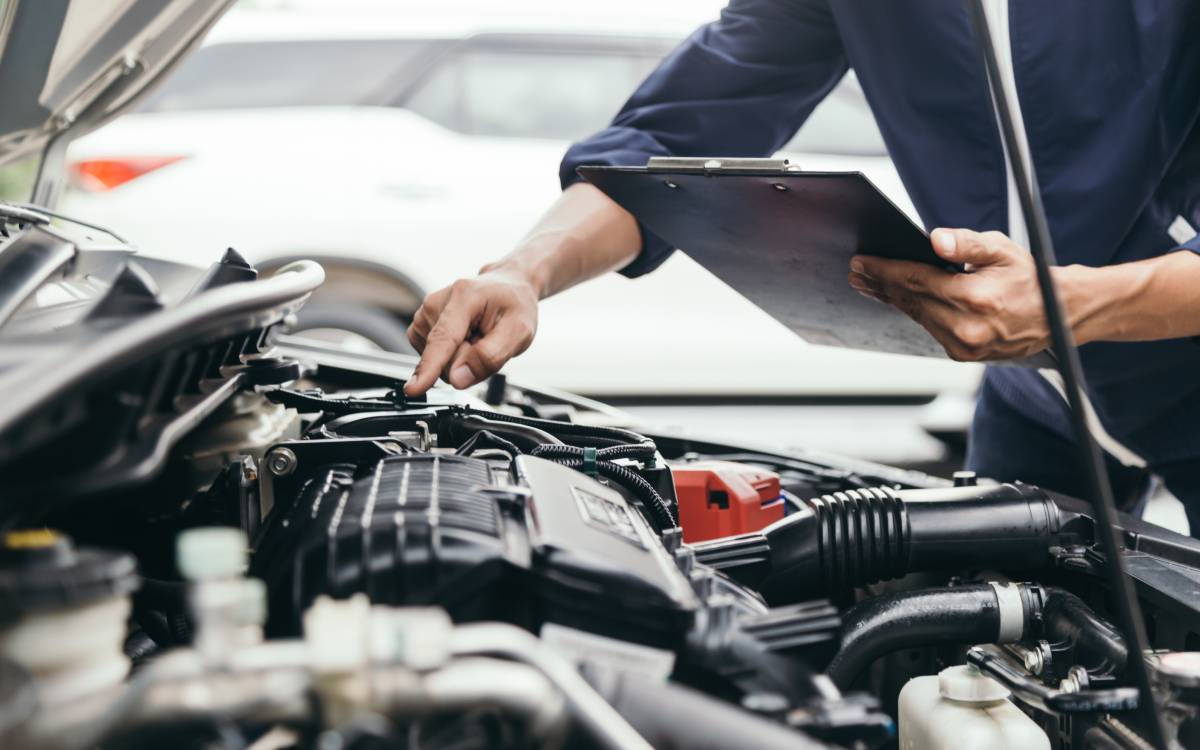
A well-maintained vehicle ensures that critical components operate correctly, reducing the likelihood of mechanical failures that cause accidents. But this requires proactive upkeep, involving regular inspections and timely repairs of essential components. The best car servicing practices help ensure that a vehicle operates reliably, safely, and efficiently while extending its overall lifespan. To ensure a vehicle owner is guided in the right direction with maintenance, it is necessary to follow some helpful tips.
Stick to maintenance schedules
A set maintenance routine is recommended for cars, regardless of model. Follow the instructions in the car’s manual, or send the car to the workshop for service. If a vehicle has been sitting idle for months, have it thoroughly inspected, as prolonged inactivity can cause significant damage to key systems. Keep a maintenance checklist to ensure that all the components are addressed during a service interval.
Be mindful of oil change schedules
Whenever a vehicle is sent to the workshop for maintenance, it usually comes back with an oil change. However, it is imperative also to know when this oil needs to be replaced. For instance, with newer cars, experts recommend replacing the oil every 5,000 miles. But with older models, the friction of parts is higher, making it essential to change the oil sooner, at about 3,000 miles.
Inspect and replace rubber parts
A vehicle has numerous components, including those made of rubber, like belts and hoses. However, rubber can harden and develop cracks over time. If this happens to the vehicle components while the vehicle is in motion, it could leave the occupants stranded for hours. So, it is important to inspect these parts and have them replaced by mechanics.
Keep track of tire and brake health
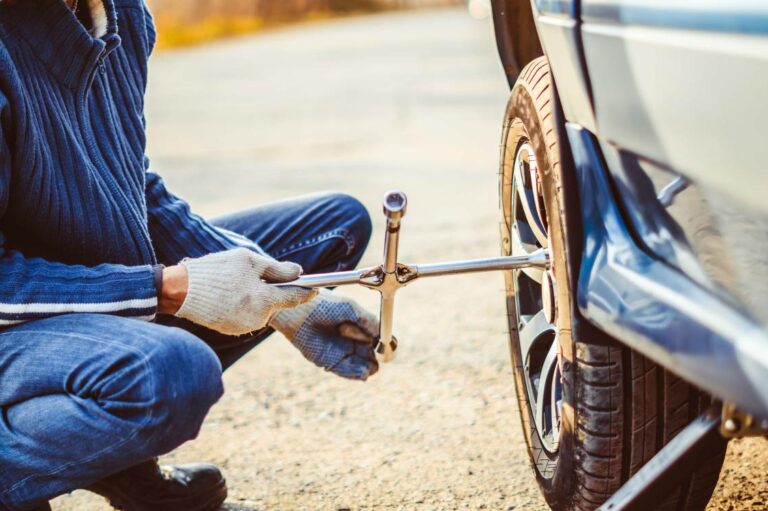
The condition of the tires and brakes is crucial to ensuring the safety of the vehicle’s occupants, especially on wet roads. Responsive brakes are essential for safely stopping the vehicle. So, drivers should monitor for grinding noises or a mushy pedal. These signs indicate worn-out pads that require immediate professional inspection and replacement. Equally important are tires. For instance, adequate tread depth will prevent hydroplaning by dispersing water, while proper tire pressure improves grip and stability.
Regular washing and waxing
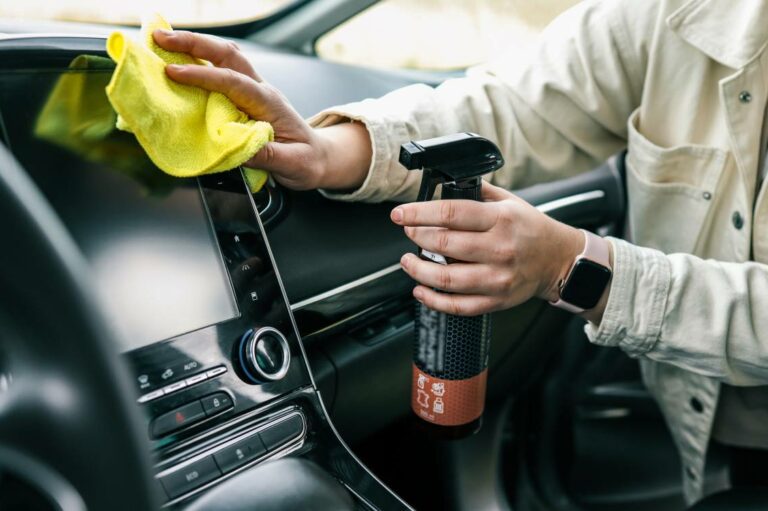
A thorough wash can remove dirt, debris, and corrosive contaminants from essential parts, while waxing adds a protective layer to prevent rust. Proper detailing every few months can keep the car looking new for longer. Experts can recommend protective coatings that can further enhance durability and extend the life of the car’s body kit.
Inspect and top off fluids
Topping off or replacing fluids in a vehicle is necessary to extend its life, especially for high-mileage cars. A few things to check include the coolant, power steering fluid, brake fluid, engine oil, transmission fluid, and windshield washer fluid. Also, when inspecting fluids, it is important to assess their quality. For example, if the levels are normal, but the color is off, the texture is thicker than normal, or the fluid has a burnt or unusual smell, replace it immediately to prevent damage.
Check the lights
From the headlights to the taillights to the license plate lights, everything is important for safety and legal compliance. Moreover, non-functional lights can cause danger on the road due to reduced visibility. Even if the cars display a warning message when a light is out, it’s always a good idea to do a quick walkaround to check for issues. In the case of brake lights, get someone else to press the pedal or use a light-colored surface to check reflections.