7 must-have roadside emergency supplies
When vehicles break down due to mechanical or electrical issues, drivers require immediate roadside assistance. Whether facing flat tires or dead batteries, being stranded on the road can be dangerous. To prevent such incidents, regular vehicle maintenance is essential. If a breakdown occurs, drivers can call professional roadside services or rely on an equipped auto emergency kit to manage the situation safely. Irrespective of the scenario, proper preparation guarantees safety and offers peace of mind.
First aid kit
If someone gets injured on the road, first aid kits can provide a quick solution or a temporary fix. But a first-aid kit is only as useful as the supplies it contains. Gauze, bandages, adhesive tape, ointments, antiseptic wipes, cotton swabs, and necessary pain treatments are some starter items for a first-aid kit. Adding some tweezers, scissors, and a thermometer is a good idea.
Toolbox
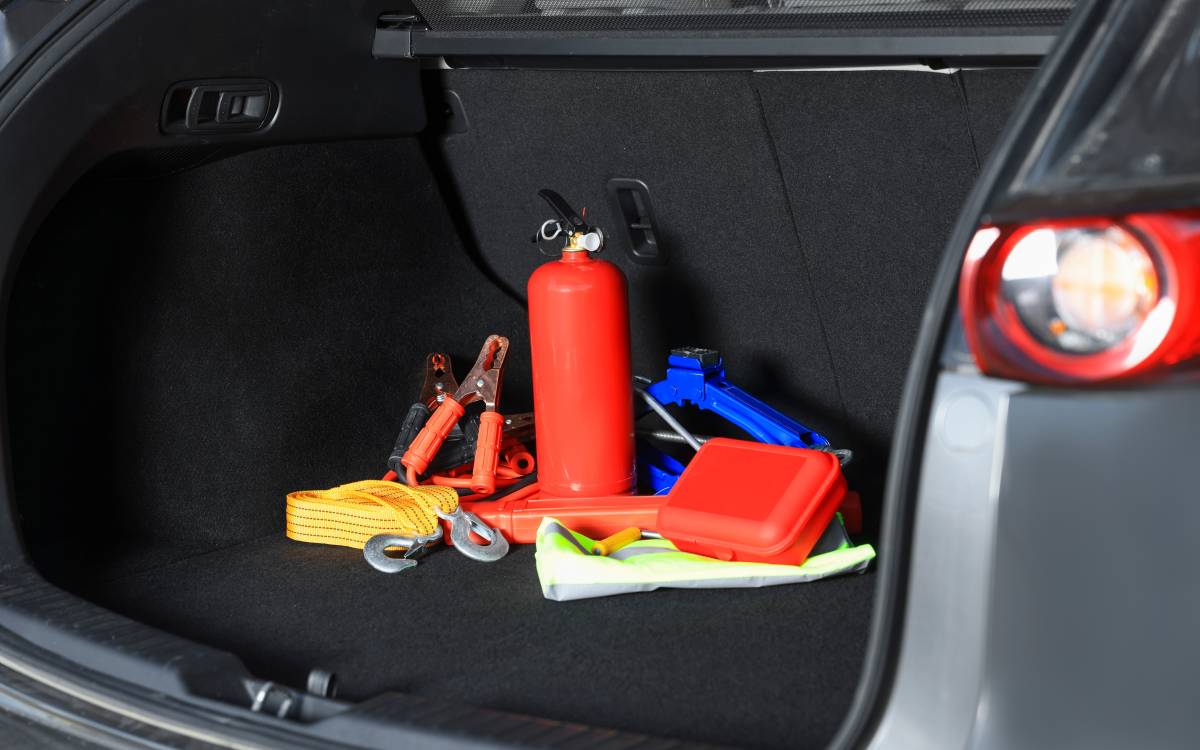
Another must-have for the car is a basic toolbox. Carrying an emergency kit provides solutions for minor repairs and ensures safety if a vehicle breaks down in the middle of nowhere. Ensure the kit includes all basic tools, such as pliers, coolant, antifreeze, duct tape, tire iron, reflective triangles, screwdrivers, a tire pressure gauge with a sealant or inflator, and a jack.
Jumper cables
When a car’s battery fails, jumper cables can be a savior. To avoid paying for a tow, always carry a set of jumper cables with heavy-duty clamps. If one doesn’t have the necessary tools, a helpful stranger can jump-start their dead battery with their own cables. All that will need to be done then is to attach the clamps to the correct battery terminals and follow the set instructions.
Flashlight and visibility gear
When driving at night, emergencies can occur without warning. In such situations, a reliable flashlight can serve as a beacon in the dark. Low visibility, especially when changing a flat tire, inspecting the engine for repairs, or jump-starting a dead battery, can be stressful. So, make sure to invest in visibility gear, a heavy-duty flashlight, and extra batteries. One can also replace flashlights with a headlamp, as it offers better visibility and frees up a hand.
Flat tire kit
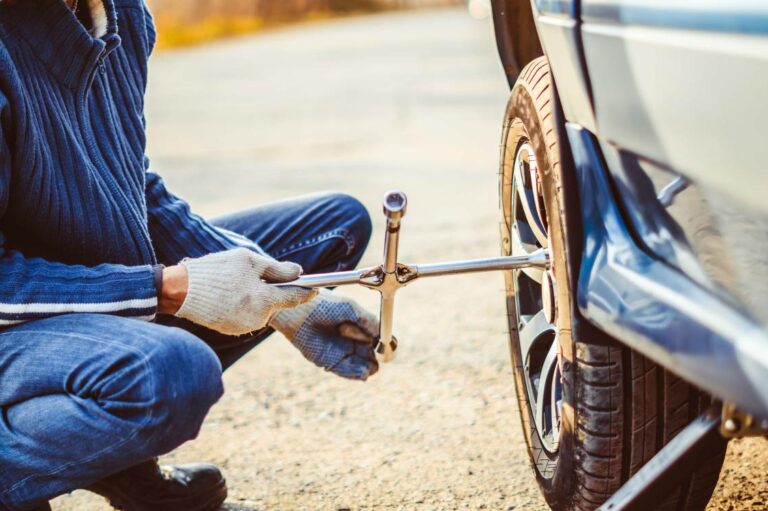
With the right tools, one can easily manage a flat tire without needing a spare. A jack, lug wrench, tire gauge, sealants, a spare tire, gloves, and wheel chocks are basic requirements for replacing a flat tire. A tire gauge helps provide real-time measurements of the air pressure inside the tire. A sealant, as the name indicates, coats the inside of the tire, finds the puncture, and seals it from the inside out. And if a tire is underinflated, a canned tire inflator can do the trick. However, it is important to note that these are only temporary fixes till one can find a professional to address the issue.
Fire extinguisher
Car fires often start small, normally from engine overheating or a wiring issue. This makes a fire extinguisher a fundamental tool for auto emergencies. Drivers will need to check which class of portable fire extinguisher is recommended to carry and invest accordingly. Ensure the extinguisher is easily accessible during an emergency.
Emergency flares and beacons
There is no telling where a car could stop working. It could be a rural road, a busy city street, or the highway. In such cases, it might be difficult for other drivers to spot the stranded vehicle. Setting up flares or battery-powered beacons around vehicles helps alert oncoming traffic. This advanced warning allows other drivers to take precautionary measures, ensuring everyone’s safety. Investing in warning triangles can also pay off. One simply needs to place a couple or more to the side of their car, advising drivers of the stranded vehicles and the occupants’ presence.