7 tips for buying a vintage car in 2026
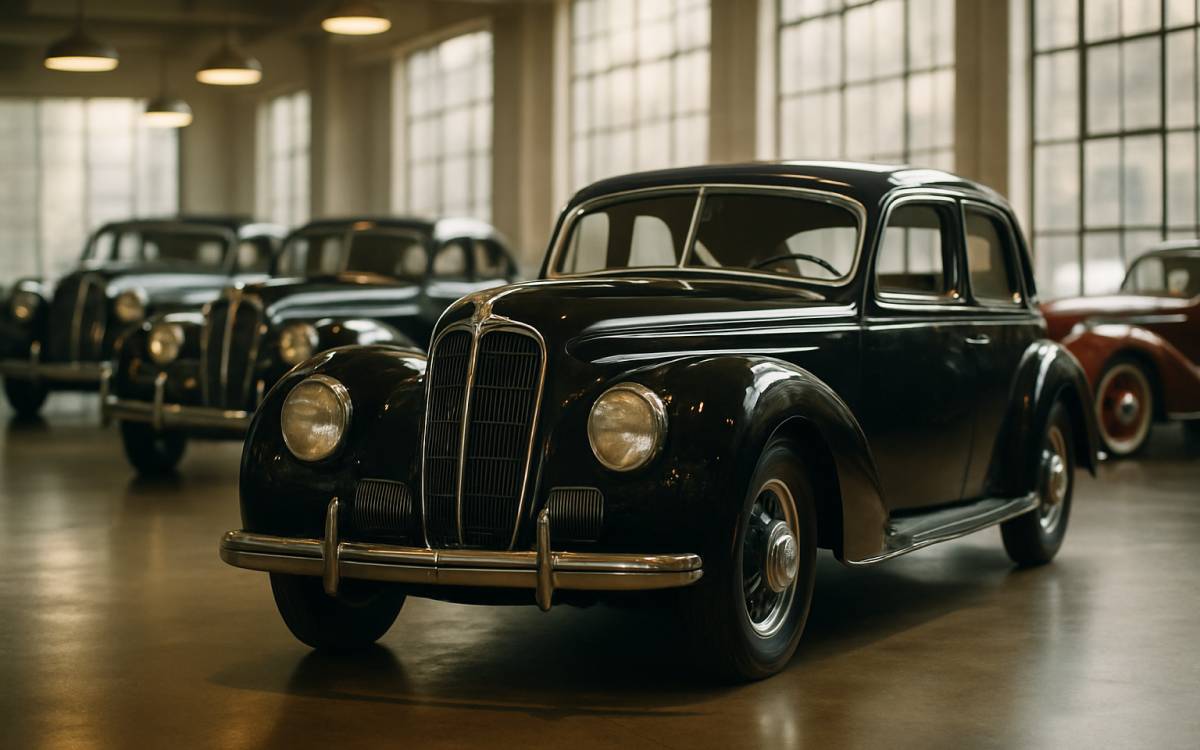
The allure of vintage cars is not restricted to their nostalgic charm; these models are also treasured for their beautiful, timeless design. Whether intended as a collector’s piece or weekend cruiser, these models come with a significant financial commitment for buyers. To ensure the investment yields lasting satisfaction rather than costly regret, it is important for potential buyers to follow a disciplined approach and use various helpful tips to make informed decisions.
Clarify the buying objective
Before exploring vintage cars for sale in 2026, a buyer should clearly define the purpose of owning a classic car. The goal can differ from a long-term investment to restoration or leisure driving. Buyers seeking investment value can focus on the market demand for classic cars, rarity, and potential appreciation. Meanwhile, others purchasing for personal enjoyment may prioritize aesthetic appeal, comfort, performance, or emotional appeal.
Set a realistic budget
If one’s planning on buying a classic car, it’s important to view the budget as a long-term commitment rather than a one-time expense. Moreso, beyond the purchase cost, ongoing responsibilities such as insurance, maintenance, registration, and sourcing parts play a significant role in ownership. Older cars often require specialized care, and repairs can become more expensive over time. By considering these factors from the beginning, buyers can make more informed decisions, such as setting a fixed budget, allowing them to fully enjoy the experience without financial strain.
Consider an auction, but with caution
Classic car auctions can be exciting, but they also come with notable risks. The fast-paced, high-energy environment often capitalizes on emotions, which can lead buyers to exceed their planned budgets. This is why one must set a maximum bid in advance and stick to it. This will help avoid overspending on a car that could be purchased at a lower cost with the right research. Most auctions publish their vehicle listings ahead of time, allowing buyers to research market values and determine a fair price beforehand.
Give preference to original parts
Having original parts in a 2026 classic car plays a significant role in value. Automobiles with original engines, interiors, upholstery, and seating typically sell for more than those equipped with replacement or aftermarket parts. However, maintaining original components will require additional maintenance. On the contrary, a restored car is often easier to drive and enjoy.
Choose a trusted seller or retailer
Selecting a reputable seller is essential when buying a classic car. One can contact a dedicated classic car dealer, as they typically provide a more reliable experience. These specialized dealers possess extensive knowledge of vintage and antique cars available for sale. Their expert insights can offer buyers greater transparency, confidence, and peace of mind.
Research the car’s history
Once the list of cars has been narrowed down, arrange an in-person evaluation. Pay close attention to depreciating factors like rust, especially in the engine bay and undercarriage. These are common and costly issues found in older vehicles.
Reviewing maintenance and service records can provide valuable insight into how well the classic car has been cared for over time. A buyer who lacks mechanical expertise can hire a professional mechanic or certified appraiser to factor in these elements. The expert can thoroughly inspect hidden issues and share an opinion about the vehicle’s condition and potential market value.
Account for storage and maintenance
Older cars are more prone to damage from temperature fluctuations, moisture, and prolonged exposure to sunlight. Most classic vehicles can benefit from being stored in a climate-controlled environment. This precaution is particularly important for owners living in regions with extreme weather. Proper storage can help maintain the car’s condition and preserve its long-term value.