Home | Health
Learning the symptoms and management of COPD
health

Learning the symptoms and management of COPD

Chronic obstructive pulmonary disease, also known as COPD, is a term used by healthcare professionals to refer to a group of lung conditions, including emphysema and chronic bronchitis. Over time, COPD can cause patients to experience breathing difficulties. While one cannot reverse the lung damage, patients can make certain lifestyle changes to manage the condition and its associated symptoms. Continue reading to learn more about the symptoms and treatment alternatives of COPD. Symptoms of COPD Generally, the symptoms of COPD do not make an appearance until the condition has progressed significantly, leading to extensive lung damage. Furthermore, the continuation of certain poor habits can make the condition worse over time. Here are some of the signs of COPD mentioned below. Tightness in the chest One of the most common symptoms of COPD, chest tightness, can manifest in different ways across patients. While for some it can be noticed in the form of breathing difficulties, for others it can feel like a weight on the chest. This can increase the risk of pain while breathing. Some of the main causes of the issue are damage to lung’s air sacs, airway obstruction, respiratory infections, and bronchospasms. Wheezing This symptom of COPD is often accompanied by tightness in the chest.
Read More

16 types of vasculitis and their symptoms
health

16 types of vasculitis and their symptoms

Vasculitis is a group of diseases that cause inflammation in the blood vessels. The immune system attacks healthy blood vessels, leading to their narrowing and swelling, and may be triggered by an infection or underlying condition. It could also limit blood flow and damage the organs and tissues. Vasculitis can be classified into different types based on the cause and affected body parts. This article will discuss 16 types of vasculitis, their signs and symptoms. 1. Eosinophilic granulomatosis polyangiitis (Churg-Strauss Syndrome) This type of vasculitis mainly affects people between the ages of 38 and 54. Some common symptoms include: Asthma Allergic rhinitis High fever Muscle and joint pain Tiredness or fatigue Loss of appetite It may also affect the nerves, causing a pins-and-needles sensation or numbness. 2. Temporal arteritis (giant cell arteritis) This type of vasculitis occurs when the arteries of the head (temple) become inflamed. This condition primarily affects people over the age of 50. Common signs of temporal arteritis include: Aching and soreness around the temples Muscular pain in the jaw while eating Headaches Double vision or vision loss Polymyalgia rheumatica, or muscle pain and stiffness in the shoulders, neck, and hips 3. Granulomatosis with polyangiitis (Wegener’s granulomatosis) This type of vasculitis affects the blood vessels in the nose, sinuses, ears, lungs, and kidneys.
Read More
9 possible reasons for period pain
health

9 possible reasons for period pain

Thousands of women in the country experience a common yet debilitating discomfort known as menstrual cramps or dysmenorrhea. While this monthly ordeal is often regarded as a rite of passage for women, it’s essential to understand the underlying causes of period pain. By delving into the reasons behind menstrual cramps, let’s shed light on this often-overlooked aspect of women’s health and explore strategies to manage and alleviate the pain. Uterine contractions The uterus, a muscular organ, contracts during menstruation to help shed the uterine lining. These contractions may cause cramping sensations in the lower abdomen, ranging from mild discomfort to severe pain. The intensity and duration of these contractions could vary from one woman to another, influencing the severity of menstrual cramps. Prostaglandins These hormone-like substances, play a pivotal role in regulating various physiological processes in the body, including inflammation and blood flow. During menstruation, the release of prostaglandins triggers more muscular uterine contractions, which might lead to more painful cramps. Additionally, high levels of prostaglandins could cause other symptoms like diarrhea and nausea. Endometriosis Endometriosis is a chronic condition in which tissue resembling the uterine lining grows outside of the uterus. Over time, the tissue might become inflamed, causing intense pain during their period.
Read More
Subtle signs of growth hormone deficiency
health

Subtle signs of growth hormone deficiency

In the complex interplay of hormones that regulate bodily functions, the growth hormone plays a crucial role. It’s the conductor that ensures that the body grows and repairs itself, but when it falters, it can lead to a series of health issues. This article explores the subtle yet significant signs of growth hormone deficiency (GHD). Understanding these less-discussed indicators can empower individuals to seek timely health attention and potentially improve their quality of life. Lingering youthful features One of the more distinctive signs of GHD is the preservation of youthful features well into adulthood. While many may see this as a blessing, it often masks an underlying health issue. Adults with GHD may maintain the appearance of a more youthful face, characterized by smoother skin, fewer wrinkles, and even a higher-pitched voice. This phenomenon is due to the slowed progression of facial bone growth, as growth hormone deficiency affects the development of facial bones. Although this may seem desirable, it serves as a valuable early warning sign to consider. Delayed development in children In childhood, GHD manifests as a delay in physical development. Children with GHD often exhibit shorter stature compared to their peers. While this might be initially attributed to genetics, it becomes more apparent when growth lags significantly behind expectations.
Read More
Signs of eosinophilic esophagitis in children
health

Signs of eosinophilic esophagitis in children

Eosinophilic esophagitis (EoE) is a relatively rare, chronic condition that can affect children. It’s characterized by inflammation of the esophagus, often in response to allergens or other triggers. While EoE can be challenging to diagnose, recognizing early signs is essential for timely intervention and effective management. Here is a comprehensive guide to better understanding the common signs of eosinophilic esophagitis in children, providing an understanding of this condition for parents and caregivers. What it is Eosinophilic esophagitis (EoE) is a chronic inflammatory condition primarily affecting the esophagus, the tube carrying food from the mouth to the stomach. In individuals with EoE, the esophageal tissue becomes infiltrated with eosinophils, a type of white blood cell that plays a role in allergic reactions and immune responses. Eosinophils in the esophagus cause inflammation, leading to uncomfortable and potentially severe symptoms. While the exact cause of EoE remains unclear, it is believed to be related to genetic factors, environmental triggers, and allergies. Allergens such as pollen, certain foods, or airborne allergens may contribute to the development or exacerbation of EoE. Following are the common signs of eosinophilic esophagitis in children: Difficulty swallowing (dysphagia) One of the hallmark signs of EoE in children is difficulty swallowing, known as dysphagia.
Read More
12 surprising facts about COPD to know
health

12 surprising facts about COPD to know

Chronic Obstructive Pulmonary Disease, also known as COPD, is a well-recognized respiratory ailment that affects millions of lives worldwide. COPD, characterized by symptoms like chronic cough, shortness of breath, and reduced lung function, is a complex condition with multiple layers. While its core features are understood by many, an array of surprising and often overlooked facets surrounds this condition. This article delves into these lesser-known aspects of COPD to comprehensively understand the disease. Underdiagnosed and misdiagnosed cases One of the most surprising facts about COPD is the prevalence of underdiagnosed and misdiagnosed cases. According to the World Health Organization (WHO), more than 90% of COPD cases are estimated to remain undiagnosed. This is partly because early symptoms, such as coughing and shortness of breath, are often attributed to the natural aging process or other respiratory conditions. Additionally, many individuals with COPD do not seek attention until the disease has progressed significantly. Impact on mental health COPD not only affects physical health but also takes a toll on mental well-being. Surprisingly, individuals with COPD are more likely to experience anxiety and depression. The disease’s chronic nature and its impact on daily activities and social interactions may lead to isolation and sadness.
Read More
7 lesser-known signs of multiple myeloma
health

7 lesser-known signs of multiple myeloma

Multiple myeloma is a type of cancer that primarily affects the plasma cells found in the bone marrow. Plasma cells typically produce antibodies to help the body fight infections. However, in multiple myeloma, certain plasma cells become cancerous and start to multiply uncontrollably, crowding out healthy blood-forming cells in the bone marrow. These cancerous plasma cells can produce abnormal proteins, which can accumulate in the blood and urine, leading to various health problems. Here are the lesser-known signs of multiple myeloma: Recurrent infections Multiple myeloma weakens the immune system, making individuals more susceptible to infections. However, this sign is often overlooked or attributed to other causes. Recurring or persistent infections, such as respiratory infections, urinary tract infections, or skin infections, can be an early indication of an underlying immune system dysfunction caused by multiple myeloma. The connection between multiple myeloma and infections lies in the disease’s impact on plasma cells’ production of antibodies. As the cancerous plasma cells multiply in the bone marrow, they crowd out healthy cells responsible for producing antibodies, impairing the body’s ability to fight infections effectively. Recognizing the link between recurring infections and multiple myeloma can lead to earlier diagnosis and treatment, which may improve the patient’s overall prognosis.
Read More
25 signs and symptoms of pneumonia to know of
health

25 signs and symptoms of pneumonia to know of

Pneumonia is a common respiratory infection that can affect people of all ages, causing various symptoms that vary in severity. At the same time, many are familiar with the hallmark signs such as fever and cough, shortness of breath, chest pain, and numerous other indicators that can point to pneumonia. This comprehensive article thoroughly explores pneumonia’s signs and symptoms, helping individuals recognize the condition early and seek appropriate medical care. Fever Fever is one of the most prevalent symptoms of pneumonia. It typically presents with a high body temperature, often exceeding 100.4°F (38°C). Fever is the body’s natural response to infection and signifies that the immune system is actively fighting the pneumonia-causing pathogens. Cough A persistent cough is another hallmark symptom. It can produce different types of mucus, including yellow, green, or bloody. The cough may be accompanied by chest pain or discomfort ranging from mild to severe. Shortness of breath Many individuals with pneumonia experience shortness of breath, particularly when engaging in physical activities. This symptom occurs due to the inflammation and infection within the lungs, making it challenging for the respiratory system to function optimally. Chest pain Chest pain is often described as a sharp or stabbing sensation typically felt on the side of the affected lung.
Read More
Showing 265-272 of 330 results

Prev. 3233343536 Next

Popular Articles

7 frequent mistakes to be wary of while purchasing auto insurance

7 frequent mistakes to be wary of while purchasing auto insurance

One of the biggest mistakes people make while purchasing a car is opting out of buying insurance. It’s not just because it is mandatory, but insurance also reduces one’s financial burden, especially in the event of a possible accident. Since buying cars involves hefty investments, finding the correct auto insurance and sidestepping frequent mistakes is crucial. Here’s a list of errors that can be avoided while purchasing auto insurance. Not doing adequate research With the auto insurance market witnessing stiff competition with so many insurance companies selling products with unique propositions, it may be difficult for a potential customer to single out the best possible one for them. You can avoid this dilemma by researching auto insurance properly. You may want to look at the websites of different insurance policies and review their insurance and CIN numbers. Check their social media pages and read customer reviews. Talk to friends and family members and get references for several insurance policies before you narrow down on one. Buying auto insurance in haste Like any other important product, one should never purchase auto insurance in a hurry. To avoid panic buying, you must study the different policies in the market and compare them.
Read More
6 Mistakes to Avoid When Changing Engine Oil

6 Mistakes to Avoid When Changing Engine Oil

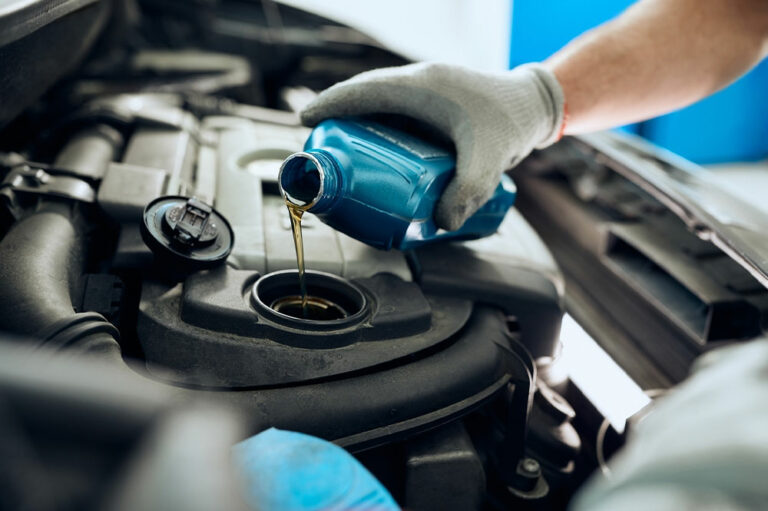
An oil change is a crucial auto maintenance job. While you can call an expert to change your engine oil, doing it yourself will save you money and help you understand how your automobile works. The procedure is pretty straightforward, but it’s best to be cautious and learn what it takes to perform an oil change successfully. Before listing the common oil change mistakes, let’s understand why changing car oil is essential. Why are car oil changes necessary? Engine oil circulates through the engine to keep its components lubricated. This lubrication helps the parts move smoothly and reduce friction as the car runs. Without oil, the higher friction between the engine’s components would quickly reduce mileage and performance, affecting the life of the automobile. However, the oil’s ability to reduce heat and friction reduces with time. It usually becomes darker in color and thicker, indicating it’s time for an oil change. Common mistakes when replacing car oil Here are a few mistakes to avoid if you’re changing your car’s engine oil by yourself without assistance from oil change services: Not using a drain pan A drain pan is a container into which used engine oil is drained. It helps avoid messy spills on your garage floor and allows you to transport the oil to recycling centers.
Read More
Top 6 Safest SUVs to Buy in 2023

Top 6 Safest SUVs to Buy in 2023

Sport utility vehicles (SUVs) are known for their muscular build and powerful performance. However, safety is of utmost significance in an automobile, and SUVs prioritize this feature to ensure occupants stay protected. The advanced safety technology in SUVs makes them the most impressive vehicles on the market today. So, if you are looking for a sturdy and safe family car, here are some of the safest SUVs of 2023 you can consider buying: Jeep Grand Cherokee The Jeep Grand Cherokee is considered one of the best SUVs due to its balanced handling and ride and the amalgamation of many advanced features. Its revamped model offers many new conveniences and functionalities like heated seats and steering wheel, wireless charging, traction control, a security alarm, a 360-degree camera, and a dual-zone automatic climate control system. The SUV also features an advanced infotainment system with two wide touch screens and an AM/FM radio. The Grand Cherokee is quite well-known for its stellar off-roading capability. Additionally, you also get a variety of driver assistance features like a rearview camera, rear parking sensors, lane-keep assist, lane departure warning, and blind spot monitoring for a safer driving experience. Other advanced features include night-vision assist, park assist, and traffic sign recognition.
Read More
Top 8 mistakes to avoid when buying a pickup truck

Top 8 mistakes to avoid when buying a pickup truck

Investing in a new pickup truck is a huge and costly decision that requires thorough research and planning, right down from choosing the correct model, brand, and size to knowing about one’s financing options. It is very easy to make mistakes and overlook certain things, making one regret their purchase decision. Here are a few mistakes one needs to avoid when selecting and signing the ownership agreement for a new pickup truck. 1. Failing to consider cabin size Choosing a pickup truck with the wrong cabin size is a major mistake, as it does not serve the purpose. For instance, a small cabin might not be able to seat enough people, or a cabin with too much room can cause someone to tumble or skid sideways at a sharp turn. Multiple pickup truck options are available, including regular cabins, crew cabins, and extended cabin sizes. Depending on their needs, drivers can select if they want a proper, spacious seating option for two people or four people. The thumb rule is to consider the number of passengers frequently traveling in this pickup truck. Of course, selecting a pickup with a smaller cab can help save money, but saving some dollars is not the only goal, especially if it can lead to purchasing another pickup truck because of the wrong selection.
Read More

Trending Articles

6 popular and reliable pickup trucks to purchase

6 popular and reliable pickup trucks to purchase

If one frequently takes a weekend trip to a lake, a road trip through multiple states, or hauls loads for work or passion projects, it is advisable to consider buying a pickup truck. However, the vast pool of automobile brands and models could make it challenging to find the ideal pickup truck. If one cannot figure out which option to go with, here are six top pickup trucks that might be the right fit. Ford F-150 The Ford F-150 is a long-standing and successful competitor where pickup trucks are concerned. The vehicle starts at about $38,000 and is the ideal combination for a modern buyer interested in a feature-rich workhorse. The pickup truck comes with several engine options. The base model features a 325 hp turbocharged 2.7-liter V6, while customers could also pick the 400 hp hybrid powertrain that includes a twin-turbo 3.5-liter V-6 and an electric motor. All engines come with a 10-speed automatic transmission. As for its ability to haul loads, the Ford F-150 has a maximum towing capacity of about 13,000 pounds, with a payload capacity of about 2400 pounds. Chevrolet Silverado 1500 Chevrolet makes some of the best vehicles in the industry, and the Silverado 1500 is one of its crown jewels.
Read More
10 common mistakes to avoid while purchasing an SUV

10 common mistakes to avoid while purchasing an SUV

For automobile enthusiasts, there’s nothing comparable to buying an SUV that perfectly balances speed, space, comfort, and power in a vehicle. This is the main reason why SUVs have emerged big time in the automotive industry, offering different sizes and trims to suit personal preferences. However, buying an SUV is a significant investment, so avoiding mistakes becomes crucial. To help make an informed decision, here are some common mistakes to avoid while purchasing an SUV. Only going by the design There are many SUVs with unique designs currently on the market. But going only by an SUV’s design is a mistake because a spectacular SUV with limited utility features is a white elephant. Therefore, one should consider the overall features of the vehicle, including factors like its performance, cargo space, price, safety, etc., before making a choice. Buying a vehicle of the wrong size An SUV’s size determines the number of passengers and the amount of cargo it can accommodate. While only four to five passengers may fit comfortably into a compact SUV, midsize ones can accommodate up to seven passengers, and the large ones have space for even more. The best way to decide what size of SUV one requires is to consider personal requirements – the number of family members, frequency of long-distance travel, etc.
Read More
10 common mistakes to avoid when buying a used car

10 common mistakes to avoid when buying a used car

Whether new or used, buying a car is a huge investment. With growing inflation, more people than ever have been opting for pre-owned cars, as it can significantly reduce ownership and insurance costs. However, these can come with their issues, such as wear and tear or negligent maintenance. Check out these ten common mistakes people make when buying a used car and easy ways to avoid them for a better experience. Skipping the test drive Many buyers do not take the car out for a test drive before they buy it. While one may do this as a vote of confidence or faith in the dealer, it could lead to potentially expensive repairs in the future. Before buying a used car, it is always a good idea to test drive a few. If possible, work out a deal for a longer test drive, say 30-40 miles, where the car can be tested in different traffic and road conditions. This will help one build a clearer understanding of what the car’s ownership and performance would look like. Leaving financing to the last minute Before heading out to buy a used car, one needs to figure out how they plan on paying for it.
Read More
  • About Us
  • Contact Us
  • Privacy Policy
  • Advertiser Information
  • Terms of Service

© 2026 TheAutoPro.net. All Rights Reserved.

e