Different types of cars explained
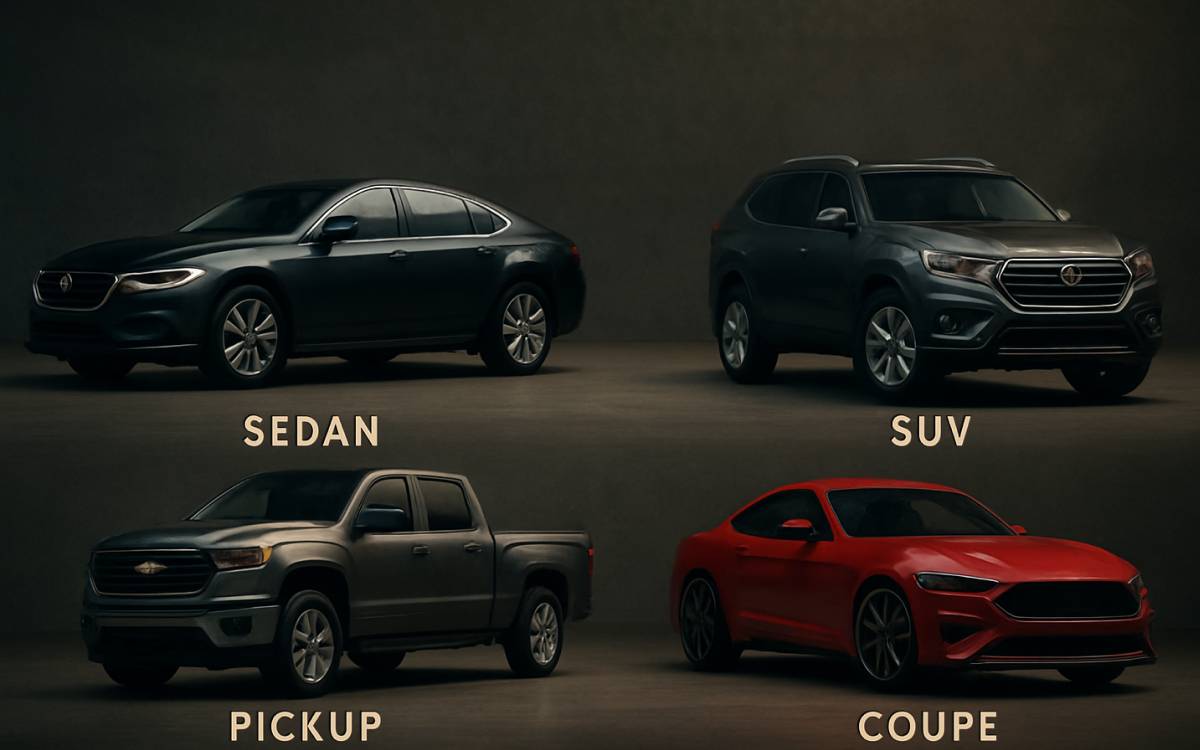
When buying a car, the first thing one needs to decide is which type is suitable. Cars can be classified into numerous types based on their size, body design, seating capacity, engine performance, and other features. The sheer number of options in the market can make the car-buying process exciting and intimidating in the same measure. Knowing the different types of cars before heading to a dealership can help one make better decisions.
Hatchbacks
These cars have a compact body with a rear door that opens upward. They have a two-box design, comprising an engine bay and a combined passenger and cargo area). Hatchbacks are typically less than four meters long. Their small size and low center of gravity make maneuvering easy, especially in tight spaces.
Pros
- Fuel-efficient because of its small size and light weight
- Easy to park
- Ideal for use in high-traffic urban settings
- Affordable pricing
Cons
- Limited trunk capacity
- Limited legroom, especially for rear passengers
Examples
Honda Civic, Mazda Mazda3, Volkswagen Golf GTI
Sedans
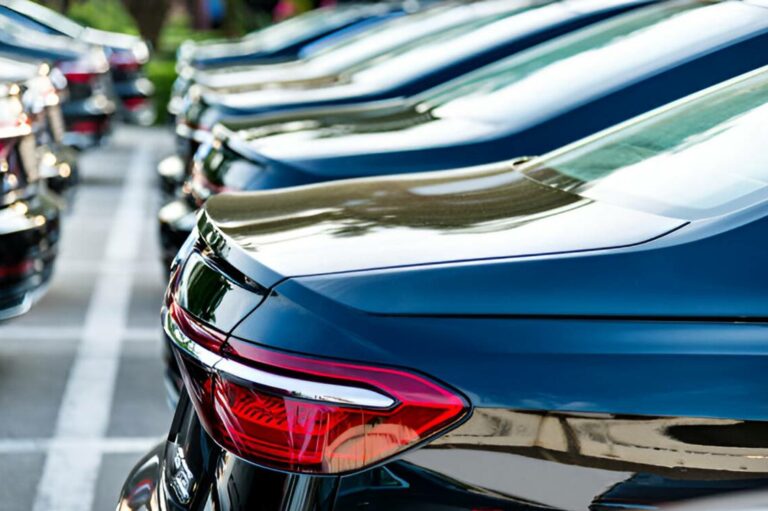
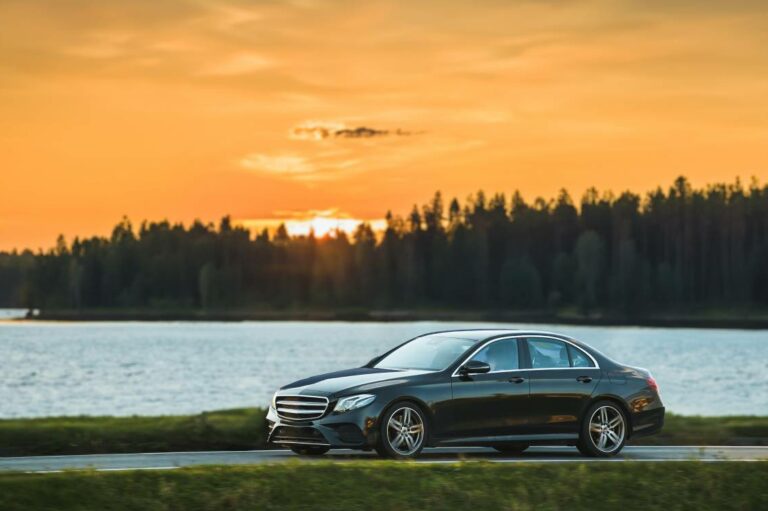
These cars have a three-box design, comprising an engine bay, a cabin, and an extended trunk). They are longer than hatchbacks and offer more legroom. Sedans generally prioritize ride quality, balanced performance, stability, and sound insulation over rapid acceleration.
Pros
- Comfortable ride
- Refined interiors
- Better passenger safety compared to hatchbacks
- More trunk space than hatchbacks
Cons
- Less-adaptable cargo area
- Difficult to park and maneuver due to an elongated body
Examples
Toyota Camry, Honda Accord, Nissan Sentra
SUVs
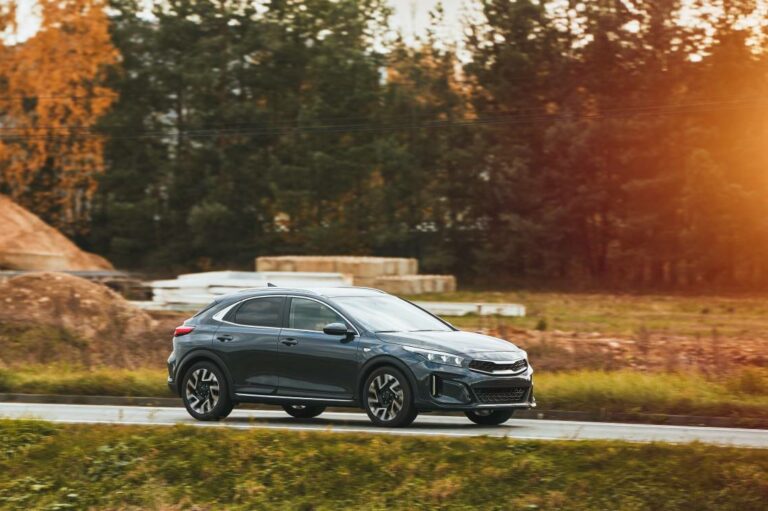
Sports utility vehicles (SUVs) are large cars that can seat five or more passengers. They have a higher ground clearance, a commanding driving position, and two to three spacious rows of seats with sufficient legroom, shoulder room, and headroom. There are many subcategories within the SUV classification, including compact SUVs, full-sized SUVs, and sports activity vehicles. Compared to sedans and hatchbacks, SUVs are more rugged.
Pros
- Ample passenger and cargo space
- Better external visibility for passengers than in sedans and hatchbacks
- Useful for driving on rough terrain
- Versatile cargo configuration
- More purchase options given the different SUVs subcategories
Cons
- Lower fuel economy than hatchbacks and sedans
- Higher purchase prices
- Difficult to park and maneuver in tight corners due to a larger body
Examples
Toyota RAV4, Honda CR-V, and Chevrolet Equinox
Station wagons
These vehicles are a cross between sedans, SUVs, and hatchbacks. Their roof tapers toward the back to include the trunk within the cabin area. Station wagons combine sedan-like stability with the space, comfort, and daily practicality of SUVs. Unlike SUVs, they are not bulky, making them better suited to urban driving.
Pros
- Large cargo area
- Lower ride height than SUVs for easier handling
- Better fuel efficiency than SUVs
Cons
- Not as aesthetically pleasing as sedans
- Fewer options than hatchbacks, sedans, and SUVs
Examples
Volvo V60, Audi A4 Allroad, Subaru Outback
Sports cars
Sports cars are the most expensive of all the types of vehicles on this list. They are built for high performance, better acceleration, and precise ride and handling. Sports cars are available as hatchbacks, sedans, coupes, SUVs, and in other body types. They come with powerful engines, bold styles, and loads of features and safety equipment.
Pros
- Exciting driving experience
- Powerful acceleration
- Distinctive design
- Sharp handling
Cons
- Expensive to buy, maintain, and insure
- Limited boot space and practicality
- Lower fuel economy
Examples
Porsche 911, Chevrolet Corvette, Ford Mustang
Convertibles
These cars come with a retractable or removable roof, which allows one to enjoy the open air. Convertibles are usually associated with leisure driving. They also have a strong road presence.
Pros
- Stylish
- Fun to drive
- Powerful engines
Cons
- Higher cost
- Reduced trunk space
- Increased road noise in the cabin
- Less practical in rainy or snowy conditions
- Less fuel efficient than sedans, hatchbacks, or SUVs
Examples
Mazda MX-5 Miata, Ford Mustang Convertible, BMW Z4
Besides these car body types, one may find minivans, coupes, roadsters, and limousines.