Key factors to consider when choosing a car cover
Buyers looking to purchase car covers have several options to consider. Outdoor car covers can be classified by size, material, and compatibility with different vehicle models. Before making a purchase, buyers need to assess their vehicle’s protection needs and other practical aspects of vehicle ownership. Certain key factors, such as material quality, size, fit, and durability, should be taken into account to ensure these investments offer good value for money.
Size and fit
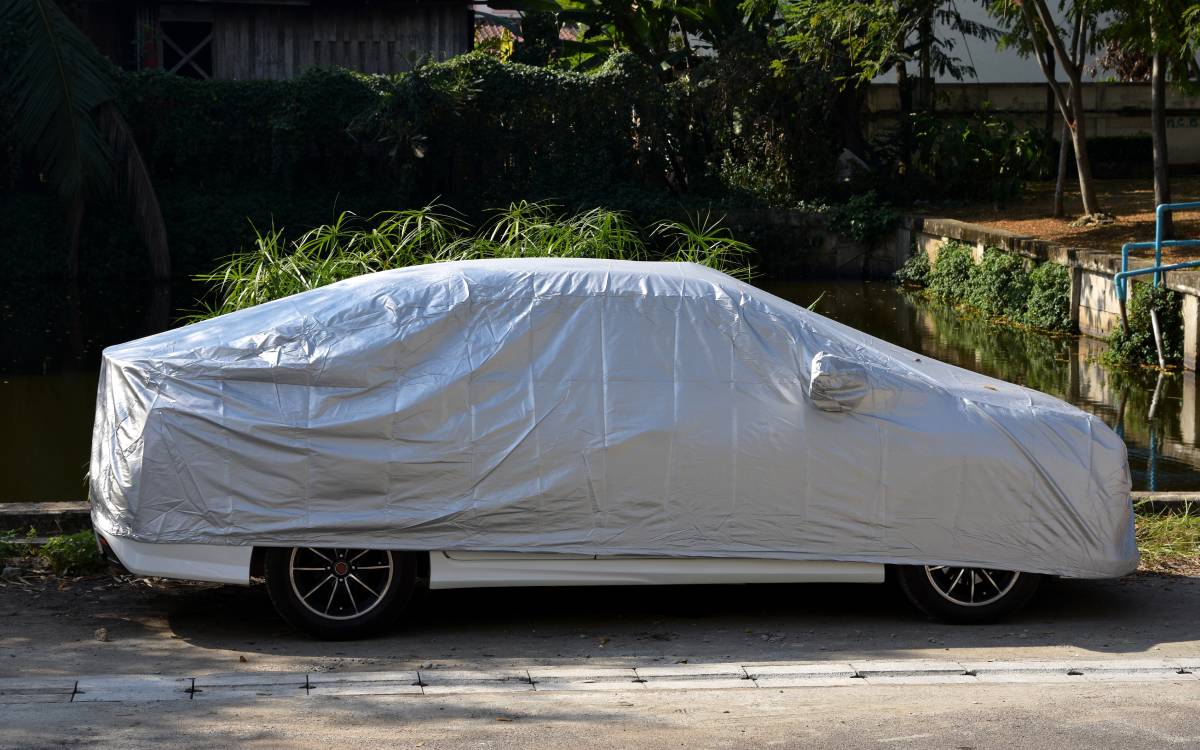
Arguably, the primary consideration when choosing custom vehicle covers is whether they fit the buyer’s vehicle. A cover needs to match the exact dimensions of the vehicle rather than just hang loosely over it. Fitted covers do not flap in the wind. This ensures that the surface stays protected from scratches and dust. Large covers may catch the wind and shift continuously, and cause the fabric to rub against the vehicle’s paintwork. On the other hand, small covers may leave parts of the vehicle exposed to external damage.
To ensure the chosen car cover provides the best protection, check the manufacturer’s measurements and select an option specifically designed for one’s vehicle.
Material quality and weather resistance ability
Choosing the right material for the car cover is an important decision. Durable fabrics, such as heavy-duty polyester and nylon, provide protection against pedestrians and other vehicles. On the other hand, softer fabrics like cotton or fleece are gentler on the car’s paintwork (but are suited better for indoor use). High-quality material withstands UV exposure, provides long-term durability, and resists tears over a period of time.
A car cover needs to be chosen based on the weather and climate of a particular location (where it is generally driven and parked). Water-resistant or waterproof car covers are needed in areas with heavy rainfall and humidity. In such scenarios, the cover protects the car from rust and mold formation. UV-resistant covers protect paint and interiors from sun damage in areas with higher temperatures. Thicker covers help protect a car’s paint and mechanical components in dusty areas.
Material breathability
Apart from purchasing covers that suit the environmental aspects of an area, car owners also need to consider breathability. Breathable fabrics prevent condensation and moisture buildup. Those lead to corrosion beneath the vehicle’s cover. Covers made from such fabrics offer better air circulation, helping prevent the car’s exterior polish and paint from potential damage.
Essentially, being aware of the local weather conditions and matching them to the cover’s protective abilities can help make informed decisions.
Additional features to improve usability
Most products in any competitive, consumer-driven market do the basics properly. They are made of high-quality materials, fit snugly in a car, and protect against external elements. The truly outstanding products are those that offer added features and more ways of being useful to owners.
Beyond basic coverage, some car covers offer features such as reinforced seams, built-in tie-down straps, and storage bags. Reinforced seams prevent the covers from tearing apart in harsh conditions, while straps help secure the cover during strong winds. Additionally, a compact storage bag makes it easier to pack and store the cover when it is not in use. Some advanced designs even come with zipper access points, which allow quick reach to the vehicle without fully removing the cover.
Ease of storage and installation
These factors are frequently overlooked when customers purchase car covers; they often regret their purchases after spending money on them. When selecting a car cover, one must consider how easy it is to install and remove. Covers with elastic hems or tie-down straps secure better and are also easier to remove from the vehicle. Also, one must look for covers that fold compactly and include a carrying bag for storage. Easy handling matters if users plan to use the cover frequently, and compact storage helps extend the cover’s lifespan by keeping it clean and protected when not in use.