Key things to consider before switching from automatic to manual driving
A car’s transmission system transfers power from the engine to the wheels, thereby managing the speed and acceleration. Most drivers prefer using automatic transmissions for their ease of use. But some choose manual transmission for a more hands-on driving experience or because certain models do not offer an automatic option. Before switching from automatic to manual driving, understand the difference between the two systems, how they operate, and what to expect during the transition.
Automatic vs manual
The similarity between automatic and manual transmissions is that both move power from the engine to the wheels. But a significant difference is in the gear change. In a car with an automatic transmission, the gears change automatically, allowing the driver to focus mainly on using the gas and brake pedals. The car decides when to shift up or down based on the speed and load.
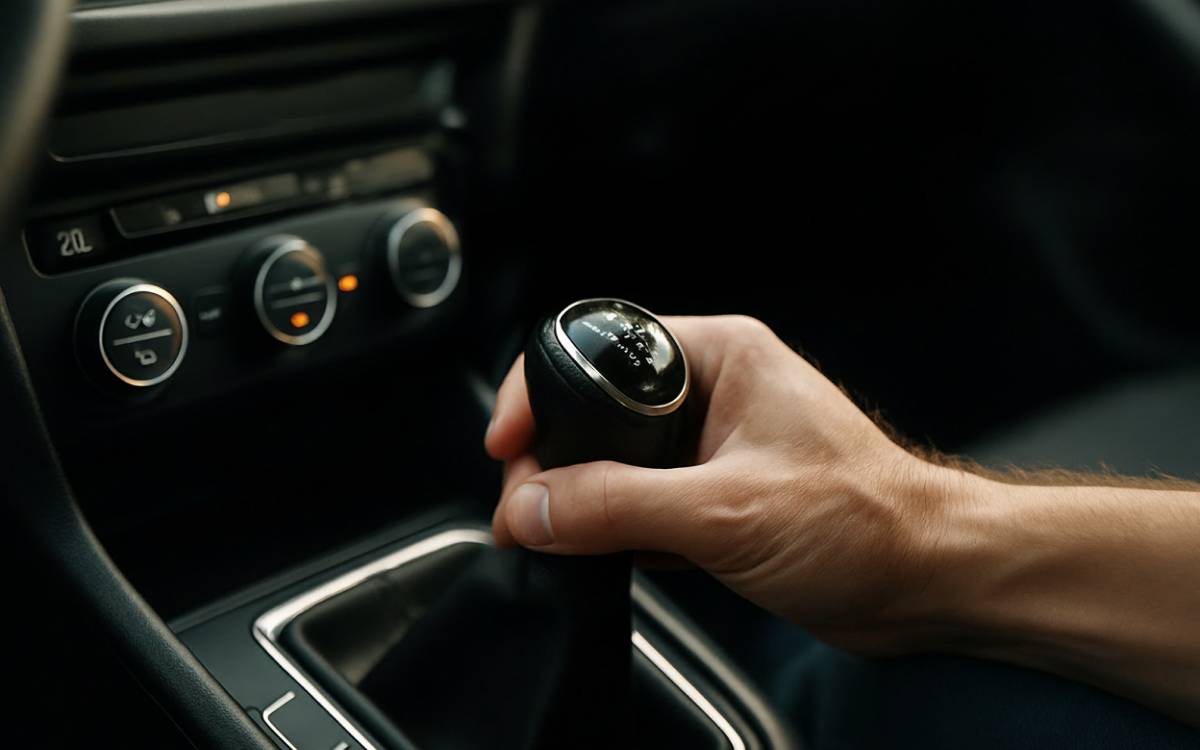
On the other hand, in a manual car, the driver is required to actively change gears by pressing the clutch pedal and moving the gear stick. This means the driver has to pay attention to the sound of the engine and the speed of the car to determine the right moment to shift.
Since most cars are equipped with automatic transmissions, driving a manual can feel like learning a new skill.
How a manual transmission work
In a vehicle with a manual transmission, the engine generates power and sends it through a series of key parts before it reaches the wheels. The main parts of this system include the engine, the clutch pedal and clutch, the gears inside the transmission, and finally, the wheels.
The clutch acts as an on–off connection between the engine and the rest of the system. When the clutch pedal is pressed, the engine is temporarily disconnected from the transmission. This allows the driver to select a new gear without grinding the wheels. Once the pedal is gradually released, the power flows back through the system again, and the car moves in the selected gear.
Inside the transmission system, there are multiple gears, each designed for different speeds and conditions, like starting in first gear and cruising into higher gears. Most modern manual cars also utilize small devices called synchronizers to help the gears rotate at similar speeds, resulting in smoother and less jerky shifts. While it is not necessary to know about the internal components of a manual transmission car, a driver must learn to time their gear shifts, make smooth pedal movements, and become accustomed to the car’s response.
Pros and cons of manual transmission
Pros
Greater driver control
The driver can decide exactly when to shift gears and how the engine responds at different speeds.
Engaging driving experience
Everyday driving becomes more interactive as drivers can feel the change in speeds and stay attuned to road conditions.
Direct mechanical connection
In some manual cars, there is a more straightforward link between the engine and wheels, providing a great driving experience.
Cons
Extra effort in traffic
There are frequent clutch presses and gear shifts in slow moving traffic inside city roads, making the commute feel more tiring than in an automatic.
Learning curve for new drivers
Manual transmission cars need coordination between the clutch pedal, gas pedal, and gear stick. So, new manual drivers need practice to time shifts smoothly and avoid stalling.
Limited new car options
There are very few brand-new manual transmission models, especially for sedans, trucks, and SUVs.
Tips for switching from automatic to manual
Pick the right practice spot
It helps to start practicing in a quiet and open area like an empty parking lot or low-traffic side street to keep the pressure low and focus on learning the basics.
Take it step by step
Drivers must develop skills gradually, with patience, focusing on one task at a time instead of trying to master shifting, clutching, and accelerating all at once.
Find the clutch bite point
This can be done by slowly releasing the clutch while adding light gas. The car will start to move forward smoothly without jerking.
Master starts and stops first
It helps to practice smooth starts and stops in first gear until consistent. Once a driver feels comfortable with this, they can move to simple upshifts into second and third gears.
Handle hills later
The parking brake can hold a vehicle on an incline while gradually releasing it as the clutch engages. This helps build confidence without rolling back.