Key things to consider when choosing a new car seat cover
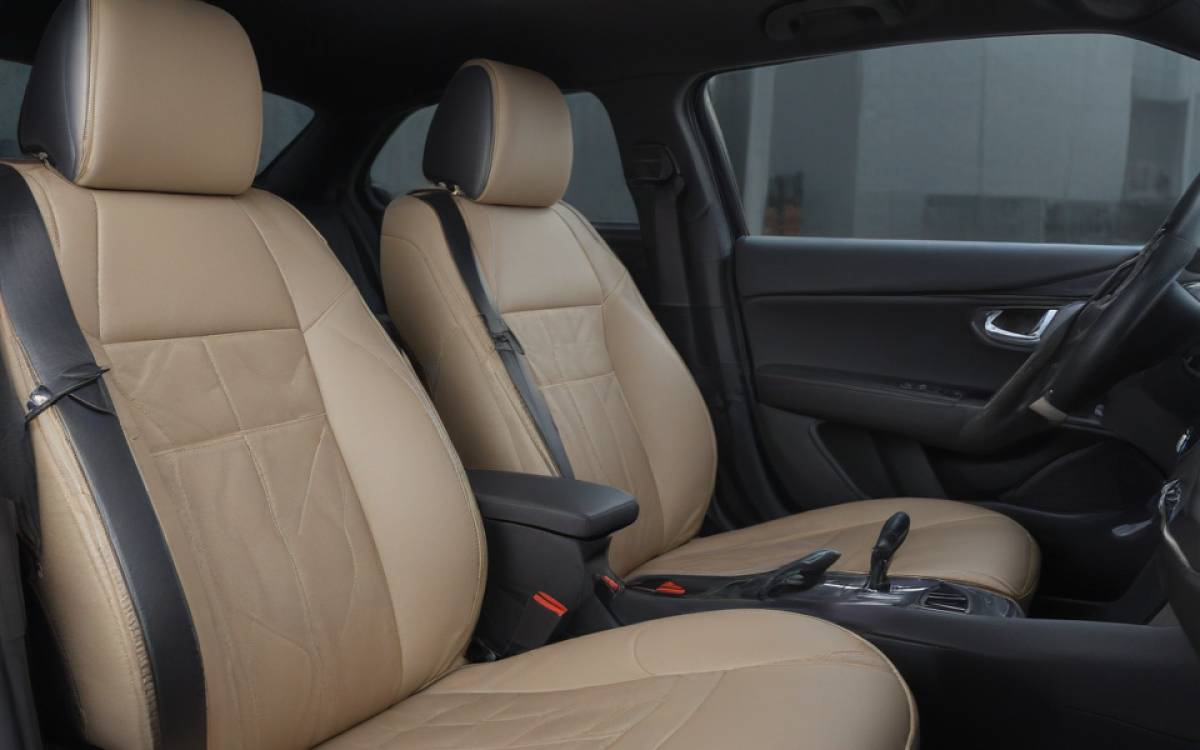
Many car owners treat their vehicles as an extension of their personal identity, carefully choosing customizations to make the cars uniquely theirs. Car seat covers are essential accessories that protect the vehicle’s upholstery while transforming the interior with a premium aesthetic. The right cover protects the car’s components from coffee spills, food, and mud. Carefully selecting quality seat covers by evaluating multiple factors maximizes comfort and resale value while allowing for personal style and protection.
Things to consider when choosing new car seat covers
Comfort
Comfort is the first thing to consider when buying new seat coverings. Pick fabrics that are soft and feel cushioning against the skin. Some fabrics are ideal for longer drives, as long as they do not compromise the car’s back support.
Style
Pick a seat cover style that matches the car’s interior and reflects the owner’s personality. Stylish covers make a vehicle’s interior feel fresh and, in some cases, more luxurious.
Budget
When setting a budget, car owners should prioritize their needs. Think carefully when selecting the fabric. Sometimes, spending more up front can result in long-term savings. However, it is important to check for packages or discounts that can offer better value for the product.
Cleanup
Ease of cleaning is another factor that buyers should consider, as seat covers are bound to get dirty. Pick fabrics or materials that can withstand spills, stains, and daily wear and tear. A machine-washable fabric would be a better choice if available. Fabrics that are easier to put on and remove are easier to deal with, as they eliminate the need to clean the car seat covers regularly.
Steps to change car seat covers
Choose the right covers
The material chosen for the car seat cover can make a significant difference. Car seat covers are available in 3 primary options, which are universal, custom, and semi-custom. Universal fit is lighter on the pocket, but does not give the same look and feel as the other two. If the budget permits, one should opt for a custom fit in a material of their choosing. Common options include leather, leatherette, fabric, and neoprene.
Clean the seats
Before starting with the installation, make sure to clean the car seats thoroughly. Clean the seat thoroughly by vacuuming, washing, and wiping it down with a dry cloth, then allow it to air dry. One can also steam-clean the seats if they have the time and access to the right tools. Doing this ensures there is no dirt or grime stuck to the seat. It can prevent long-term damage from particles that could have been trapped under the new seat cover. Use a leather cleaner to remove any oil or residue from the original seats.
Start with the front
After cleaning the seats, it’s time to start with the installation. The front-row seats are easier to install and help one become familiar with the process, so it’s best to start with these. Remove the headrest before pulling on the front seat cover. Secure the cover by adjusting it to the seat contours and fastening it with hooks, clips, or straps. Once done, reinstall the headrest. Headrest covers come as separate pieces or are integrated into the seat cover with VELCRO or slot openings for easy installation.
Follow at the back
The back seat covers come next. This is a trickier part of the task. Due to the cover’s size, installers may need extra time to properly fit it around seatbelts and armrests. If possible, detach the front of the back seat to easily install the cover over the back. Once the backrest is properly covered and secured, it’s time to reattach the seat bottom. Slide the seat cover over the bottom part and secure it in place.