Top safe driving practices to know

For many people, driving is an essential part of daily life, whether it’s commuting to work, running errands, or taking family trips. Most drivers don’t think much before getting behind the wheel. But roads can be unpredictable due to changing traffic conditions, shifting weather conditions, and unexpected moves by other drivers. So, it’s beneficial to develop safer driving habits that can become second nature with minimal effort. Following driving practices tips can significantly enhance one’s safety.
Common causes of unsafe driving situations
Many road accidents often occur due to completely preventable causes. They may seem minor, but they have the potential to lead to serious consequences.
Distractions
Checking directions on a cell phone while driving can pull attention away from the road. Similarly, simple activities, such as eating behind the wheel, adjusting the radio, and taking a phone call, can create instant distractions. These avoidable tasks create an unsafe citation, as a few seconds of not looking at the road can be enough to travel the length of a football field at highway speeds.
Speed
Misjudging the right speed on the road and weather conditions can also lead to unsafe driving situations. Most highways have posted speed limits that indicate the speed under ideal conditions. But if there is rain, fog, heavy traffic, or construction, going a bit slower than the signs indicate is always better.
Fatigue
Feeling extremely tired after long hours of driving without a break can affect judgment and reaction time. Similarly, late-night trips and early afternoon drives coincide with natural sleep cycles when the body wants to rest. Driving at these times is also best avoided.
Tailgating
Following too closely to the cars ahead reduces the time available to react when traffic suddenly slows down. This is particularly dangerous at intersections, where drivers may not notice oncoming cars, increasing the likelihood of a collision.
Defensive driving techniques that work
Defensive driving involves being aware of the surroundings and staying prepared for whatever happens on the road. These techniques can help drivers spot problems early on and respond accordingly.
Scanning and awareness
Constantly observing the surroundings while driving can help catch potential hazards immediately. This involves checking mirrors every few seconds, looking in all directions at intersections before moving ahead, and watching for brake lights and turn signals.
Creating safety space
Maintaining a three-second following distance from the car ahead can provide enough reaction time when traffic stops suddenly. This safety buffer is especially necessary during heavy traffic and extreme weather, such as rain and fog.
Predictable driving behaviors
Practicing and maintaining consistent driving habits lead to better road safety. Key practices include signaling lane changes and turns at least 100 feet in advance. Also, it is important to maintain steady speeds rather than speeding up and slowing down frequently.
Anticipating others’ actions
Drivers must expect the unexpected to avoid any surprises on the road. It helps to assume that other drivers may not notice the vehicle or may ignore traffic rules. By anticipating that pedestrians can suddenly appear near crosswalks, driveways, and parking areas without warning, one can stay alert at all times.
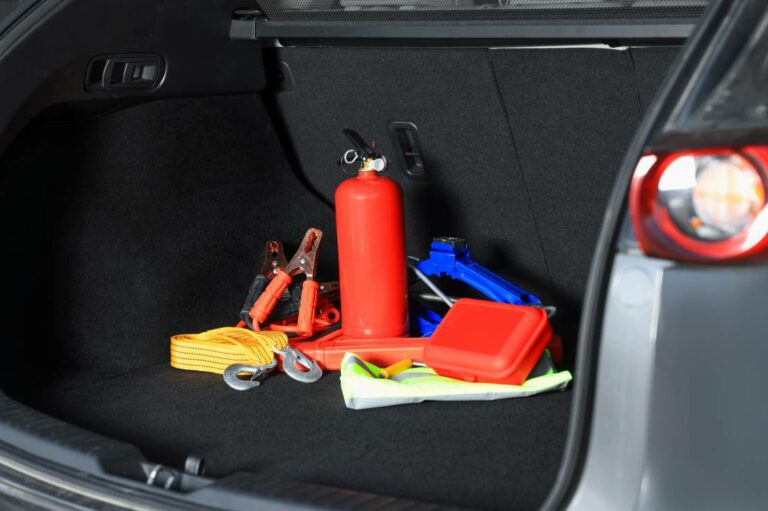
Essential vehicle safety practices
The proper use of safety features, along with regular maintenance, can keep all the systems of the vehicle working effectively.
Seat belt use
Using seat belts is the most effective way to stay safe in a vehicle. It is important to wear them for protection on every trip, whether short or long.
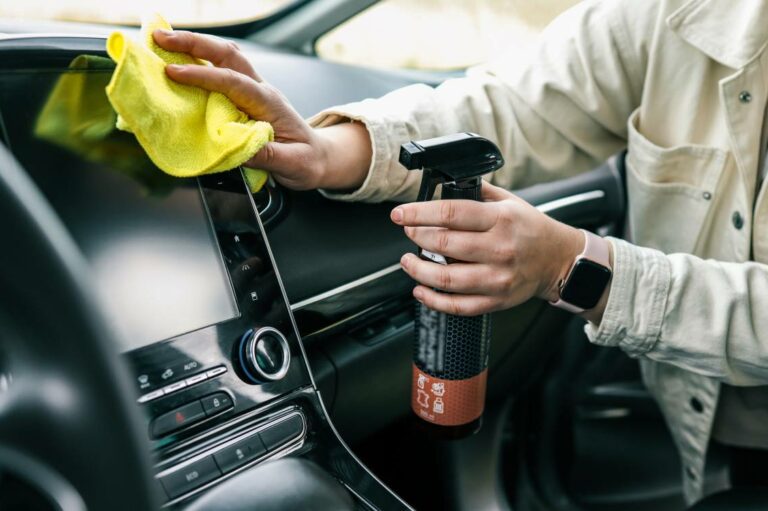
Regular maintenance checks
Vehicles require routine maintenance to ensure safety and reliability. This involves checking tire pressure and tread depth monthly. Also, testing brakes and listening for unusual sounds, along with checking the functions of the headlights, wipers, brake lights, and turn signals, can improve car efficiency and safety.
Cargo and load management
In the event of sudden stops, any loose items inside the vehicle can pose a hazard. So, it’s important to secure those objects properly. Additionally, heavy items should be stored low and toward the center of the vehicle.