Why a Pre-Departure Routine Matters
Most preventable on-water incidents share a common thread: something was overlooked before departure. A systematic pre-departure check - performed consistently, not selectively - closes the gap between a routine outing and an avoidable emergency. Unlike road travel, boating offers fewer rescue options and far less margin for mechanical failure once you are away from the dock.
This checklist is designed for recreational powerboats and outboard-rigged vessels, though the core categories apply broadly across boat types. Work through it in sequence every time you go out - familiarity breeds speed, and most skippers complete the full routine in under 30 minutes.
Bilge Blower: Non-Negotiable Before Starting
Gasoline vapors are heavier than air and accumulate in the bilge. Running the bilge blower for a minimum of four minutes before starting an inboard or sterndrive engine is a fundamental safety step - not optional. Failure to do so has been a contributing factor in numerous vessel explosions. Outboard-only vessels with open bilges carry less risk, but checking for vapor is still prudent practice.
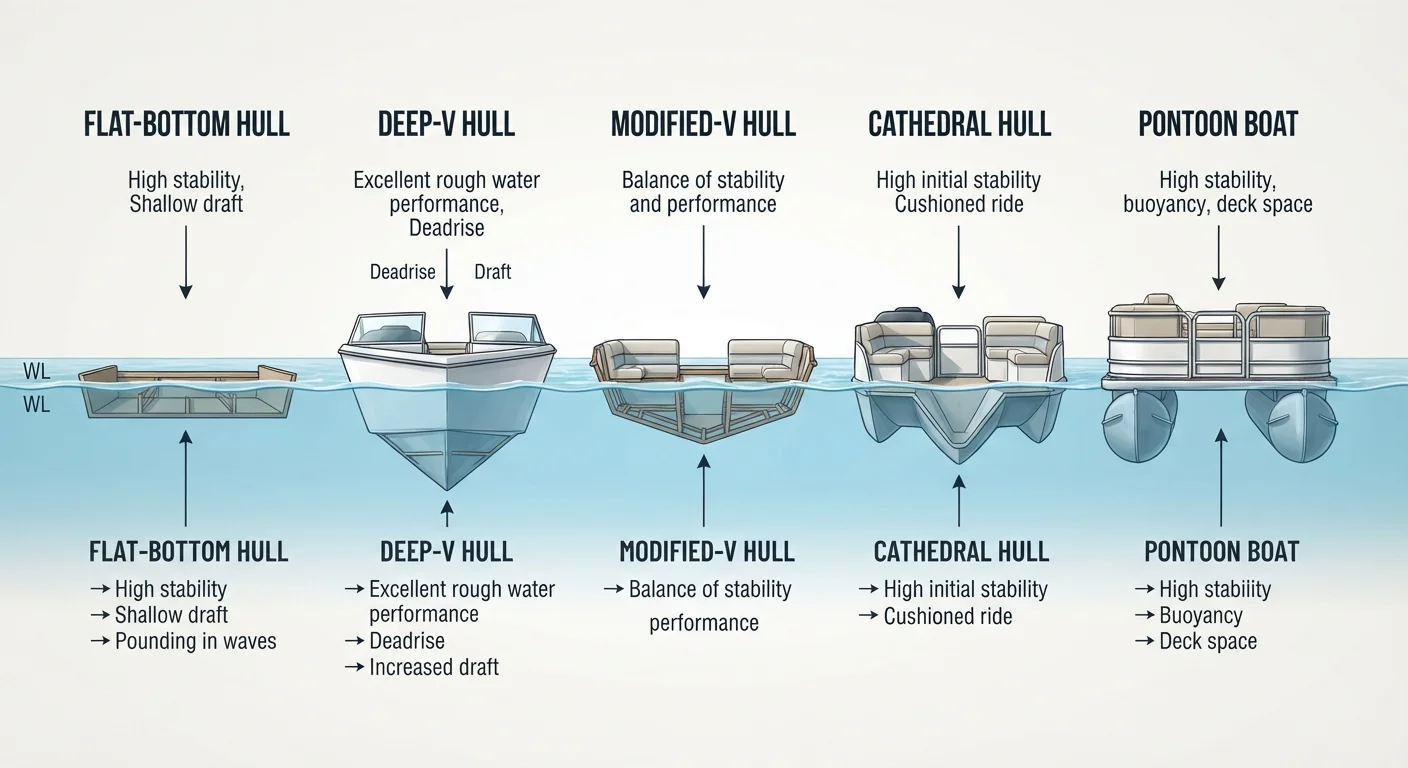
If you are new to boat ownership and still evaluating what type of vessel fits your use case, consider working through a structured evaluation process first. Our pre-purchase evaluation checklist walks through hull type, intended waterways, and mooring considerations before you commit.
Tools and Materials You Will Need
Before working through the checklist, have the following on hand or staged near the vessel.
VHF Marine Radio
Required for monitoring channel 16 (distress and hailing) and communicating with the Coast Guard or other vessels.
Bilge Pump (manual backup)
Provides manual water removal capability if the automatic bilge pump fails underway.
NOAA Weather Radio or App
Used to pull current marine area forecasts before departure and monitor conditions underway.
Float Plan Template
A standardized form left with a shore contact detailing your vessel, route, and expected return.
Multimeter or Battery Tester
Allows you to verify battery charge state and identify weak cells before departing the dock.
First Aid Kit (marine grade)
Provides treatment capability for common on-water injuries including cuts, burns, and hypothermia.
The Pre-Departure Checklist
Work through each group in order. Items marked must are federally required or represent non-negotiable safety fundamentals. Items marked should reflect best practice that significantly reduces risk. Nice-to-have items add comfort, communication capability, or situational awareness.
Safety Equipment
Fuel, Engine, and Mechanical
Navigation and Communication
Vessel Condition and Documentation
Federal Equipment Requirements Vary by Vessel Length
U.S. Coast Guard required safety equipment is tiered by vessel length and type. A 16-foot runabout and a 28-foot cabin cruiser have different legal requirements for fire extinguishers, flares, and flotation devices. Confirm that your equipment inventory matches the current requirements for your specific vessel class. Requirements are available through the U.S. Coast Guard Boating Safety Division and may also be reviewed with your state's boating agency.
Before You Start the Engine
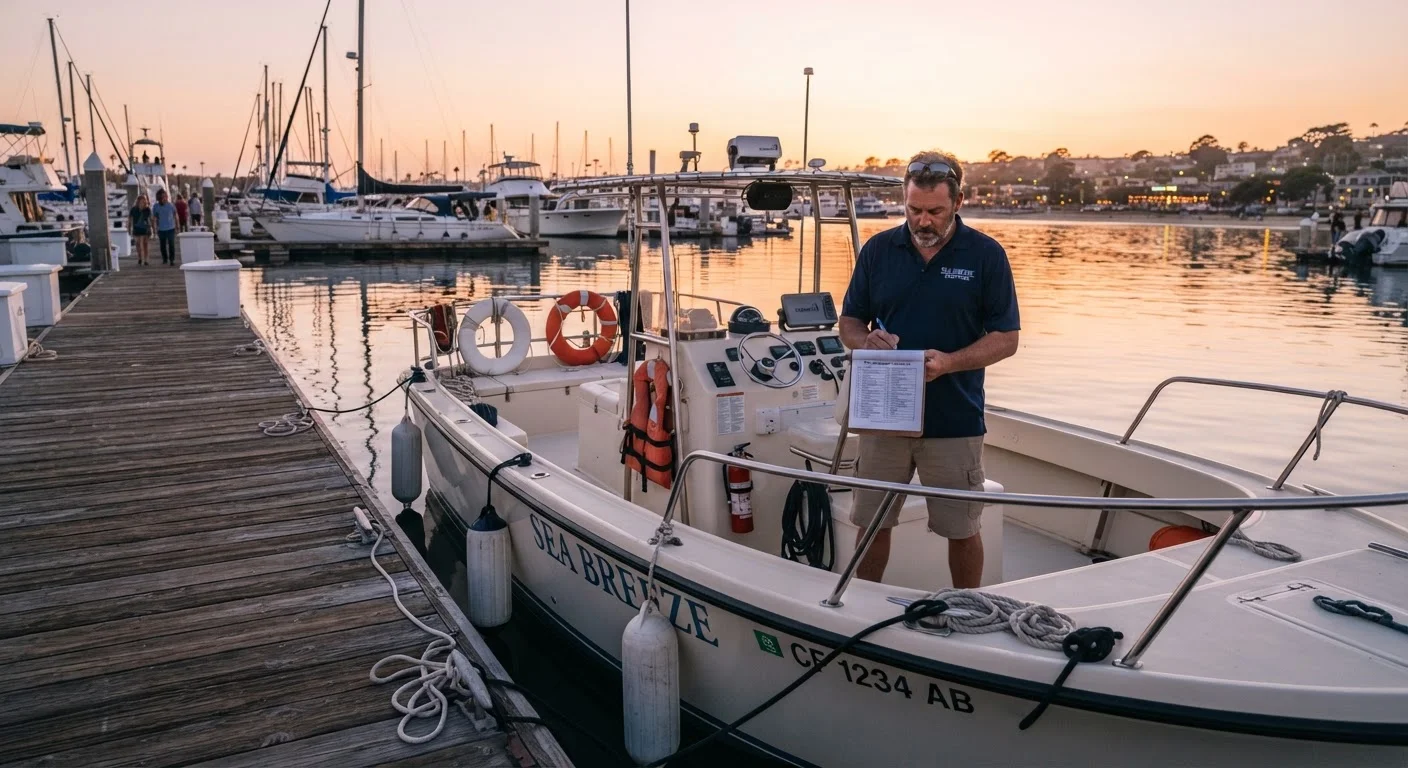
Once all checklist groups are complete, do a final walkaround of the vessel and visually confirm that dock lines are ready for release, fenders are stowed or positioned, and no gear is unsecured on deck. Brief all passengers on the location of life jackets, the fire extinguisher, the kill switch, and your float plan contact.
Pre-departure discipline is a habit that compounds over time. Boaters who develop consistent routines are measurably better prepared to respond when conditions change underway. The same principle applies across vehicle types - if you also ride motorcycles or tow trailers, the safety fundamentals transfer across disciplines even when the specifics differ.