
Why Coupe Assumptions Persist
Two-door cars occupy a peculiar place in the automotive conversation. They're simultaneously glamorized as driver's machines and dismissed as impractical for anyone with a real-world schedule. Neither extreme tells the full story. Many of the beliefs buyers carry into the showroom about coupes were formed decades ago or borrowed from a narrow slice of the market - sports cars and luxury grand tourers - and then applied universally.
The result is that buyers who might genuinely prefer a coupe's proportions, handling balance, or interior refinement talk themselves out of one based on assumptions that don't survive scrutiny. The myth-and-fact pairs below address the most persistent of those beliefs. For a deeper look at how the body styles formally differ, see what actually separates a sedan from a coupe.
Myth
All coupes are performance-oriented sports cars designed primarily for driving enthusiasts.
Fact
Many coupes share platforms, engines, and feature sets with their four-door siblings and are built primarily as style-focused daily drivers.
The coupe body style - generally defined by two doors, a fixed roof, and a sloping rear roofline - spans economy hatchbacks, luxury grand tourers, and family-oriented compacts. Manufacturers frequently offer the same powertrain in both coupe and sedan variants of a given model. Choosing the coupe over the sedan often reflects an aesthetic preference rather than a desire for a sportier driving experience. Some coupe variants don't even offer a performance-tuned trim, making the sports car association largely a matter of perception.
Myth
Coupe rear seats are essentially unusable for adult passengers.
Fact
Rear headroom and legroom in coupes varies considerably by model; some offer rear accommodations comparable to compact sedans.
Older and smaller coupes do tend to compromise rear headroom due to the sloping roofline, and ingress requires more effort without a rear door. However, larger coupe platforms - particularly those in the mid-size and near-luxury segments - are often engineered with rear passengers in mind. Measuring rear headroom and legroom on the specific models under consideration, rather than relying on category assumptions, gives a far more accurate picture. Seat shape, door opening angle, and the presence of a folding rear seatback also affect usability in ways that specs alone don't capture.
Myth
Coupes always cost significantly more to insure than equivalent sedans.
Fact
Insurance premiums depend on a vehicle's actual loss history, repair costs, and safety ratings - not its door count.
A coupe and sedan sharing the same platform, engine, and safety equipment will often carry very similar insurance rates. Where coupes do attract higher premiums, it's typically because the specific model or trim is associated with higher-risk driving patterns or carries a higher replacement cost - not because of the body style itself. A practical coupe with strong safety ratings and modest horsepower can cost less to insure than a performance-oriented four-door sedan. Verifying quotes for the exact model and trim you're considering is the only reliable way to compare.
Myth
Coupes have worse fuel economy than sedans because they're built for performance.
Fact
Fuel economy is determined by powertrain, weight, and aerodynamics - coupes built on the same platform as a sedan typically return comparable figures.
When a coupe and sedan share an engine and transmission, EPA fuel economy estimates for city and highway driving are often identical or differ by only one or two miles per gallon. In some cases, a coupe's slightly lower curb weight and more aerodynamic profile can produce a marginal efficiency advantage. Where a coupe does return lower fuel economy, it's almost always because the buyer selected a higher-output engine option - a choice available in many sedans as well. The door count is not the variable driving fuel consumption.
Myth
Coupes have significantly less cargo space than sedans.
Fact
Trunk volume in coupes often matches or comes close to the equivalent sedan, and some feature a pass-through or folding rear seat that increases usable cargo space.
Because cargo area geometry is determined more by the vehicle's overall length and rear deck design than by the number of doors, many coupes offer trunk volumes within a cubic foot or two of the comparable sedan. In certain coupe configurations, a longer rear deck - a common styling feature - actually creates a deeper trunk. Comparing EPA-reported cargo volumes between specific coupe and sedan variants of the same model will typically reveal smaller differences than buyers expect.
What These Corrections Mean for Your Decision
Debunking these myths doesn't mean every coupe is the right fit for every driver. Rear-door access genuinely matters for households that frequently load child seats or transport older passengers. If those are real daily requirements, the four-door versus two-door trade-off is worth examining carefully before committing.
What the corrections do mean is that dismissing coupes wholesale - as too sporty, too cramped, or too expensive to run - leaves a meaningful segment of the market unconsidered without good reason. Cargo capacity, insurance costs, and fuel economy all deserve a direct comparison against the specific models you're evaluating rather than a blanket assumption based on door count.
~1-2 cu ft
Typical trunk volume difference vs. equivalent sedan
Platform-matched coupes and sedans frequently differ by less than two cubic feet of trunk space according to manufacturer-reported cargo figures.
2
Doors - the only guaranteed difference from a sedan
Beyond door count, coupe and sedan variants of the same model often share identical powertrains, safety systems, and feature sets.
Buyers drawn to performance variants should also be aware that a coupe badge doesn't guarantee track-ready hardware. First-time performance car buyers frequently overweight spec-sheet figures and underweight real-world dynamics - a caution that applies equally here. Approach any coupe purchase with the same structured evaluation you'd give any other body style: prioritize your actual use case, verify the numbers independently, and test-drive in conditions that reflect your typical driving.
Don't Rely on Category Labels Alone
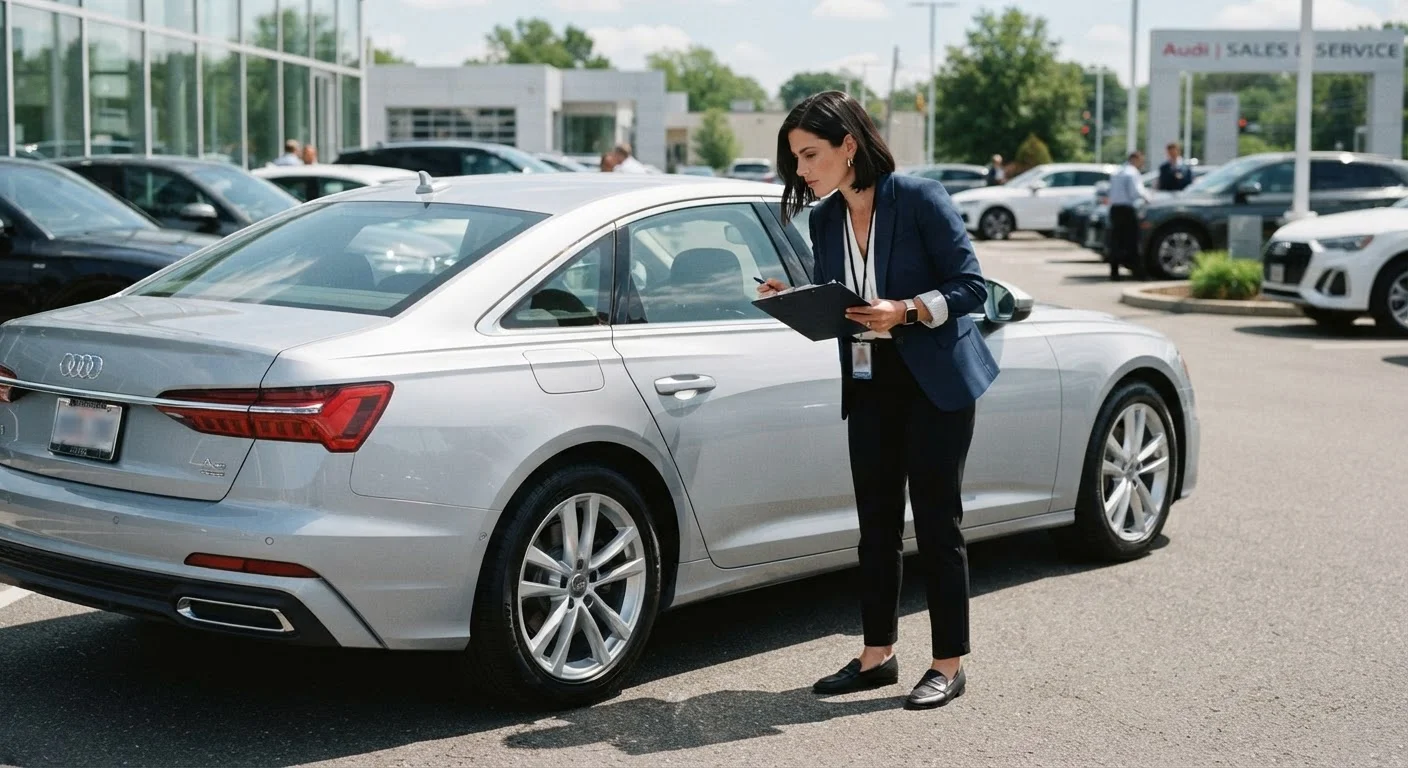
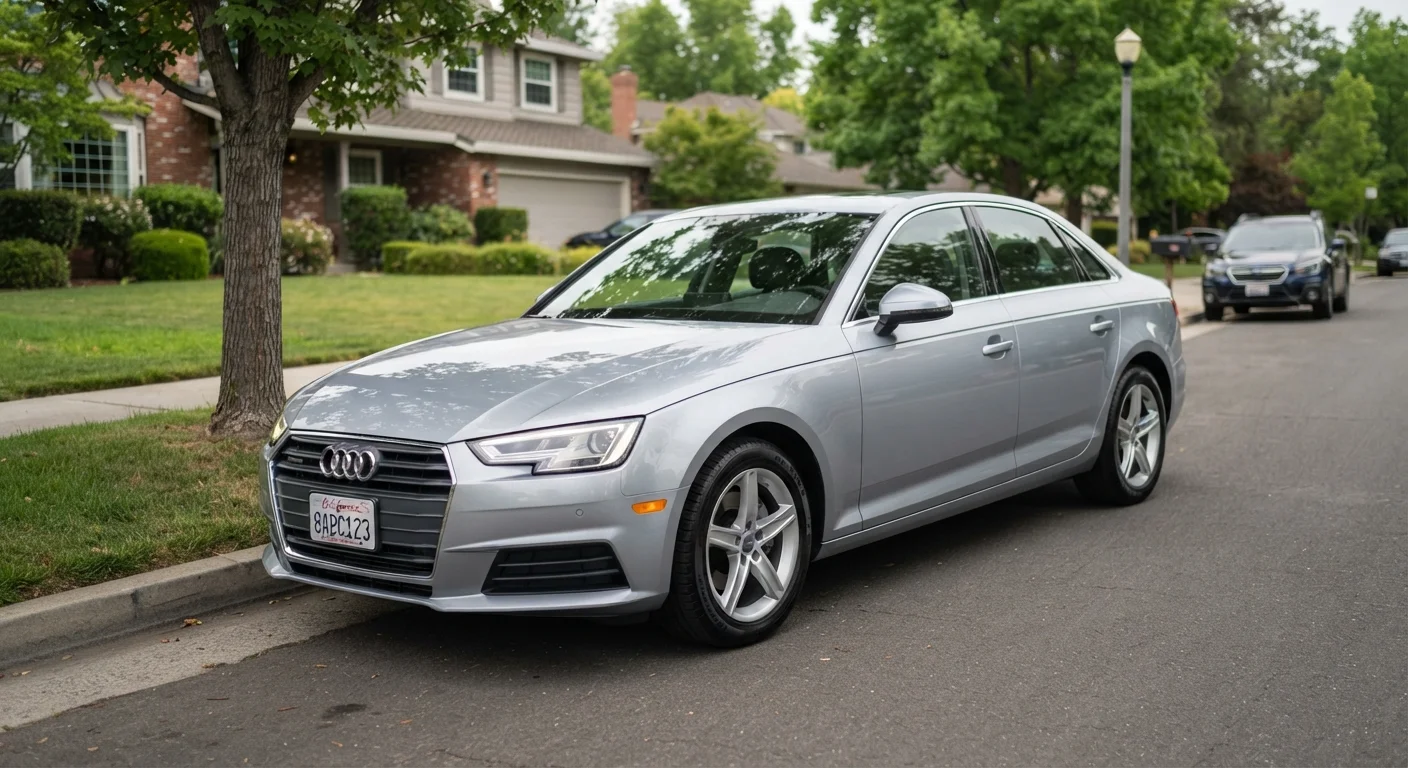
Manufacturer naming conventions for 'coupe' and 'sedan' are not always consistent - some four-door vehicles are marketed as coupes based on roofline styling. Always verify door count, roofline design, and rear seat dimensions on the specific model you're evaluating. Reading the window sticker and sitting in the car before purchase remains the most reliable approach.