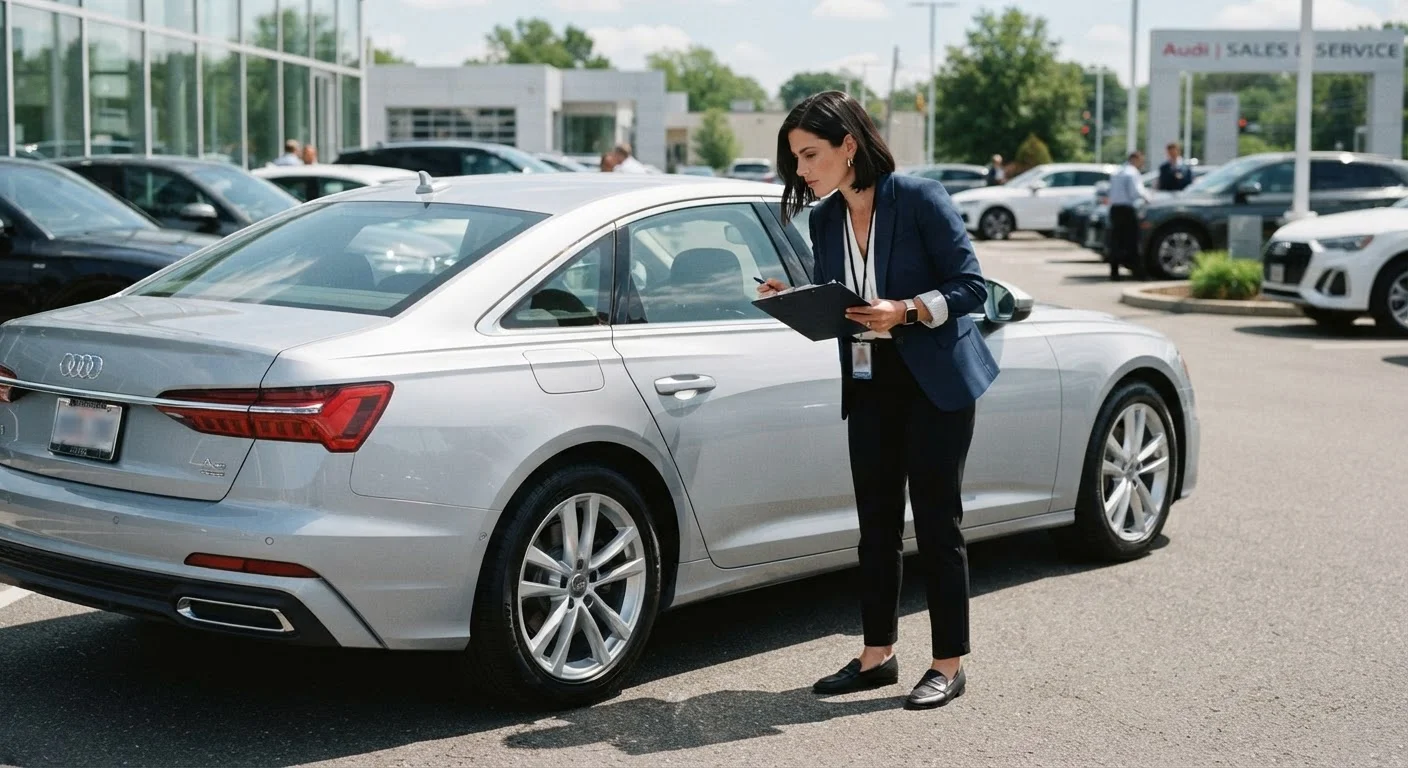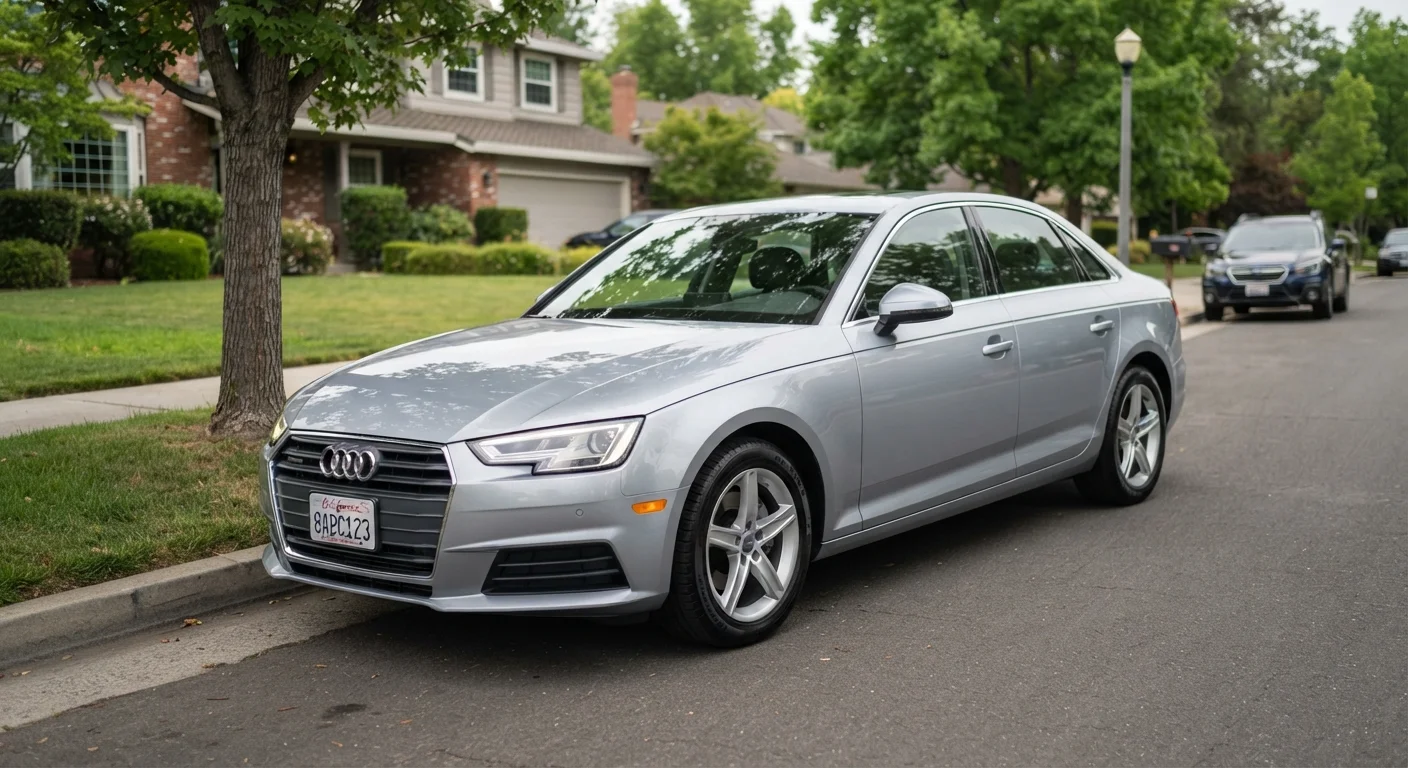

How the Three Sedan Classes Are Defined
The U.S. automotive industry uses interior volume - specifically EPA passenger and cargo volume combined - to classify sedans. Compact sedans generally fall below 110 cubic feet of combined interior volume, mid-size models occupy roughly 110-120 cubic feet, and full-size sedans exceed 120 cubic feet. These aren't rigid cutoffs, and manufacturers sometimes blur the lines, but the EPA framework provides a consistent baseline for comparison.
What the numbers don't capture is how those dimensions translate to real-world experience. A two-inch difference in rear legroom, for instance, has an outsized effect on long-trip comfort for taller passengers. Reading a sedan's interior dimensions correctly means looking beyond the cubic-foot total to individual measurements like rear knee clearance and front headroom. Size class is a useful starting filter, but it's the specific figures that determine daily livability.
| Compact Sedan | Mid-Size Sedan | Full-Size Sedan | |
|---|---|---|---|
| Typical overall length | 177-183 inches | 187-193 inches | 197-205 inches |
| Rear legroom (approx.) | 34-37 inches | 38-40 inches | 40-45 inches |
| Trunk volume (approx.) | 13-15 cu ft | 15-16 cu ft | 16-18 cu ft |
| Urban maneuverability | Excellent | Good | Challenging |
| Fuel efficiency (relative) | Highest | Moderate | Lower |
| Highway comfort | Adequate | Good | Excellent |
| Typical ownership cost | Lowest in class | Mid-range | Highest in class |
Compact Sedans: The Case for Going Smaller
Compact sedans - think of vehicles in the 177-183 inch overall length range - excel where density is highest. Parallel parking in a tight urban block, navigating multi-story garages with low clearance, and fitting into spaces that would challenge a larger car are genuine competitive advantages. Fuel economy tends to be stronger in this class, partly because smaller engines are sufficient to move the lighter body.
The trade-off is passenger packaging. Rear-seat legroom in most compacts is noticeably tighter than what mid-size and full-size models offer, which matters most for adults on trips longer than 30 minutes. Trunk volume is also reduced, though many compact sedans still carry more cargo than entry-level crossovers. Drivers who commute solo most of the time and use their vehicle infrequently for group travel often find that compacts meet 95 percent of their actual needs. Total ownership costs also tend to be lower in this class, covering insurance premiums, fuel, and tire replacement.
Test the Rear Seat Before Deciding
Spec sheets list legroom in inches, but the experience varies by seat cushion angle and floor hump design. Before settling on a compact, have your tallest regular passenger sit in the rear seat for at least five minutes. If it's comfortable, the class works for your household. If not, step up to mid-size before signing anything.
Mid-Size Sedans: The Practical Middle Ground
Mid-size sedans have historically dominated U.S. passenger car sales precisely because they resolve most of the compromises found at either extreme. Rear-seat legroom typically lands in the 38-40 inch range - adequate for adults on highway road trips - while overall length stays manageable enough for standard parking structures. Most mid-size models also offer a meaningful trunk, often in the 15-16 cubic foot range.
Powertrain options tend to be broader in this class, including four-cylinder turbocharged engines and hybrid variants that close much of the fuel economy gap with compacts. For households that regularly carry three or four occupants, the mid-size class is usually where comfort expectations are reliably met without requiring a full-size footprint. A comprehensive sedan selection framework will point most average-use drivers toward this class as their default starting point.
Full-Size Sedans: Where Comfort and Refinement Peak
Full-size sedans prioritize the rear passenger experience in a way smaller classes simply cannot match. Rear legroom in the 40-45 inch range allows adults to sit without compromising knee clearance against the front seats, and the longer wheelbase smooths out road imperfections more effectively. Highway cruising refinement - measured in cabin noise levels and ride composure - is typically superior to smaller classes at equivalent price points.
The practical penalties are real, however. A 197-205 inch overall length creates genuine difficulty in tight urban environments, and fuel costs increase with the heavier curb weight. Depreciation curves in the full-size segment can also be steep. Drivers who spend significant time on interstates or who regularly carry four or more adults on long trips are the audience for whom the full-size class delivers clear value. Those primarily driving in cities should weigh the parking friction honestly. Comparing sedans and SUVs is also worth doing at this price point, since full-size sedans and three-row crossovers often overlap in cost.
Full-Size Depreciation Can Be Steep
Full-size sedans in the U.S. market have seen shrinking model availability as consumer preference shifts toward SUVs and crossovers. Reduced competition in the segment and lower overall demand can translate into faster depreciation compared to compact and mid-size classes. Factor projected resale value into your total cost calculation, not just the purchase price.
Matching Class to Your Actual Driving Pattern
The most common mistake sedan shoppers make is selecting a class based on aspirational use rather than actual use. Buying a full-size sedan for the occasional road trip while doing most driving in a congested metro area means paying a daily convenience penalty for an infrequent benefit. Conversely, choosing a compact to save money when four adults regularly share the car creates a chronic comfort problem.
Three questions clarify the decision faster than any spec sheet: How many people ride with you on a typical week? What does your most common parking situation look like? And how much of your annual mileage happens on highways versus city streets? If rear-seat passengers are rare, compact is rational. If two or more adults ride regularly but you're not doing long highway hauls, mid-size solves both problems cleanly. If highway miles dominate and passenger comfort is a priority, full-size earns its keep.
For those still exploring whether a sedan is the right body style at all, the case for everyday sedans and the SUV alternative are both worth examining side by side before committing to a class.
38-40 in
Mid-size rear legroom benchmark
Most mid-size sedans provide rear legroom in this range, which automotive engineers generally consider the threshold for adult rear-seat comfort on longer trips.
~110-120 cu ft
EPA interior volume for mid-size class
The EPA uses combined passenger and cargo volume to classify sedans, with mid-size models occupying this band between compact and full-size thresholds.