What Is a Sedan, Exactly?
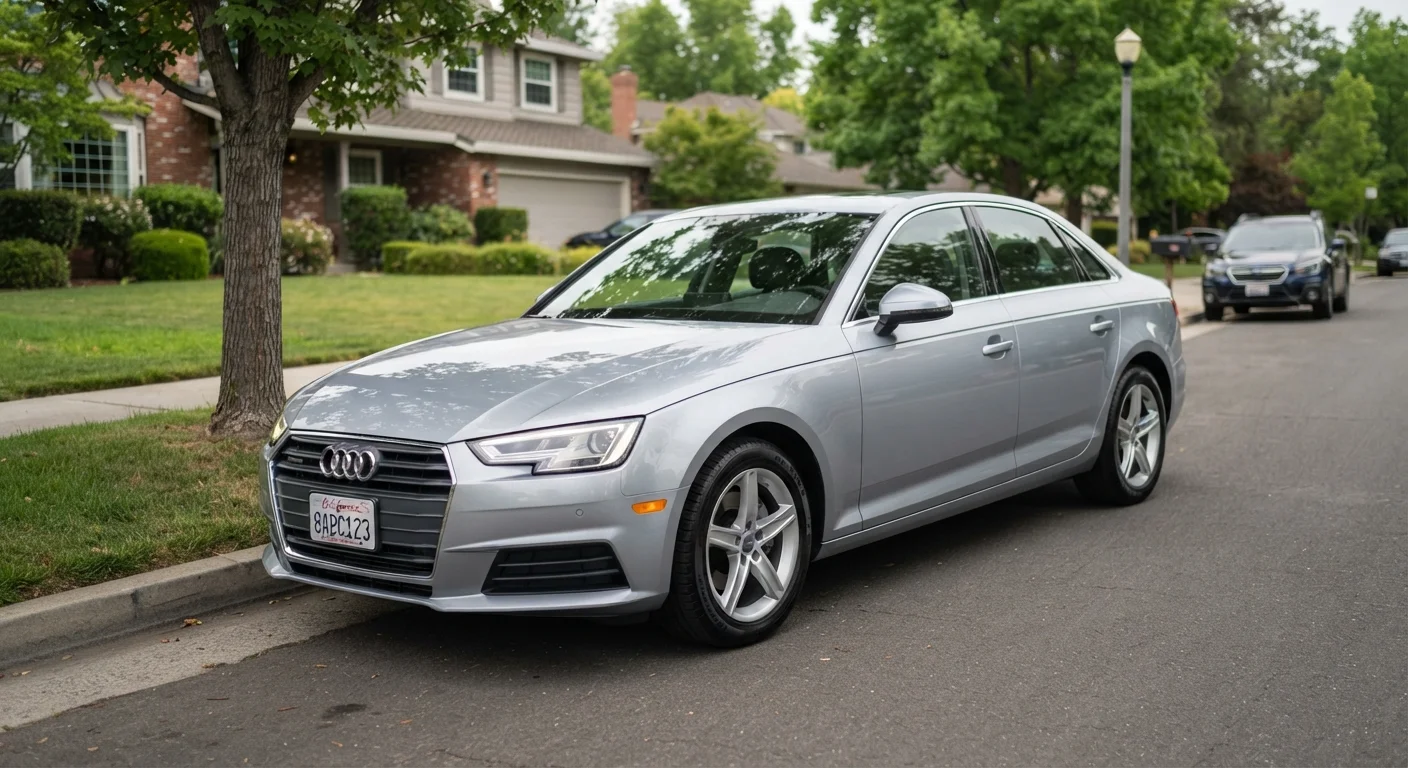
A sedan is a passenger car with a three-box body structure: a forward engine compartment, a central enclosed passenger cabin, and a separate trunk at the rear. That clear physical separation between cargo and passengers is what most people picture when they imagine a "regular car."
Sedans come in four broad size categories:
- Subcompact - smallest footprint, easiest to park in tight urban environments
- Compact - the most popular segment, balancing interior room with maneuverability
- Midsize - generous rear-seat legroom and trunk volume for families or frequent travelers
- Full-size - maximum passenger comfort, typically with a larger engine
Understanding where a specific model sits in this hierarchy helps narrow your search before you ever visit a dealership.
Three-box body
A vehicle design with three visually distinct sections: engine bay, passenger cabin, and trunk. This structure defines the sedan.
Trim level
A named configuration of a vehicle model (e.g., base, mid, premium) that determines which features are included at a given price point.
Powertrain
The combination of engine and transmission that generates and delivers power to the wheels.
EPA fuel economy estimate
A standardized fuel efficiency figure published by the U.S. Environmental Protection Agency based on laboratory test cycles. Real-world results vary by driving conditions and habits.
Active safety features
Electronic systems that monitor driving conditions and can warn the driver or intervene automatically to help avoid collisions - for example, automatic emergency braking or lane-keeping assist.
Certified pre-owned (CPO)
A used vehicle that has been inspected and reconditioned to meet a manufacturer's standards, often accompanied by an extended limited warranty.
Sedan vs. Coupe: Understanding the Difference
Many first-time shoppers assume a coupe is simply a two-door sedan - but the distinction goes further than door count. Coupes typically have a lower, sleeker roofline that reduces rear headroom and makes rear-seat access noticeably more difficult. Structurally, the longer door openings on a coupe can also mean slightly different handling characteristics compared with a four-door counterpart on the same platform.
The practical trade-offs look like this:
| Factor | Sedan | Coupe |
|---|---|---|
| Doors | Four | Two |
| Rear-seat access | Easy | Restricted |
| Roofline | Upright, more headroom | Sloped, sporty |
| Typical use | Daily driving, families | Enthusiast, two-person use |
If you regularly carry rear passengers - family members, friends, colleagues - a sedan's four-door layout is a meaningful everyday convenience. If style and a sportier aesthetic matter more and rear access is rarely needed, a coupe deserves a serious look. For those drawn to performance-oriented vehicles, our guide to performance cars for beginners explores how those priorities shift further.
Test Both Doors Before Deciding
When comparing a sedan to a coupe at a dealership, physically climb into the rear seat of each. The difference in headroom and how far you have to bend to enter is immediately apparent. This hands-on check often clarifies the choice faster than any spec sheet.
Key Features to Evaluate in a Sedan
Once you understand body style basics, evaluation shifts to what's inside and underneath. These are the dimensions that determine whether a sedan genuinely fits your life.
Cabin Ergonomics
Sit in the driver's seat and adjust it fully. Check headroom, legroom, and whether the steering wheel adjusts for reach and rake. Good seat positioning affects comfort on long drives and long-term physical strain. Our guide to car ergonomics for everyday drivers covers this in detail.
Powertrain and Fuel Efficiency
Most mainstream sedans use a four-cylinder engine paired with an automatic transmission. Some midsize and full-size models offer optional six-cylinder engines for extra power. Hybrid powertrains are increasingly common across all size classes and meaningfully reduce fuel costs over time. Check EPA fuel economy estimates - but treat them as directional benchmarks rather than guarantees of real-world results.
Safety Ratings
Independent safety organizations publish detailed crash-test results. The Insurance Institute for Highway Safety (IIHS) and the National Highway Traffic Safety Administration (NHTSA) both test sedans and publish results publicly. Look for top scores in frontal, side, and roof-strength categories, and confirm whether active safety features like automatic emergency braking are standard or only available on higher trims.
Trim Levels
Manufacturers sell the same sedan in multiple configurations called trim levels. A base trim may omit features - heated seats, driver-assistance technology, larger infotainment screens - that are standard on higher trims. Compare what's included at each price point carefully, since options bundled into a higher trim can sometimes represent genuine value. For a comprehensive framework covering all these dimensions, see our full sedan buyer's framework.
How Sedans Compare to Other Vehicle Types
Sedans are not the right tool for every situation. Understanding where they fit - and where they fall short - prevents post-purchase regret.
Versus SUVs and crossovers: SUVs offer higher seating positions, more cargo flexibility, and available all-wheel drive. Sedans typically return better fuel economy and cost less to purchase and insure. Explore the SUV segment overview if ground clearance or cargo volume is a regular priority.
Versus trucks: Trucks provide towing and hauling capability that no sedan can match. They sit higher off the ground and require more space to park. If work or recreation demands payload capacity, our guide for first-time truck buyers is a more relevant starting point.
Versus classic cars: Some first-time buyers are drawn to vintage vehicles. The buying process and ownership experience differ substantially - see our introduction to the classic car world for that context.
Don't Overestimate a Sedan's Utility Limits
Sedans handle everyday cargo well but have a fixed trunk that limits bulky or oversized items. If you regularly transport large objects - furniture, sporting equipment, or work materials - a sedan's trunk opening and volume may become a genuine frustration. Clarify your cargo needs before ruling out hatchbacks, wagons, or crossovers.
Making a Confident First Decision
No article replaces seat time. Once you have a shortlist of sedan models and size categories that seem to fit your needs, schedule test drives. Drive each vehicle on both city streets and a highway stretch if possible - the difference between how a car feels at 30 mph and 70 mph is real and worth experiencing before you commit.
Bring a checklist to each test drive covering: visibility from the driver's seat, ease of parking, trunk access, infotainment usability, and how quickly you felt comfortable with the controls. Ask dealers to walk you through any active safety features so you understand how they behave - some systems are more intrusive than others.
Finally, account for total ownership cost, not just sticker price. Factor in insurance estimates, fuel costs based on your typical annual mileage, scheduled maintenance intervals, and any warranty terms. A sedan with a lower purchase price but more frequent service requirements may cost more over three years than a slightly pricier alternative.
The sedan segment is broad and competitive, which works in a buyer's favor. Taking a structured, unhurried approach - comparing body styles, sizes, feature tiers, and real-world costs - puts you in a strong position to make a choice you'll be satisfied with well beyond the first year of ownership.