
The Defining Structural Differences
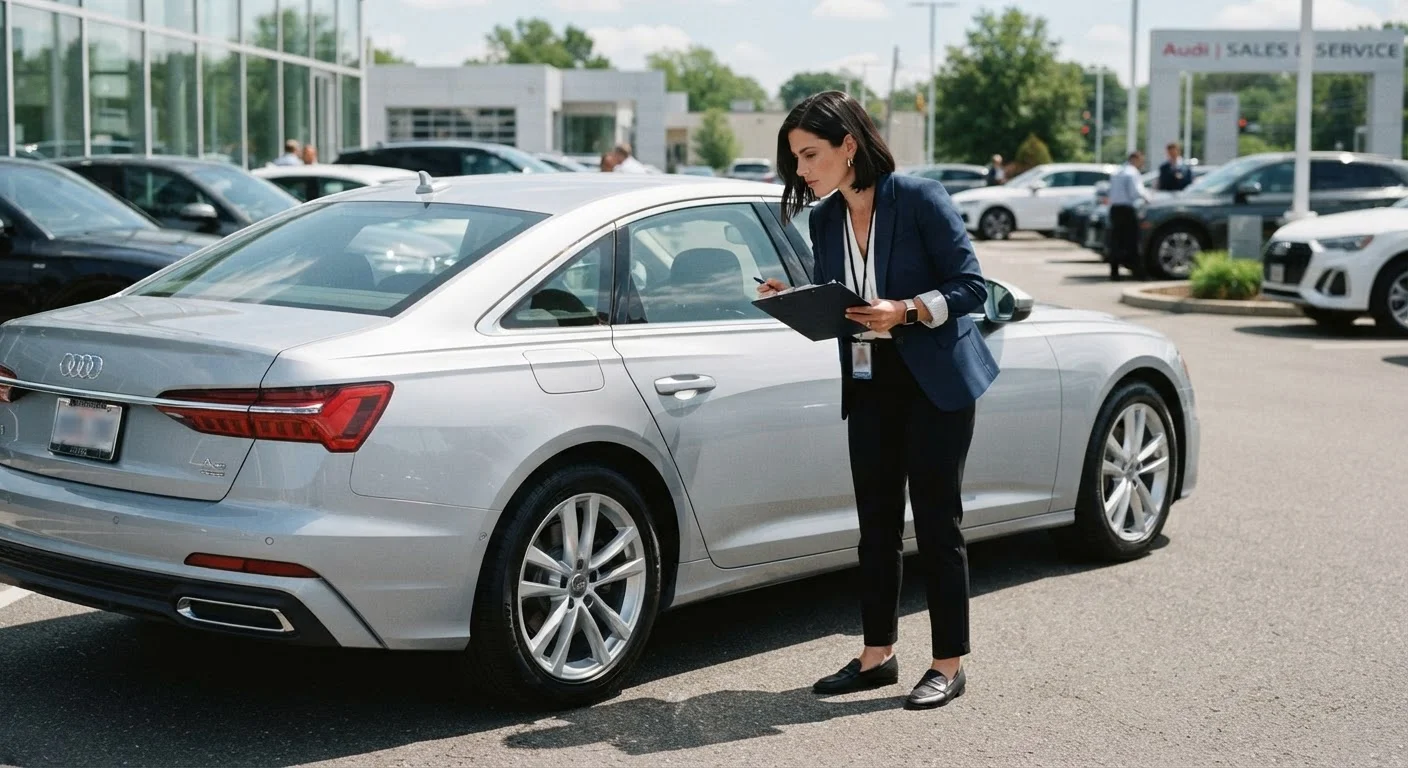
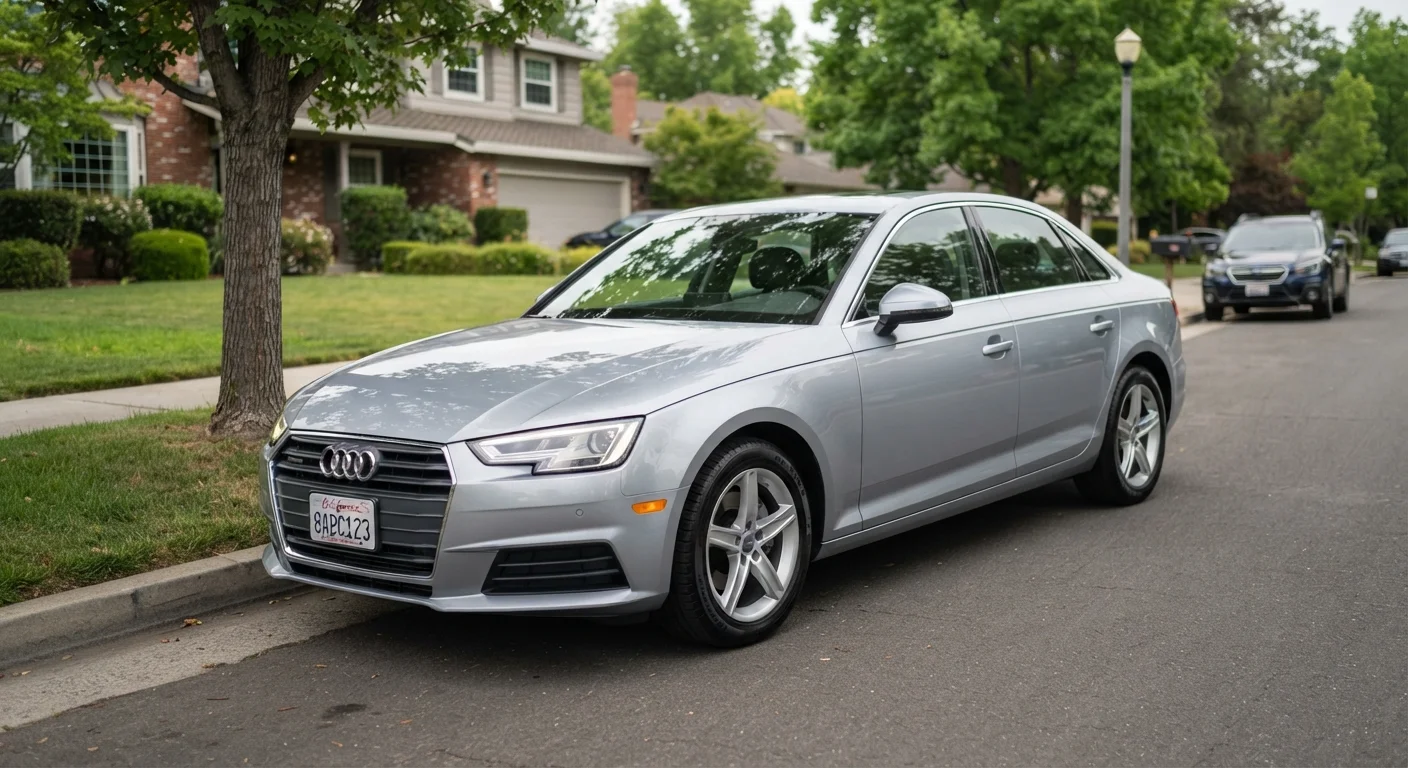
At their most fundamental level, sedans and coupes differ in three ways: door count, roofline geometry, and rear-cabin dimensions. A traditional sedan has four doors, a relatively upright rear roofline, and a clearly separated trunk compartment. A traditional coupe has two doors, a lower and more dramatically angled roofline, and a rear passenger area that is noticeably smaller as a result.
These aren't just aesthetic choices. The roofline angle directly determines rear headroom. The absence of rear doors in a coupe shifts the B-pillar rearward to create longer, more dramatic door panels - which also means rear-seat access requires more effort. On a sedan, the B-pillar sits in a conventional position between front and rear doors, making entry and exit straightforward for all passengers.
For a deeper look at how roofline variations affect the sedan category itself, see sedan body style variations explained.
2
Doors on a traditional coupe
By conventional automotive classification, a coupe has two doors - though manufacturer labeling has introduced exceptions in modern lineups.
~3-4 inches
Typical rear headroom reduction in coupes
Industry segment comparisons frequently show coupes within the same model family offering meaningfully less rear headroom than their sedan counterparts due to roofline geometry.
Where the 'Four-Door Coupe' Complicates Things
Over the past two decades, several automakers have introduced vehicles they describe as four-door coupes. These are essentially sedans or fastbacks with a more aggressively sloping rear roofline intended to evoke coupe styling while retaining full rear-door access. The term is largely a marketing construct.
From a classification standpoint, a vehicle with four doors and a separate trunk is a sedan regardless of how steeply the roofline drops. The coupe label in these cases signals a design philosophy - lower, sleeker, sportier - rather than a literal body-style category. Buyers should be aware of this distinction when comparing vehicles across model lines.
Manufacturer Labels Aren't Always Definitive
The automotive industry lacks a universal regulatory standard for body-style labels. A vehicle described as a 'coupe' by one manufacturer may share structural dimensions with what another calls a sedan. When researching, focus on door count, roofline height, and rear-seat measurements rather than the marketing name alone.
Practical Implications for Daily Use
The sedan-versus-coupe decision becomes very concrete when you factor in real-world use. Regular carpooling, transporting children, or frequently carrying rear passengers all favor the sedan format. Four-door access is simply more convenient, and the taller roofline keeps adults comfortable in the back seat on longer trips.
Coupes make sense when rear-seat use is infrequent and driving dynamics or aesthetics take priority. The two-door format often pairs with shorter wheelbases and stiffer suspension tuning in sporty variants, though this varies by model. Trunk capacity is generally comparable between the two formats when the coupe features a conventional trunk rather than a hatchback-style opening.
If you're also weighing a sedan against a larger vehicle altogether, a direct sedan-vs-SUV comparison covers where each body style genuinely holds its own.
Test the Rear Seat Before Deciding
When comparing a sedan and coupe variant of the same model, sit in the rear seat of each. Note headroom, legroom, and how easy it is to climb in and out. This hands-on check often clarifies the tradeoff more than any spec sheet comparison.
Choosing Based on What Actually Matters to You
Rather than defaulting to aesthetics alone, consider how you use your car most days. If you regularly carry three or more passengers, a sedan's rear-door convenience and headroom will matter more than you might expect. If the back seat serves primarily as storage or an occasional spot for a single passenger, a coupe's compromises are unlikely to affect your daily experience.
Also consider that coupes are often available in higher-output engine configurations and sportier trim levels within a given model family, though sedans in the same lineup frequently offer the same powertrain options. The body style itself doesn't determine performance - several common assumptions about coupes don't hold up under scrutiny.
Once you've settled on a body style, size becomes the next variable. Compact, mid-size, and full-size sedans each serve different real-life needs, and understanding that spectrum makes a meaningful difference in finding the right fit.