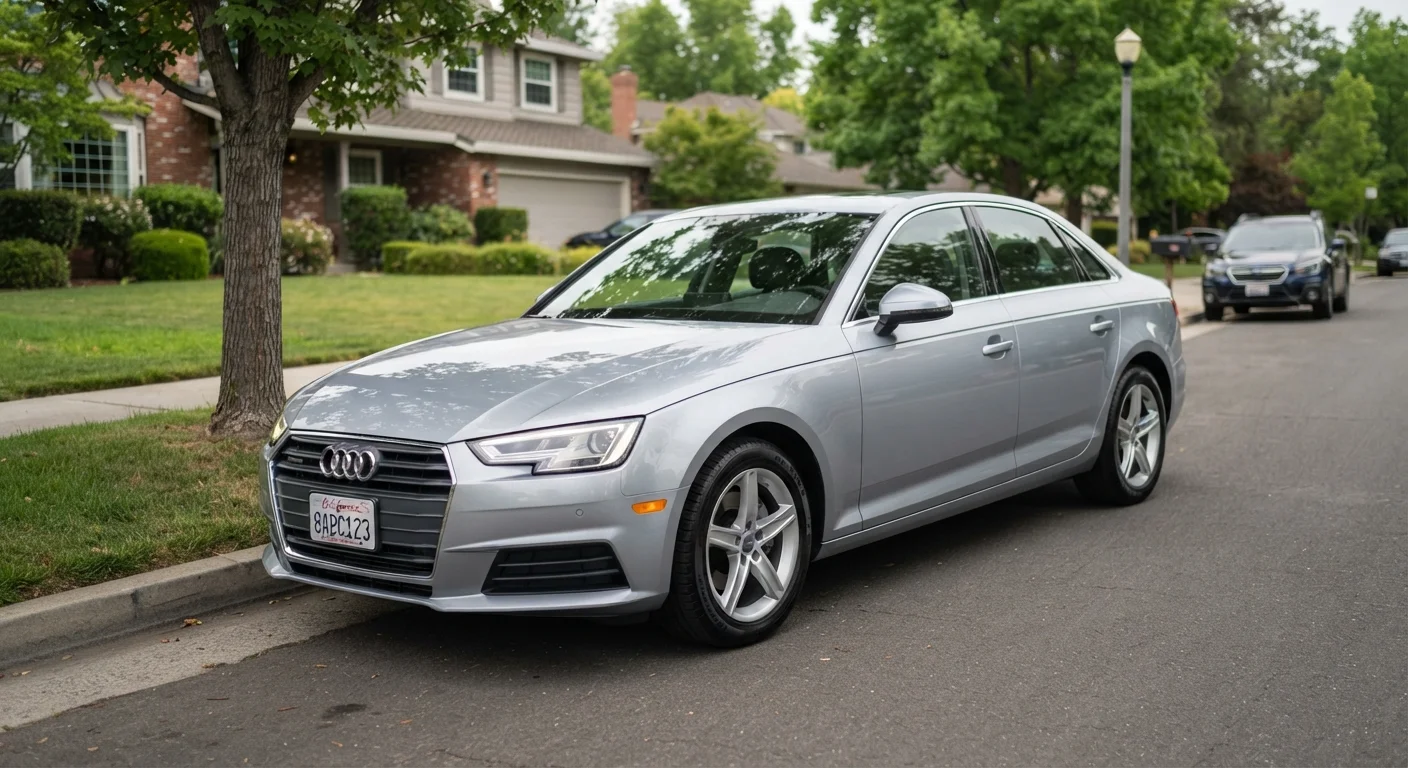

Power Delivery: More Than a Horsepower Number
Horsepower headlines sell cars, but it's how power arrives that determines whether a sedan feels genuinely fast. A high-output engine paired with a sluggish drivetrain or excessive body roll produces a disappointing experience regardless of the spec sheet. Performance sedans that truly reward drivers prioritize torque availability at usable rpm ranges, minimizing the delay between driver input and vehicle response.
Turbocharged engines now dominate this segment, offering broad torque curves that make everyday acceleration feel effortless. The transmission pairing matters just as much - a well-calibrated dual-clutch unit can shave meaningful time from acceleration runs while keeping the driver connected to each gear change. For context on what engineering traits define the broader performance category, see what makes a vehicle a true performance car.
Match the Powertrain to Your Driving Style
Before focusing on peak horsepower, consider where in the rpm range you'll spend most of your time driving. A turbocharged engine with strong low-end torque often feels quicker in everyday traffic than a naturally aspirated engine that peaks at high revs. Test-drive candidates in real-world conditions - not just highway merges - to experience how power delivery translates to your actual use case.
Suspension Tuning and Chassis Dynamics
No single factor shapes the feel of a performance sedan more than its suspension calibration. Engineers adjust spring rates, damper valving, anti-roll bar stiffness, and bushing compounds to control how the body responds to inputs - both from the driver and the road surface. A well-tuned chassis keeps the tires in contact with the pavement through corners while communicating meaningful feedback through the steering wheel.
Geometry choices - such as negative camber settings and aggressive toe angles - influence how the front tires load up during cornering. Many performance sedans now offer adaptive damper systems that shift between comfort and sport modes electronically, allowing one vehicle to serve multiple driving contexts. The structural foundation underneath all of this tuning is equally important; how door count affects chassis dynamics is a factor worth understanding when comparing sedan and coupe options.
Adaptive Suspension: Comfort vs. Sport Trade-Offs
Adaptive damper systems offer genuine versatility, but sport modes on performance sedans typically increase road noise transmission and ride firmness noticeably. If you spend significant time on rough urban roads, evaluate whether the comfort setting still meets your threshold - some systems are firm even in their softest calibration.
Weight, Balance, and Body Structure
A four-door body presents inherent structural challenges compared to a coupe - more door openings require more engineering to maintain torsional rigidity. However, modern performance sedans address this through high-strength steel construction, strategic aluminum components, and precision unibody bracing. The goal is a body that resists flexing under lateral load, which allows suspension geometry to behave as designed rather than absorbing energy through chassis flex.
Weight distribution - ideally close to a 50/50 split between the front and rear axles - determines how naturally the car rotates through corners. Front-heavy configurations tend to push wide (understeer), while rear-biased layouts can rotate more eagerly. Performance sedan engineers work to centralize mass, placing the battery, fuel tank, and heavy drivetrain components as close to the car's midpoint as possible.
50/50
Ideal front-to-rear weight distribution target
Engineers across the performance sedan segment commonly target a 50/50 weight balance as the baseline for neutral, predictable handling.
~30%
Torsional rigidity improvement from structural bracing
Modern unibody construction techniques, including strategic high-strength steel placement, can improve chassis rigidity by roughly 30% compared to prior-generation platforms in the same segment.
Roofline design also plays a subtle role. Fastback and notchback body styles affect aerodynamic drag and rear downforce, both of which influence high-speed stability.
Braking and Tire Performance
Speed is meaningless without the ability to scrub it efficiently. Performance sedans typically upgrade from standard rotors to larger-diameter vented or cross-drilled discs, paired with higher-temperature brake compounds. These components resist fade during repeated hard stops - a key distinction from standard-duty braking hardware that may perform adequately on public roads but struggle under sustained track-style use.
Tires are arguably the most immediate performance variable on any sedan. A wider contact patch, lower-profile sidewall, and performance-compound rubber translate to shorter braking distances and higher cornering grip. Many performance sedans leave the factory on summer-performance or all-season performance tires that are calibrated specifically for the vehicle's suspension tuning. Understanding how these systems work together is part of what separates street-oriented performance vehicles from track-focused machines.