Why First-Time Buyers Get It Wrong
The classic car market rewards preparation and punishes romanticism. New enthusiasts enter with passion - which is entirely appropriate - but often without the framework to translate that enthusiasm into sound decisions. The gap between admiring a car and owning it responsibly is wider than most first-timers expect.
Understanding what makes a car a timeless classic is a good starting point. Genuine classics earn their status through a combination of historical production context, engineering significance, motorsport or cultural heritage, and sustained community recognition. Age alone is not the qualifier. A car that checks those boxes carries different buying considerations - and different risks - than a late-model collectible or a nostalgia piece.
The mistakes below aren't rare edge cases. They are patterns that repeat across generations of new collectors, and each one is avoidable with the right approach. Investment myths surrounding the classic market compound these errors, so separating fact from folklore matters before you spend a dollar.
Skipping a specialist pre-purchase inspection in favor of a general mechanic or personal walkthrough.
Why it happens: First-time buyers often underestimate how different a classic vehicle's engineering, materials, and failure points are from modern cars. Enthusiasm overrides caution.
Dramatically underestimating restoration costs and timeline before committing to a project car.
Why it happens: Seller listings emphasize potential rather than current condition, and buyers price parts without accounting for skilled labor, delays in sourcing NOS (new old stock) components, or cascading discoveries mid-restoration.
Accepting a car's 'classic' status at face value without understanding what genuine timelessness means.
Why it happens: Marketing language around classic cars is loose. Buyers conflate age with significance, assuming any vehicle over 25 years old carries inherent collector value or cultural weight.
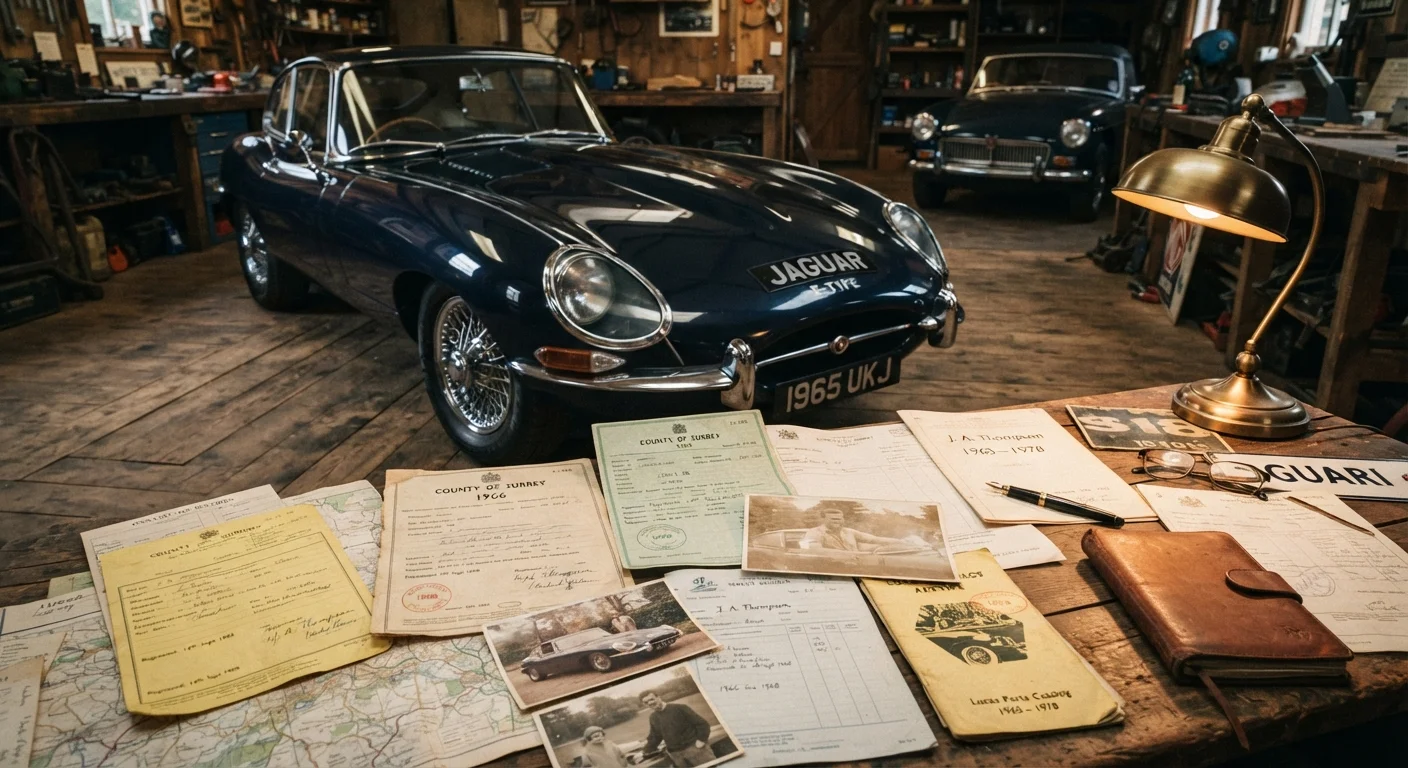
Ignoring or failing to verify provenance, documentation, and matching-numbers status.
Why it happens: Buyers new to the hobby don't yet know what documentation exists for a given model or understand how significantly non-matching numbers affect value and authenticity.
Letting emotional attachment during the viewing process override rational assessment.
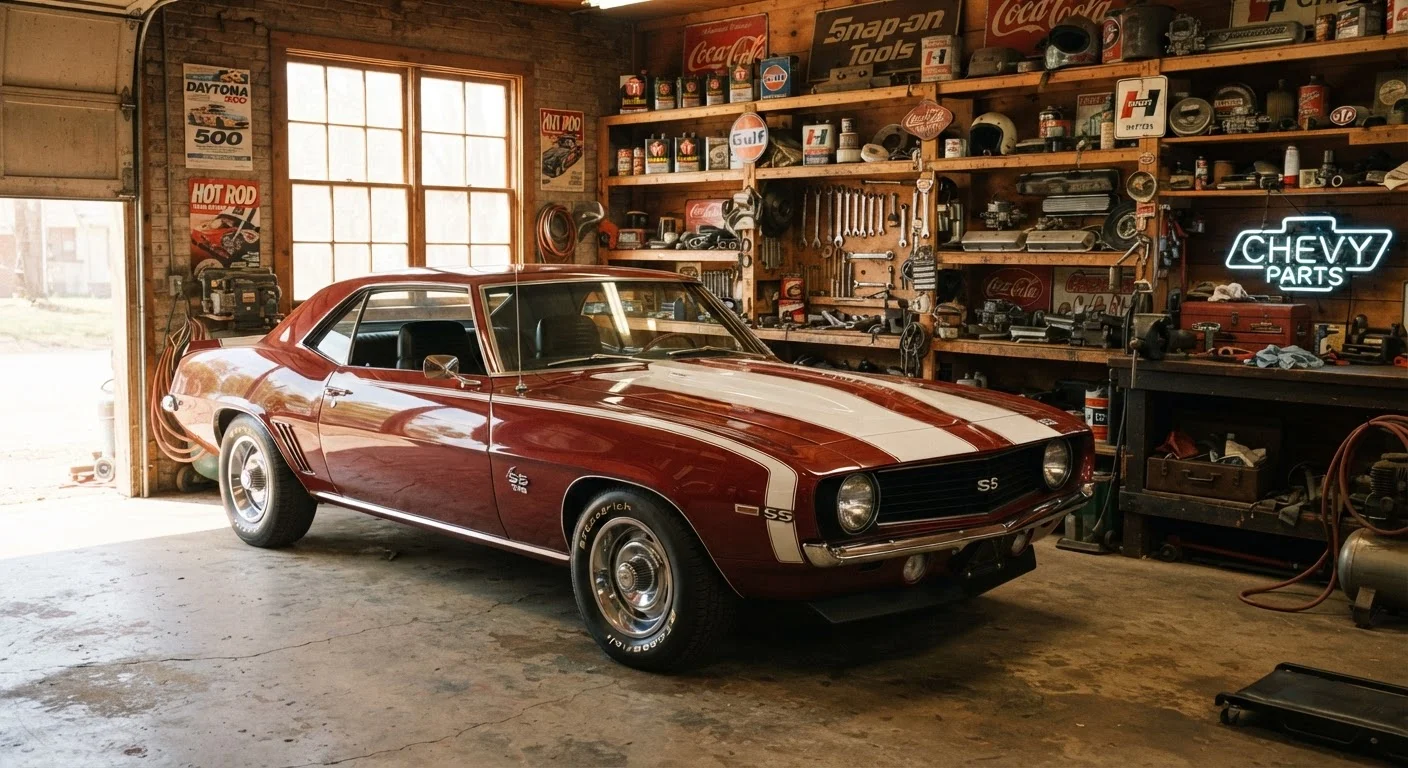
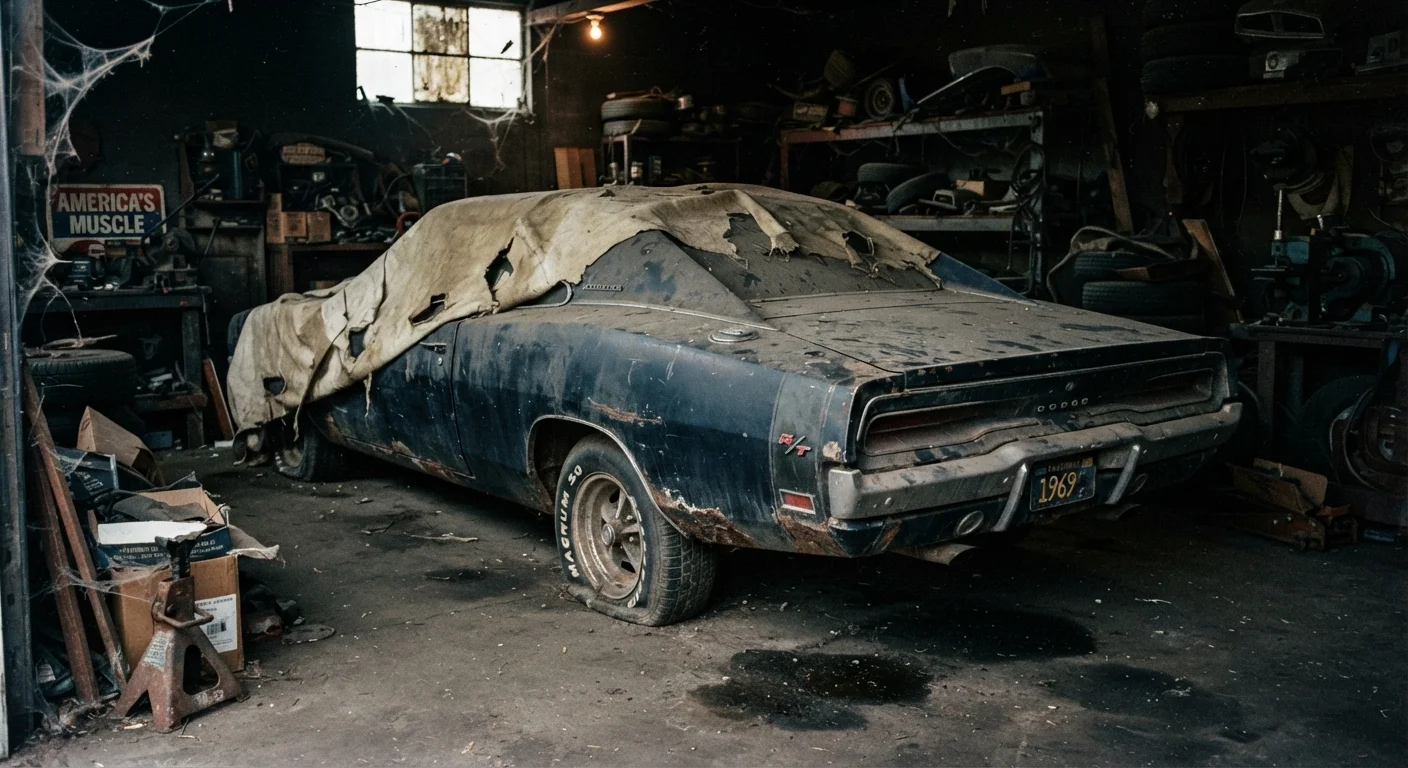
Why it happens: A beautiful car in a romanticized setting - a barn, a garage, a show field - triggers a powerful emotional response that buyers confuse with informed confidence.
Building Better Habits Before You Buy
The best defense against rookie errors is a structured process that runs parallel to - not after - your enthusiasm. Joining a marque-specific club before purchasing gives access to technical advisors, registry resources, and owners who have navigated the same decisions. Most clubs maintain lists of recommended inspectors and restoration specialists with proven track records.
60-70%
Classic restorations that exceed initial budget estimates
Industry observers and restoration specialists consistently note that first-time buyers underestimate total restoration costs by a substantial margin, often discovering hidden issues mid-project.
3-5×
Cost multiplier for unibody rust repair vs. surface rust
Structural corrosion remediation on unibody classics can cost multiples of what buyers budget based on visual inspection alone, according to restoration shop estimates.
Document everything the seller provides and independently verify what you can. VIN decoding, title history checks, and factory option verification are all accessible to buyers willing to invest the time. If a seller resists third-party inspection or refuses to share documentation, that resistance is itself a data point.
Rust Is Rarely Cosmetic
Surface rust on body panels can signal deep structural corrosion in frame rails, floor pans, and unibody seams - areas where repair costs can exceed the vehicle's market value. Never accept a seller's assurance that rust is 'just surface.' A qualified classic car inspector will probe beneath paint and undercoating to assess true structural integrity. This single oversight has derailed more first-time purchases than any other factor.
For buyers also considering performance-oriented classics, many of the same principles apply - though the technical assessment shifts focus. Assessing a performance vehicle's true capability covers the distinct pitfalls in that segment. Whatever the category, the discipline of slowing down, verifying claims, and budgeting honestly separates collectors who build satisfying collections from those who learn expensive lessons.
Verbal History Is Not Provenance
A compelling seller story about a car's origin, previous owners, or race history is not a substitute for documented proof. Without titles, build sheets, Marti reports (for Fords), Protect-O-Plate records (for Corvettes), or similar factory documentation, authenticity claims are unverifiable. Misrepresented provenance can affect insurance coverage, concours eligibility, and resale value significantly.