Where Classic Car Investment Myths Come From
Car culture is rich with storytelling - and some of those stories, repeated often enough at concours events and online forums, calcify into accepted wisdom. The belief that classics are reliable stores of value draws on genuine historical examples: certain muscle cars, pre-war European roadsters, and iconic sports cars have indeed delivered extraordinary returns for their owners. But those headline results represent a narrow slice of the broader market, and their prominence distorts how many enthusiasts assess their own vehicles.
For anyone new to the classic car world, distinguishing passion-driven enthusiasm from sound market reasoning is an early and important lesson. The myths below are among the most persistent - and the most worth questioning.
Myth
Any old car will appreciate in value if you hold onto it long enough.
Fact
Age alone is not a reliable predictor of value. The market rewards desirability, provenance, and condition - not years elapsed.
The notion that time automatically transforms any vehicle into a valuable collectible has led many enthusiasts into costly disappointments. The collector market is driven by demand, and demand is shaped by cultural memory, mechanical significance, and community enthusiasm. A common four-door family sedan from the 1970s may be old, but if it carries no particular heritage or following, it may struggle to find buyers at a meaningful price - regardless of how many decades pass. As cultural and mechanical factors explain, age is only one piece of the classic car equation.
Myth
Rare production numbers automatically make a car more valuable.
Fact
Rarity without desirability rarely translates to strong market value. Collectors pay premiums for cars they passionately want, not simply for cars that are hard to find.
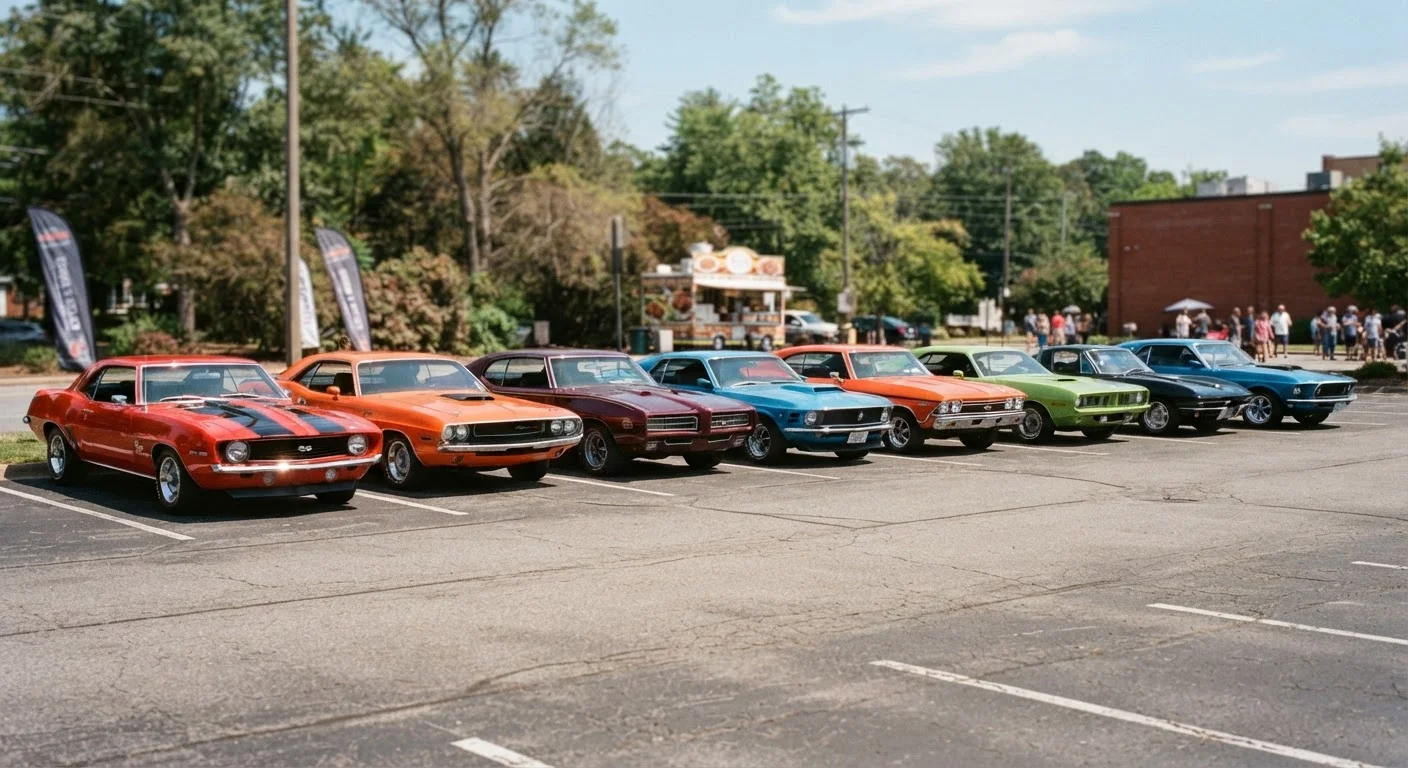
Production scarcity is frequently cited as a straightforward indicator of investment potential, but the collector market tells a more complicated story. A vehicle built in small numbers due to poor sales or lack of consumer interest doesn't automatically become a trophy asset. What drives prices upward is the intersection of rarity and desirability - enthusiasts competing to own something few others can. Without that emotional and cultural pull, low production figures are a footnote rather than a financial catalyst.
Myth
A full frame-off restoration always increases a classic car's value.
Fact
Restoration costs routinely exceed the vehicle's recovered market value, and poorly executed work can actually reduce what a serious collector is willing to pay.
The economics of classic car restoration are frequently misunderstood. Labor rates, sourcing correct period parts, and the sheer time involved in a quality restoration mean total expenditure regularly surpasses what the finished car will command at auction or private sale. Compounding this, the collector community scrutinizes restoration quality intensely. Incorrect paint codes, non-original components, or modern substitutions can diminish a car's standing among knowledgeable buyers. The realities of classic car ownership make clear that passion, not profit calculation, should anchor restoration decisions.
Myth
Classic car values only ever go up over the long term.
Fact
Collector car markets are cyclical, generationally influenced, and subject to economic headwinds - values can plateau, decline, or shift dramatically by segment.
Historical auction data shows that classic car values rise and fall with broader economic conditions, generational turnover among collectors, and shifting cultural tastes. Segments that commanded enormous premiums in one decade can soften considerably as the generation that grew up idolizing those vehicles ages out of active buying. Meanwhile, newer enthusiasts often gravitate toward different eras and models. Treating the collector market as a one-directional escalator ignores the documented volatility that even blue-chip marques have experienced. Anyone approaching classics as a financial strategy should treat them as speculative, not certain.
Myth
A barn find is always a hidden treasure worth restoring.
Fact
Many barn finds are structurally compromised, and the cost to bring them to a presentable standard often far outweighs their market value.
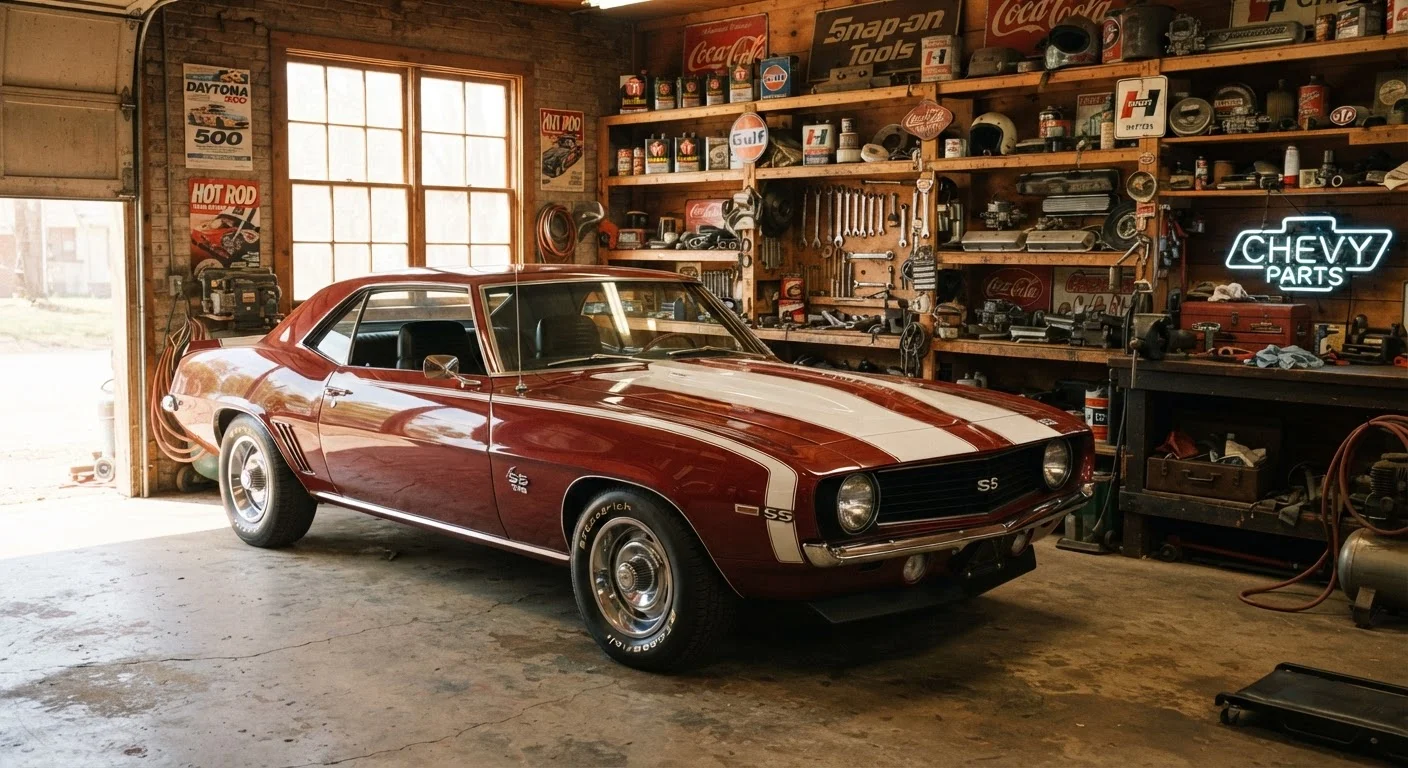
The romantic image of a forgotten classic waiting to be rescued is a powerful part of car culture, as the cultural fascination with barn finds illustrates well. But the reality is that decades of storage introduce rust, rodent damage, degraded wiring, seized mechanicals, and deteriorated rubber components. Without a professional pre-purchase inspection, buyers risk acquiring a restoration project whose scope is far beyond what they bargained for. First-time classic car buyers frequently learn this lesson at considerable expense.
Myth
Numbers matching is just a collector obsession with no real market impact.
Fact
Numbers-matching vehicles - where the engine, transmission, and key components carry their original factory stamps - command measurable premiums over non-matching examples.
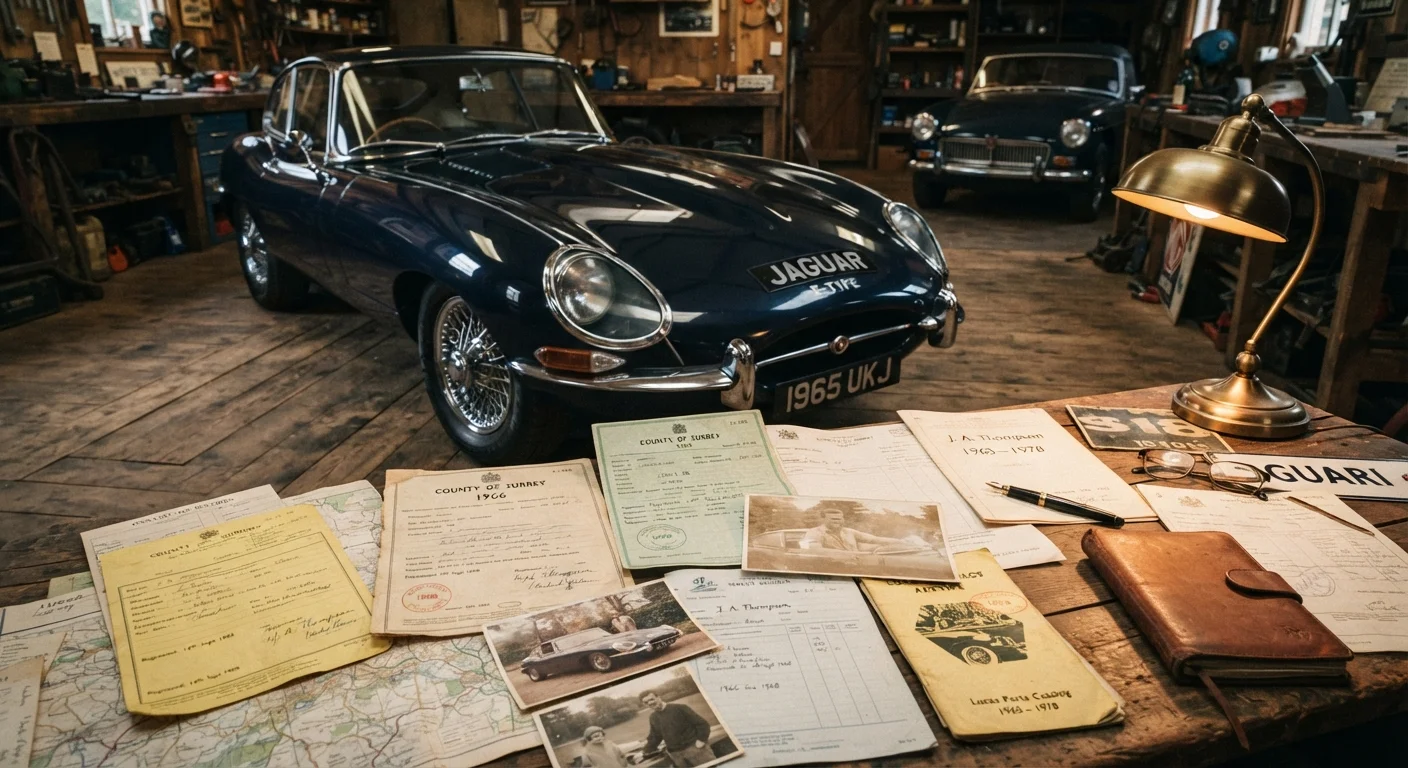
Among serious collectors, numbers matching carries real weight and translates directly into auction results and private sale prices. When original factory-stamped components have been replaced - even with period-correct alternatives - the car's claim to authenticity is diminished in the eyes of purists and institutional buyers. This isn't arbitrary sentiment; it reflects a premium placed on documented, verifiable history. Understanding what numbers matching reveals about collector values helps clarify why provenance documentation is treated as seriously as mechanical condition.
What Enthusiasts Should Actually Consider
None of the above is meant to dampen the genuine joy of classic car ownership. The collector community thrives on passion, history, and mechanical appreciation - values that exist independent of market returns. But approaching a classic vehicle with realistic expectations about investment potential protects enthusiasts from financial disappointment and allows them to engage with the hobby on honest terms.
Treat Classics as Passion Projects First
No vehicle purchase should be justified solely on projected financial returns in the collector market. Values are influenced by forces outside any individual owner's control - economic cycles, generational taste shifts, and broader auction trends. Consult qualified appraisers and marque specialists before making any significant purchasing decision, and never commit funds you cannot afford to have illiquid for an extended period.
Condition, documented provenance, authentic originality, and genuine community desirability remain the most consistent factors behind strong collector values. A car loved for what it is - rather than what it might theoretically be worth - is a far more sustainable foundation for participation in this culture. Explore the broader debate around originality versus restoration and what the most common myths misleading new collectors look like in practice.
~30%
Classic cars that appreciate significantly
Industry observers note that only a minority of collector vehicles - those with strong heritage, documented provenance, and active enthusiast communities - tend to show sustained value appreciation over time.
2-3×
Typical restoration cost overrun multiple
Experienced restorers and marque specialists commonly report that project vehicles cost two to three times more to complete than initial estimates suggested, particularly for body-off restorations.