Why These Myths Take Hold
New collectors entering the classic car world often inherit a body of received wisdom passed around at shows, online forums, and garage conversations. Some of it is genuinely useful. Much of it, however, is folklore dressed up as expertise. The stakes are high: purchasing a classic on false assumptions can mean absorbing enormous unexpected costs, overpaying for a depreciating asset, or acquiring a vehicle whose authenticity has been quietly compromised.
Understanding what actually makes a car a classic is a necessary foundation before any purchase decision. The myths below are among the most consequential - and the most frequently repeated.
Myth
Classic cars always go up in value, making them a reliable investment.
Fact
Classic car values are driven by shifting collector demand, condition, provenance, and market cycles - not time alone.
The belief that any old car will appreciate simply by sitting in a garage has led many new collectors into financially damaging purchases. In reality, only a fraction of vehicles ever achieve significant appreciation, and those that do typically combine rarity, documented authenticity, strong marque communities, and impeccable condition. Many classics lose value when restoration costs exceed what the finished vehicle will realistically bring on the open market - a phenomenon sometimes called being "upside down" on a restoration. The myths surrounding classic car investment run deep in collector culture and deserve serious scrutiny before any purchase.
Myth
A little surface rust is purely cosmetic and nothing to worry about.
Fact
Rust on a classic car can signal deep structural compromise that is expensive and sometimes impossible to reverse.
Surface oxidation and structural rust are categorically different problems. What appears to be a patch of surface corrosion on a rocker panel or floor pan may indicate that metal has already thinned to the point of structural failure beneath a layer of filler or undercoating. Classic vehicles often used thinner steel than modern cars, and decades of moisture intrusion - particularly in regions that use road salt - can hollow out structural members that are costly to fabricate and weld correctly. A specialist inspection that includes probing suspect areas and reviewing undercarriage condition is essential. Never rely on visual surface assessment alone.
Myth
Any car that's old enough automatically qualifies as a classic.
Fact
Age is just one factor; cultural significance, collector demand, and mechanical character are equally important criteria.
The 25-year rule used by some insurers and registration authorities defines an antique for legal purposes, but that threshold says nothing about a vehicle's collector status. A high-volume economy car from 1970 may meet the age requirement while generating almost no collector interest. True classics tend to represent a meaningful moment in automotive history - a breakthrough in design, a performance benchmark, or a cultural touchstone. Scarcity helps, but desirability is the engine of value. A model produced in the hundreds of thousands may still achieve classic status if the marque inspires passionate communities and documented ownership histories.
Myth
A restored car is always worth more than an unrestored original.
Fact
In many segments of the collector market, an unrestored, well-preserved original commands a significant premium over a restored example.
This misconception surprises many new collectors. Among serious enthusiasts, an unmolested original - sometimes called a "survivor" - with intact factory finishes, original drivetrain components, and matching numbers often outperforms a visually perfect restoration at auction. The reason is authenticity: restorations, however skilled, inevitably introduce non-original materials, revised specifications, and questions about what was replaced. The collector market increasingly values transparency about a vehicle's actual history over a glossy presentation that obscures it. Understanding what the numbers-matching obsession tells us about collector values helps clarify why originality commands such a premium.
Myth
A high auction result means you can expect a similar price when you sell.
Fact
Auction results reflect a specific moment, condition, provenance, and the presence of competing motivated bidders - none of which are guaranteed to repeat.
Headline auction results for famous examples are widely reported and easily misapplied. When a concours-condition, fully documented example sells for a record figure, that transaction reflects an alignment of exceptional provenance, perfect timing, and two or more highly motivated buyers in the room. A comparable model in average driver condition, with incomplete paperwork and a repainted body, will attract a fundamentally different audience at a fraction of the price. Using peak auction results as a baseline for valuing an acquisition almost always produces inflated expectations and poor purchasing decisions.
Making Smarter Decisions as a New Collector
The collector market rewards informed buyers and punishes those who rely on shortcuts. A qualified pre-purchase inspection by a specialist familiar with the specific marque and era is not optional - it is the most protective step any first-time buyer can take. Rookie errors that haunt first-time buyers almost always trace back to skipped inspections or misread restoration estimates.
Never Skip a Specialist Pre-Purchase Inspection
A general mechanic may miss marque-specific issues that a specialist identifies immediately. Structural rust, compromised frame rails, non-original drivetrain swaps, and hidden accident damage are frequently concealed beneath fresh paint and detailing. The cost of an independent specialist inspection is modest compared to the financial exposure of buying a car with hidden problems. Always insist on an inspection before any deposit changes hands.
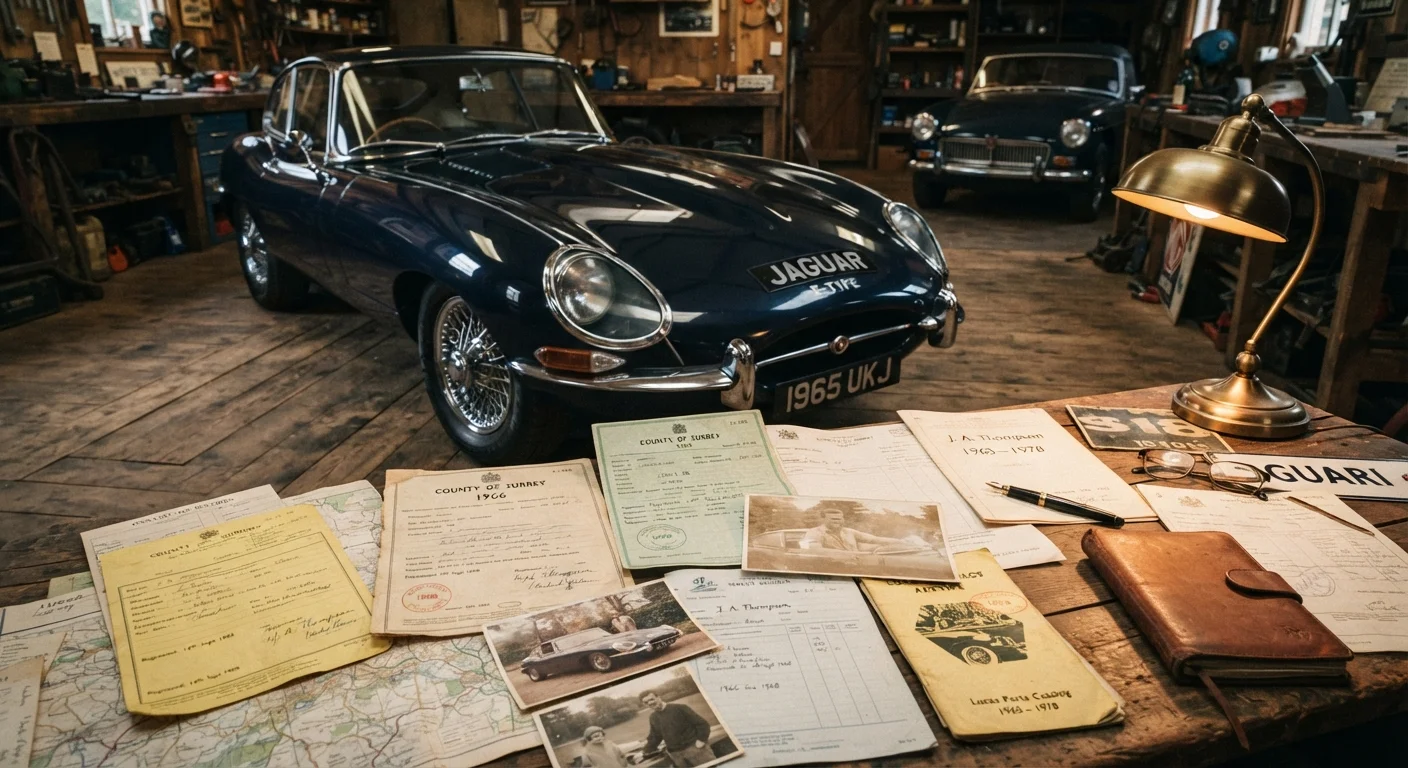
Provenance documentation - factory build sheets, title history, and service records - substantively affects both authenticity and resale value. Understanding why numbers matching matters to collectors before you buy prevents costly surprises later. For an honest accounting of what classic ownership genuinely involves day-to-day, classic car ownership realities alongside the romance provides the grounded perspective new enthusiasts need most.
~30%
Classic restorations that exceed initial budget estimates
Industry observers and restoration specialists consistently note that a significant portion of classic car projects run substantially over their projected costs once hidden structural or mechanical issues are uncovered.
25 years
Minimum age for antique vehicle designation in many U.S. states
Many U.S. states use a 25-year threshold for antique or historic vehicle registration, though this legal definition does not equate to collector or classic status in the market.