What Makes a Car a Classic - and Why People Chase Them
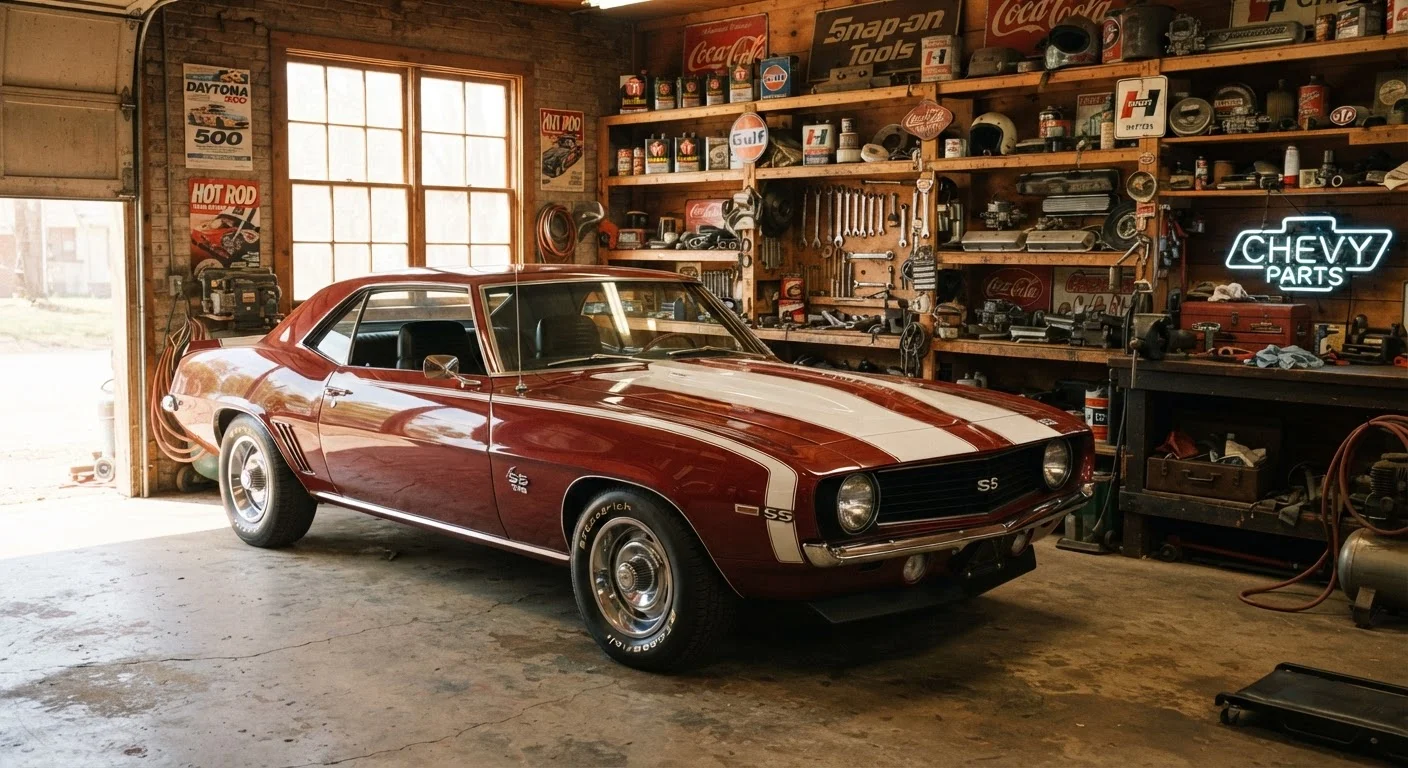
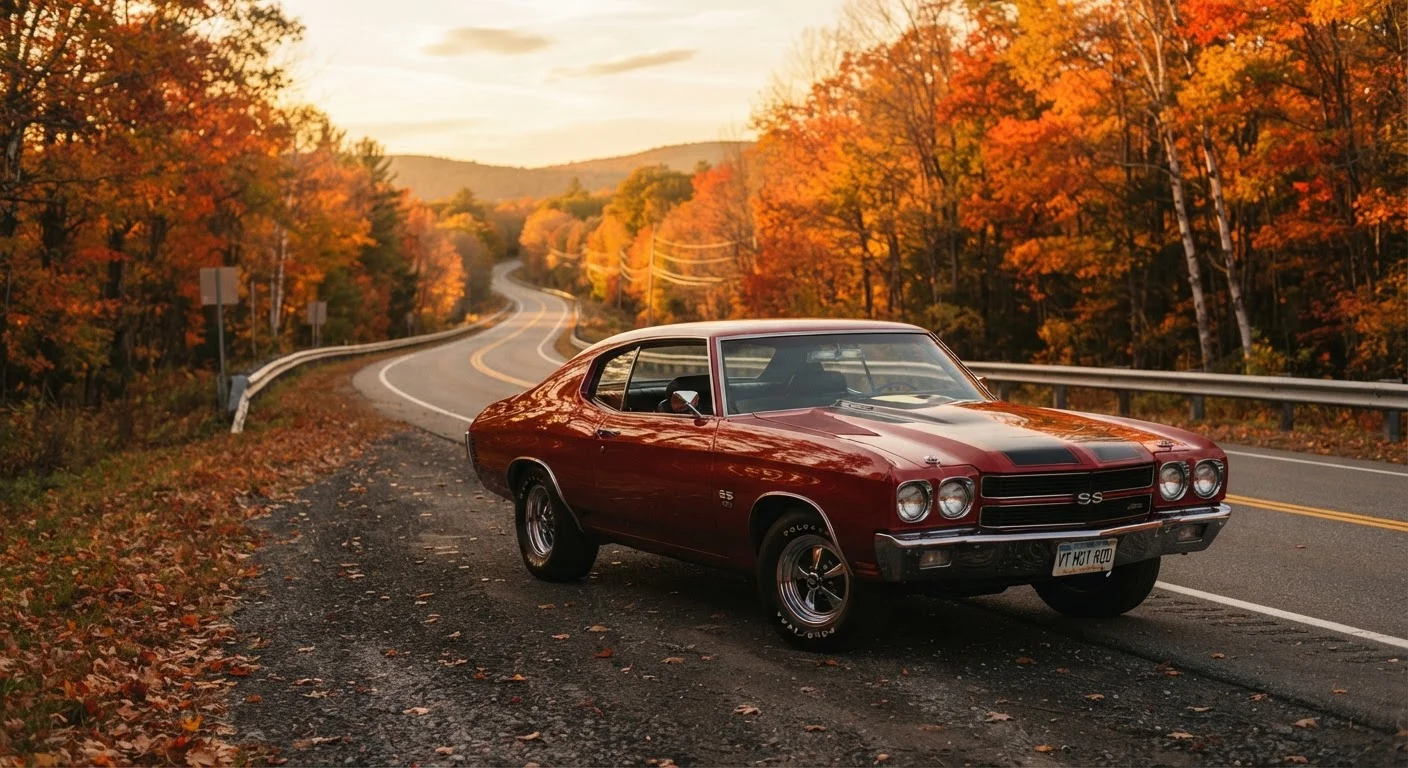
The term "classic" gets applied loosely, but within the collector community it generally describes vehicles that combine historical significance, distinctive design, and cultural resonance - qualities that mass-produced modern cars rarely achieve in the same measure. Whether it's a 1960s American muscle car, a postwar European roadster, or a pre-emissions-era truck, these vehicles carry a character that enthusiasts describe as irreplaceable.
For many buyers, the attraction begins with aesthetics and nostalgia, but it deepens into something more substantive: a connection to a specific era of engineering, craftsmanship, and automotive ambition. If you're new to this world, our complete introduction for new enthusiasts covers the terminology, eras, and culture that define it.
Understanding why a car earns timeless status - mechanical simplicity, design longevity, limited production numbers, or racing heritage - helps prospective owners make more informed choices about which vehicles genuinely hold meaning for them.
Tangible connection to automotive history and craftsmanship
Classic cars represent engineering philosophies, design languages, and manufacturing methods that no longer exist in production vehicles. Owning one is a form of direct engagement with that history.
Strong, knowledgeable enthusiast community
The classic car world is populated by dedicated hobbyists willing to share technical knowledge, spare parts leads, and decades of hard-won experience with fellow owners.
Mechanical accessibility compared to modern vehicles
Pre-electronic era vehicles are often more repairable by skilled amateur mechanics, with fewer proprietary computer systems and more straightforward component access.
Potential for long-term value appreciation
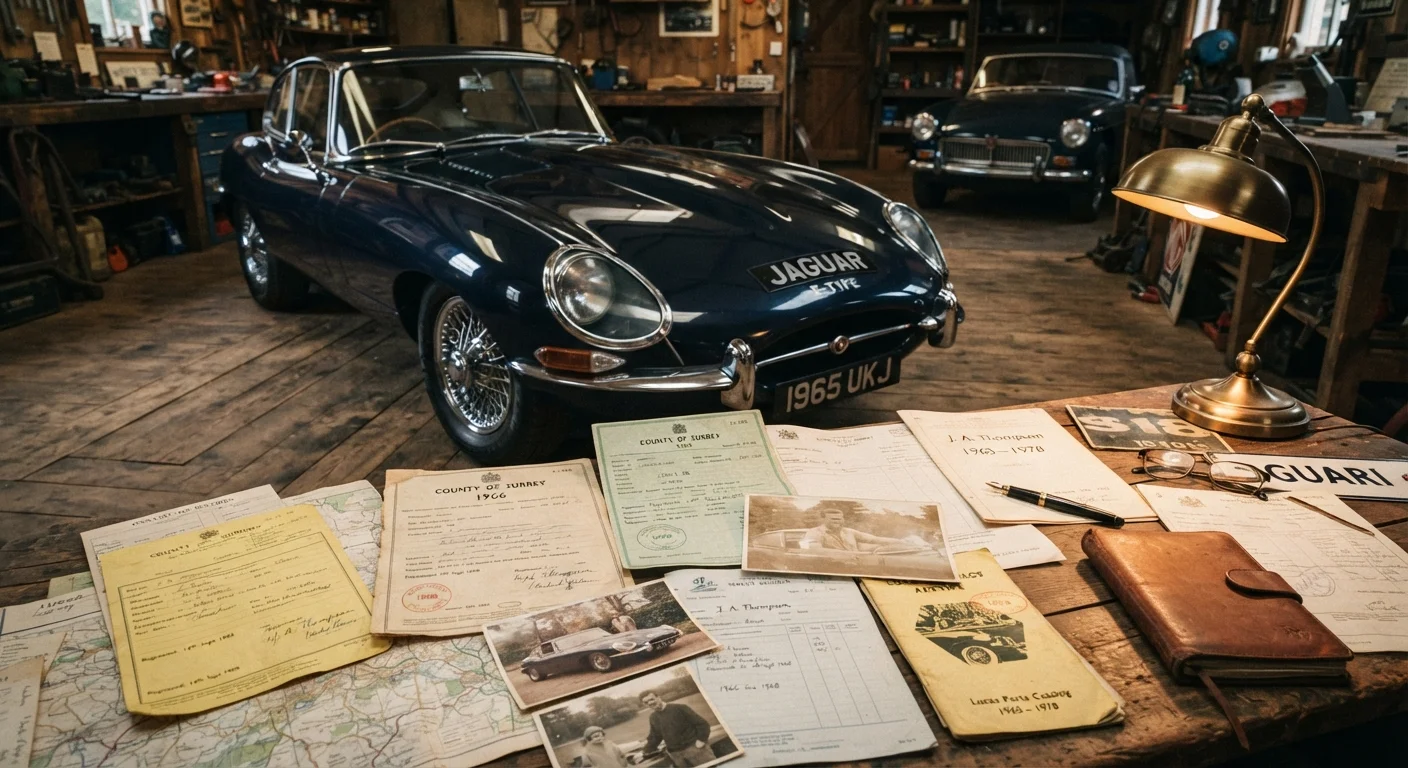
While not guaranteed, well-maintained examples of significant models have historically held or increased value over time - particularly those with documented provenance and originality.
Aesthetic and sensory experience unmatched by modern cars
The driving feel, sound, and visual presence of classic vehicles provide an engagement level that driver-assist-laden modern cars are engineered to suppress.
The Costs and Commitments Enthusiasts Often Underestimate
Acquiring the vehicle is rarely the largest expense. Specialist insurance, climate-controlled storage, periodic mechanical work, and sourcing period-correct parts all accumulate quickly. Labor costs at qualified restoration shops can be substantial, and DIY repairs - while rewarding - require skill, time, and proper tools.
Parts availability is one of the most significant variables. Popular models from major American manufacturers tend to have robust aftermarket support; obscure European marques or low-production vehicles may require sourcing from overseas suppliers or having components fabricated. First-time buyers frequently underestimate these costs, sometimes by a wide margin.
Pre-Purchase Inspections Are Essential
Before committing to any classic car purchase, a specialist inspection by a marque-knowledgeable mechanic is strongly advisable. Hidden rust, non-original components, and undisclosed accident history are common issues that a standard used-car inspection may miss. The cost of a pre-purchase inspection is modest relative to the potential expense of discovering structural or mechanical problems after the sale. See common myths that mislead new collectors for more on what buyers often overlook.
Running costs frequently exceed initial expectations
Beyond purchase price, owners face insurance premiums, specialist storage, ongoing mechanical work, and parts sourcing costs that compound significantly over years of ownership.
Parts availability can be scarce and expensive
For less-common marques or body styles, sourcing correct components may require overseas suppliers, reproduction parts, or custom fabrication - all of which take time and money.
Limited everyday practicality
Most classics lack modern safety systems, climate control, and reliability margins that contemporary drivers expect, making them poor candidates for regular daily transportation.
Value appreciation is unpredictable and not guaranteed
Market tastes shift, and vehicles that seemed certain to appreciate can stagnate or decline. Treating a classic purely as a financial investment carries meaningful risk.
Significant time commitment for proper maintenance
Keeping a classic in good running order - especially if used seasonally - demands regular attention, preparation for storage, and seasonal recommissioning that modern vehicles don't require.
Community, Culture, and the Intangible Returns
Few automotive experiences match the social dimension of classic car ownership. Car clubs, which involve more than just a membership form, offer technical knowledge sharing, group driving events, and a community of people who share a serious investment - financial and emotional - in these machines.
Concours shows, swap meets, and informal gatherings create recurring opportunities to engage with the hobby beyond the garage. There's also the ongoing cultural conversation around preservation versus modification: the originality vs. restoration debate sits at the heart of how enthusiasts define authenticity and value.
40+ years
Typical minimum age for collector car classification
Many insurance providers and enthusiast organizations use a 25-40 year threshold to define collector or classic status, though definitions vary by state and insurer.
Highly variable
Annual maintenance cost range for classics
Restoration specialists commonly note that annual upkeep costs can range from a few hundred dollars for a solid driver to tens of thousands for a show-quality example undergoing ongoing work.
The investment dimension deserves careful scrutiny. While certain marques and models have appreciated significantly over time, value trajectories are unpredictable. Several widely held myths about classic car investment don't survive contact with market data - rarity, for instance, does not automatically confer desirability or value.