Why Upgrade Myths Persist
Bicycle component upgrades represent a significant segment of the cycling aftermarket, and the marketing language that surrounds them often overstates measurable real-world gains. Riders comparing specifications across groupset tiers, material grades, or wheel weights can easily conflate marginal laboratory differences with meaningful on-road improvements. This article examines five of the most commonly held upgrade misconceptions - and what the evidence actually shows.
For a broader look at how misconceptions shape purchasing decisions across cycling categories, our piece on common misconceptions about bike categories provides useful context on how marketing framing can distort rider expectations.
Myth
Lighter components will make me significantly faster.
Fact
Weight savings from components have a diminishing return, especially for riders who aren't already highly trained and racing competitively.
The cycling industry puts considerable emphasis on weight, and that focus has real value at the elite level. However, for recreational and non-competitive riders, the watts required to overcome air resistance - not component mass - dominate at typical riding speeds above roughly 10-12 mph. Shaving 200 grams from a wheelset will have a far smaller effect on your average speed than improving your aerobic fitness or riding position. Weight matters most on sustained climbs, but even there, the marginal gain from a $300 component upgrade is negligible compared to rider conditioning.
Myth
A higher-tier groupset makes your drivetrain noticeably more efficient.
Fact
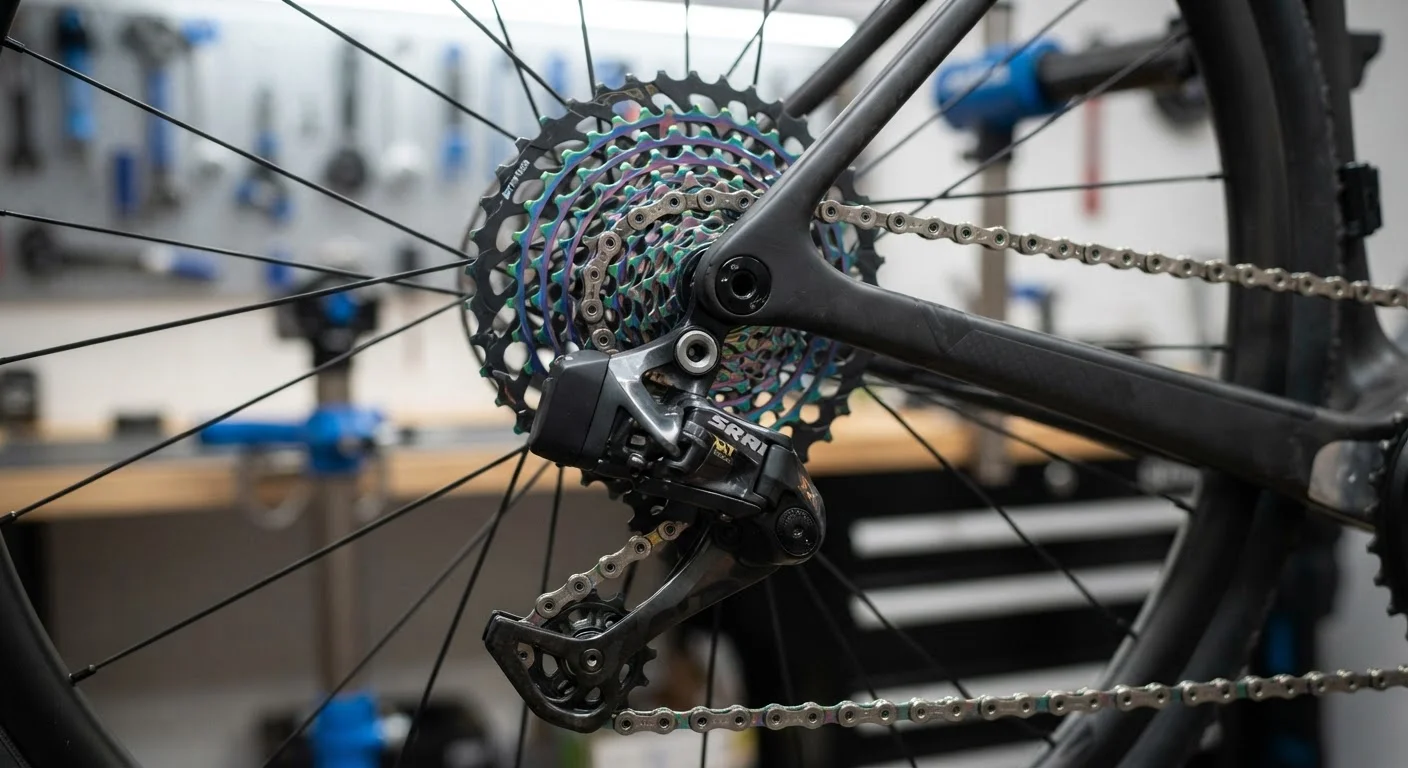
Measured drivetrain efficiency differences between mid-range and top-tier groupsets are real but extremely small - typically less than 1-2 watts under controlled conditions.
Laboratory testing has shown that a well-maintained mid-range drivetrain can perform almost identically to a top-tier equivalent in terms of power transfer. The primary advantages of premium groupsets tend to be reduced weight, more precise shifting feel, and durability under heavy use - not a dramatic efficiency leap. For most riders, keeping any drivetrain clean and properly lubricated will preserve efficiency far more reliably than upgrading to a more expensive tier. See our guide to component cascade effects for more on how drivetrain changes ripple through a build.
Myth
Carbon fiber components are always the right upgrade for performance.
Fact
Carbon fiber offers excellent stiffness-to-weight ratios, but its suitability depends heavily on the specific component, rider weight, riding style, and conditions.
Carbon handlebars, seatposts, and wheels can provide real performance and comfort benefits when spec'd correctly. However, carbon components are generally less tolerant of impact damage, over-torquing, and improper installation than aluminum equivalents. A carbon seatpost installed without a torque wrench, for example, is a known failure risk. For components like stems and handlebars that are critical to steering control, the right material choice depends on your use case - not simply what the lightest or most expensive option is. Understanding what bicycle wheels are actually made of is a useful starting point before committing to a wheel upgrade.
Myth
Upgrading components is the fastest way to improve your ride experience.
Fact
A professional bike fit and attention to contact points - saddle, grips or bar tape, and pedals - typically deliver more immediate and meaningful improvements than hardware upgrades.
Rider position affects both comfort and power output in ways that no groupset upgrade can replicate. A saddle that suits your anatomy, combined with correct handlebar height and reach, can reduce fatigue and injury risk far more than a lighter crankset. The same logic applies to clipless pedals versus flat pedals - the efficiency gain comes from technique and fit, not the hardware alone. Before planning a major upgrade, consider whether a bike fit assessment might address the discomfort or performance limitation you're trying to solve.
Myth
Any component upgrade is a straightforward bolt-on improvement.
Fact
Modern bicycle standards are fragmented, and many upgrades require additional parts or professional installation to work correctly.
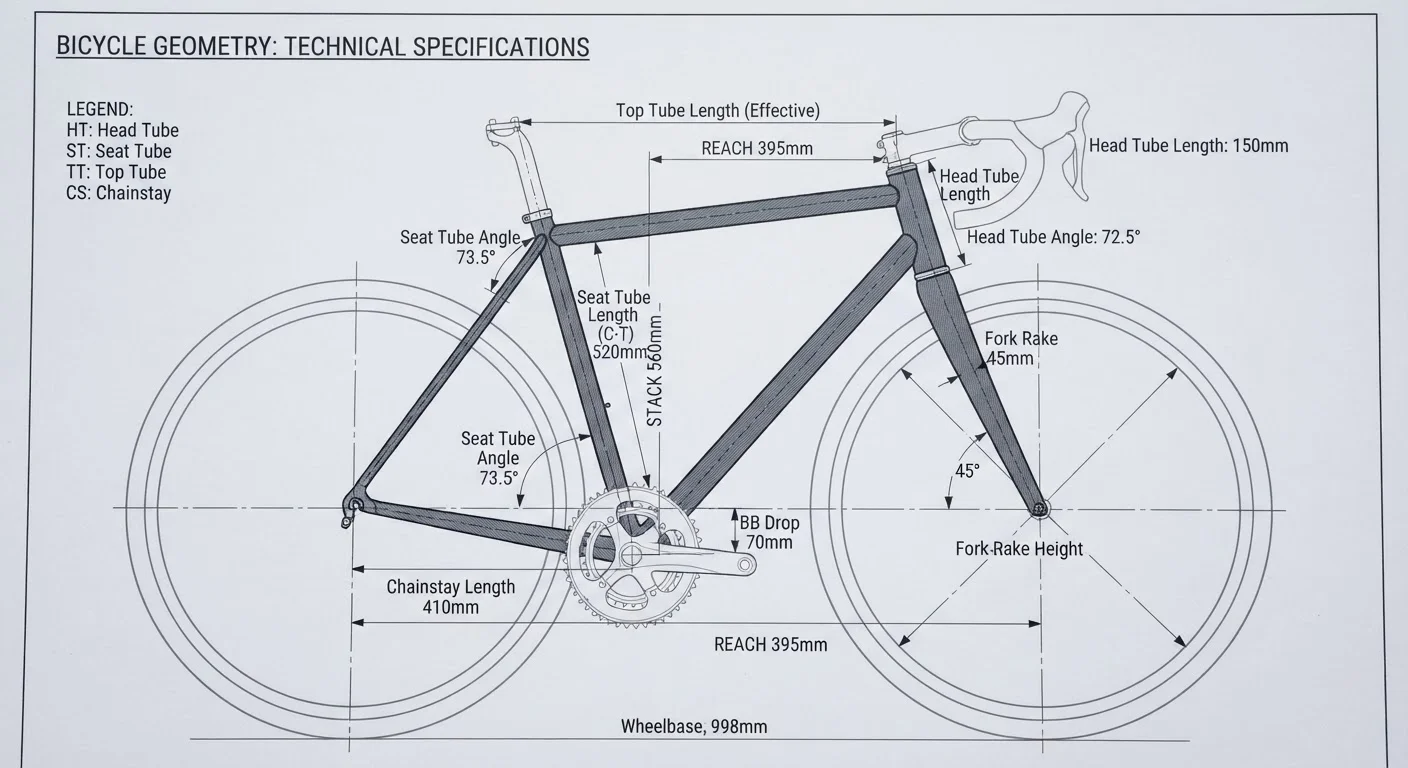
Bicycle manufacturing has proliferated numerous competing standards for bottom brackets, axle interfaces, brake mounts, and cable routing systems. A new crankset may require a different bottom bracket shell adapter; a new wheelset may need different cassette spacers or brake rotor sizes. This is the cascade effect in practice - one change exposes compatibility requirements elsewhere. Riders unfamiliar with these interdependencies can inadvertently create unsafe setups. If you're planning a significant component change, mapping out compatibility before purchasing will save both money and frustration.
Making Smarter Upgrade Decisions
None of this means component upgrades lack value - it means the value varies considerably depending on your starting point, riding goals, and what problem you're actually trying to solve. A worn drivetrain that skips under load is worth replacing regardless of tier. Wheels that are out of true or have cracked rims are a safety matter. But chasing weight savings or specification numbers without a clear performance goal is unlikely to produce satisfaction proportional to the cost.
Compatibility Before You Buy
Bicycle components are not universally interchangeable. Bottom bracket standards, derailleur hanger specifications, brake mount types, and wheel axle standards vary significantly across manufacturers and model years. Before purchasing any upgrade, verify full compatibility with your existing frame and components - or consult a qualified bike mechanic to avoid costly mismatches.
Riders considering their first major upgrade would benefit from an honest assessment of their current setup's condition, their own riding fitness and technique, and whether a bike fit has been performed recently. These factors typically have more leverage on ride quality than any single component. For those curious about how upgrade thinking applies beyond bicycles, the principles of managing component interdependency in performance builds translate across vehicle categories.
<2W
Drivetrain efficiency difference between groupset tiers
Controlled laboratory testing indicates top-tier and mid-range drivetrains differ by fewer than 2 watts of power loss under comparable conditions.
~80%
Resistance at speed attributable to aerodynamics
At speeds above roughly 15 mph, aerodynamic drag accounts for approximately 80% of a cyclist's total resistance, dwarfing the role of component weight.