One Change, Many Consequences
Every vehicle - whether a track-focused car, a touring motorcycle, or a performance bicycle - is engineered as a balanced system. Components are sized and matched to work within defined performance parameters. The moment you upgrade one element to operate beyond those parameters, adjacent parts that were previously adequate may suddenly become the weakest link.
This is the cascade effect: a chain reaction of revealed limitations. It's not a sign of poor engineering in the original vehicle - it's simply what happens when you shift the operating envelope. Understanding it before you begin is what separates a successful build from an expensive series of corrections. See our grounded starting point for first performance modifications for context on where most builds should realistically begin.
3-5x
Typical cascade component count per major upgrade
Industry builders and technical forums consistently report that substantive performance modifications - forced induction, suspension overhauls - require three to five supporting system changes to function safely and effectively.
~40%
Mid-build budget overruns from unplanned cascades
Automotive build communities frequently cite cascade-related surprises as a leading driver of budget overruns, often adding 30-50% to initial project estimates when not planned in advance.
Common Cascade Chains to Anticipate
Certain upgrade paths trigger cascade effects more reliably than others. Knowing the most common chains helps you plan for them rather than react to them.
Power Upgrades and Braking
Increasing engine output raises kinetic energy at speed. Brakes engineered for stock power levels may fade under harder, more frequent stops. Upgraded calipers, larger rotors, or higher-temperature brake fluid often become necessary - not optional - safety considerations once significant power gains are made.
Forced Induction and Cooling
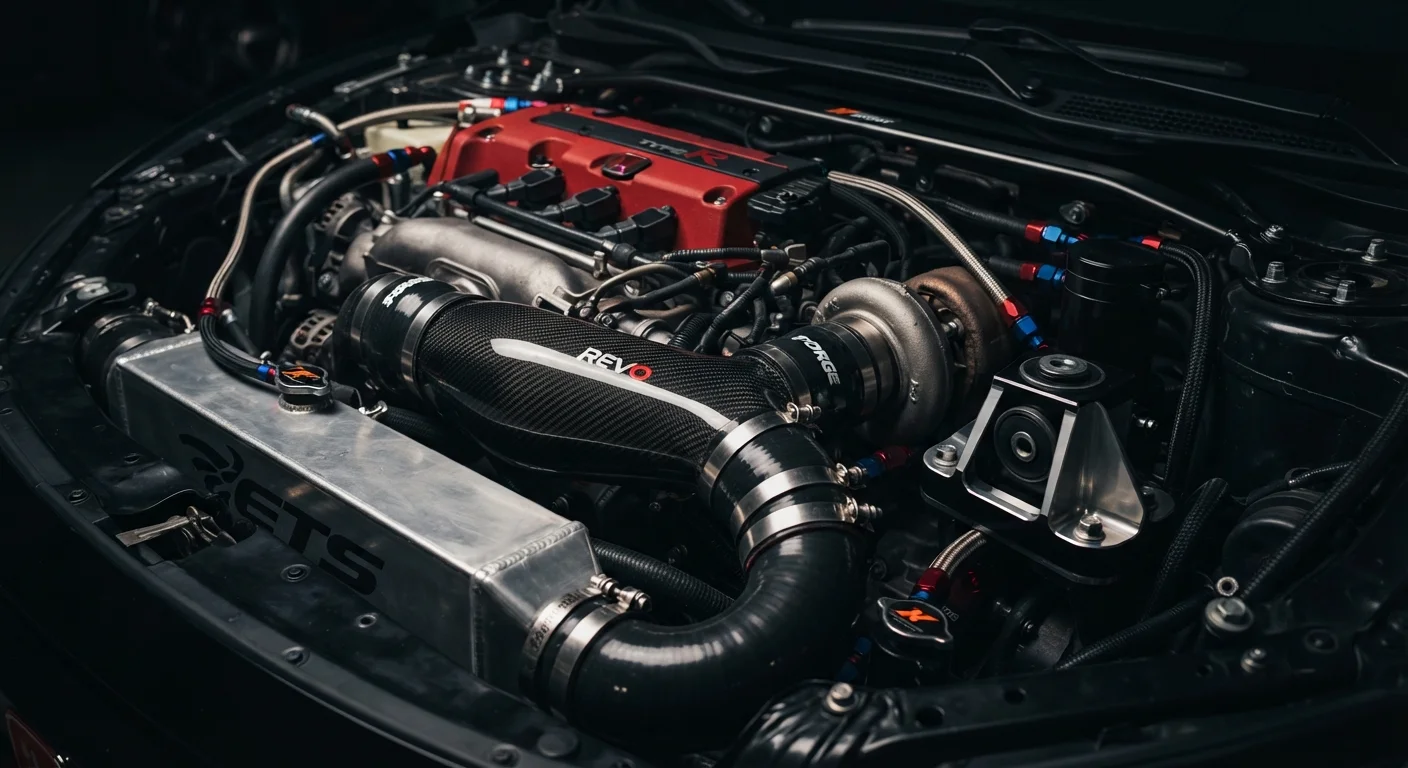
Adding a turbocharger or supercharger dramatically increases heat generated by the engine and intake charge. Stock cooling systems - radiators, intercoolers, oil coolers - may be undersized for sustained performance use. Thermal management is one of the first cascading demands forced induction creates.
Suspension and Tires
Lowering springs or upgraded dampers change geometry and cornering loads. Tires that performed well at stock ride height and alignment may wear unevenly or lose grip once those parameters shift. A proper alignment and tire assessment after suspension changes is essential, not optional.
Plan the Full Chain Before You Buy
Before purchasing any performance component, write out every system it directly interfaces with and research how builders at similar power or performance levels have addressed those systems. Forums, build threads, and qualified performance shops are invaluable here. Discovering a cascade requirement on paper costs nothing - discovering it after installation can cost significantly more.
The Hidden Cost of Skipping the Chain
Builders who upgrade for headline numbers - peak horsepower, spring rate, gear ratio - without addressing cascading demands don't just leave performance on the table. They accelerate wear on unprepared components and can create genuinely unsafe conditions. A powerful engine paired with inadequate braking isn't a performance build - it's a liability.
Rushed performance builds follow predictable failure patterns: mismatched components, overtaxed supporting systems, and unplanned mid-project expenses that dwarf what a systematic approach would have cost. The same pattern appears across vehicle categories. For bicycle enthusiasts, common myths about bicycle component upgrades often center on isolated gains - lighter cranks, faster cassettes - without considering drivetrain compatibility or frame stress.
The practical takeaway is straightforward: before purchasing any headline upgrade, map two levels deep. What does this component stress directly? What does that system stress in turn? That mapping exercise - done on paper before spending money - is the most valuable tool in any builder's process.