Why Category Shortcuts Feel Logical - But Aren't
When riders shop for a bike without a strong prior framework, they reach for the most familiar mental shortcuts: price, brand recognition, or a catch-all category label like "hybrid" or "sport." These shortcuts feel efficient, but they consistently lead to poor outcomes because bicycle categories are defined by engineering trade-offs, not price tiers. A bike designed for flat road endurance rides performs differently - and often worse - on broken trail surfaces, regardless of what it costs.
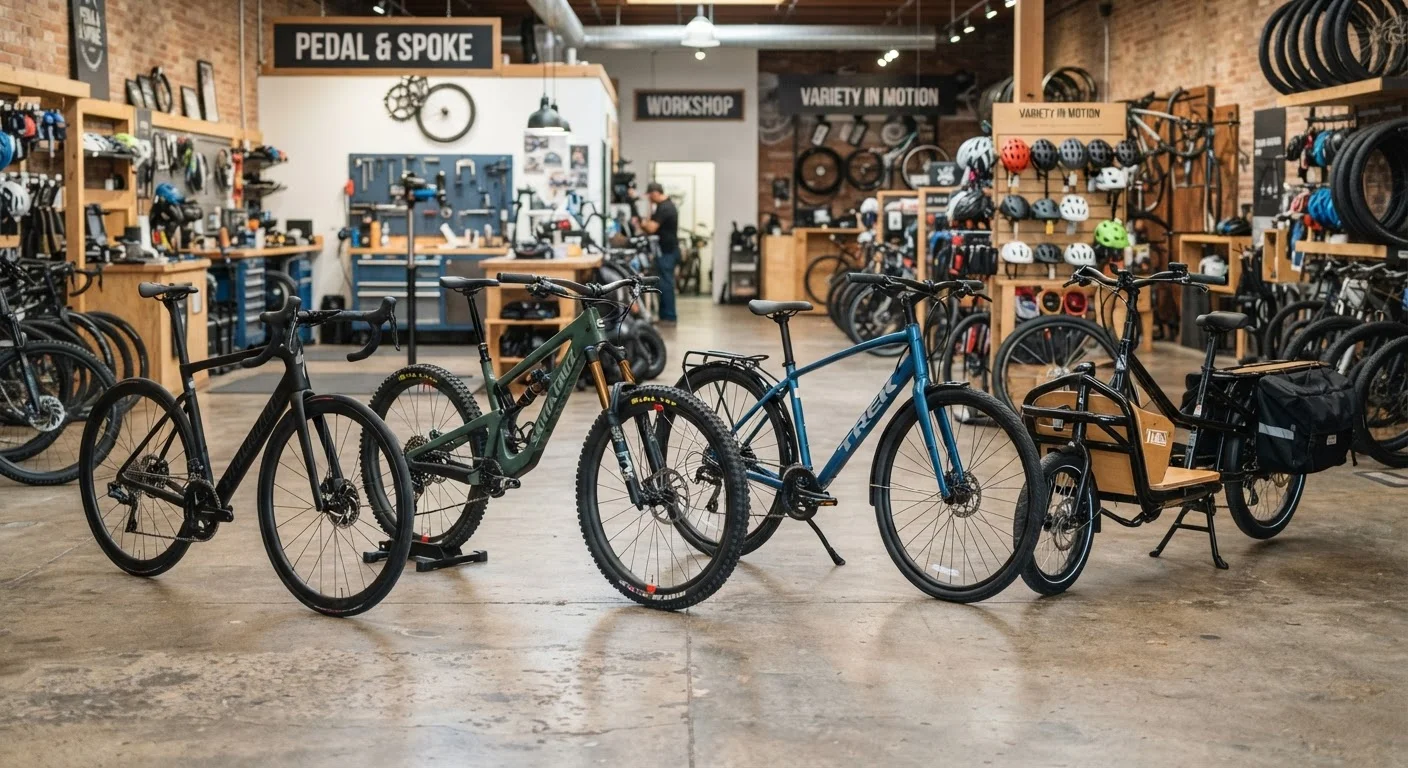
Understanding the full range of what's available is the foundational step. The bicycle style spectrum lays out every major category and what each is genuinely designed to do - a useful reference before making any category-level decision.
~60%
Riders who report using their bike differently than planned
Industry rider surveys consistently find that a significant share of cyclists end up riding terrain or distances they didn't anticipate when purchasing, underscoring the importance of realistic pre-purchase planning.
3-5 categories
Distinct bicycle styles most riders should evaluate
Cycling educators and shop staff typically advise new buyers to actively consider at least three to five distinct categories before narrowing down, rather than defaulting to the most familiar or affordable option.
The Mistakes Riders Make When Picking a Bike Style
Most category mismatches trace back to a handful of predictable errors. These aren't failures of research effort - they're the result of applying the wrong decision criteria from the start. Recognizing them before you shop is considerably cheaper than correcting them afterward.
Choosing a bike category based on sticker price rather than intended use.
Why it happens: Budget is a concrete, easy-to-anchor decision point, so riders naturally filter by price first. This can compress the category field to whatever happens to fall within a budget band, skipping the foundational question of fit-to-purpose.
Assuming a hybrid bike is the universally safe default for any uncertain rider.
Why it happens: Hybrids are marketed as versatile, and that framing encourages riders who feel unsure about their needs to treat them as a risk-free choice. In practice, "versatile" means moderate performance across several conditions, not strong performance in any of them.
Conflating visually similar bike styles as functionally interchangeable.
Why it happens: Gravel bikes, cyclocross bikes, and road bikes can look nearly identical to the untrained eye, leading riders to assume differences are cosmetic or marketing-driven rather than engineering-driven.
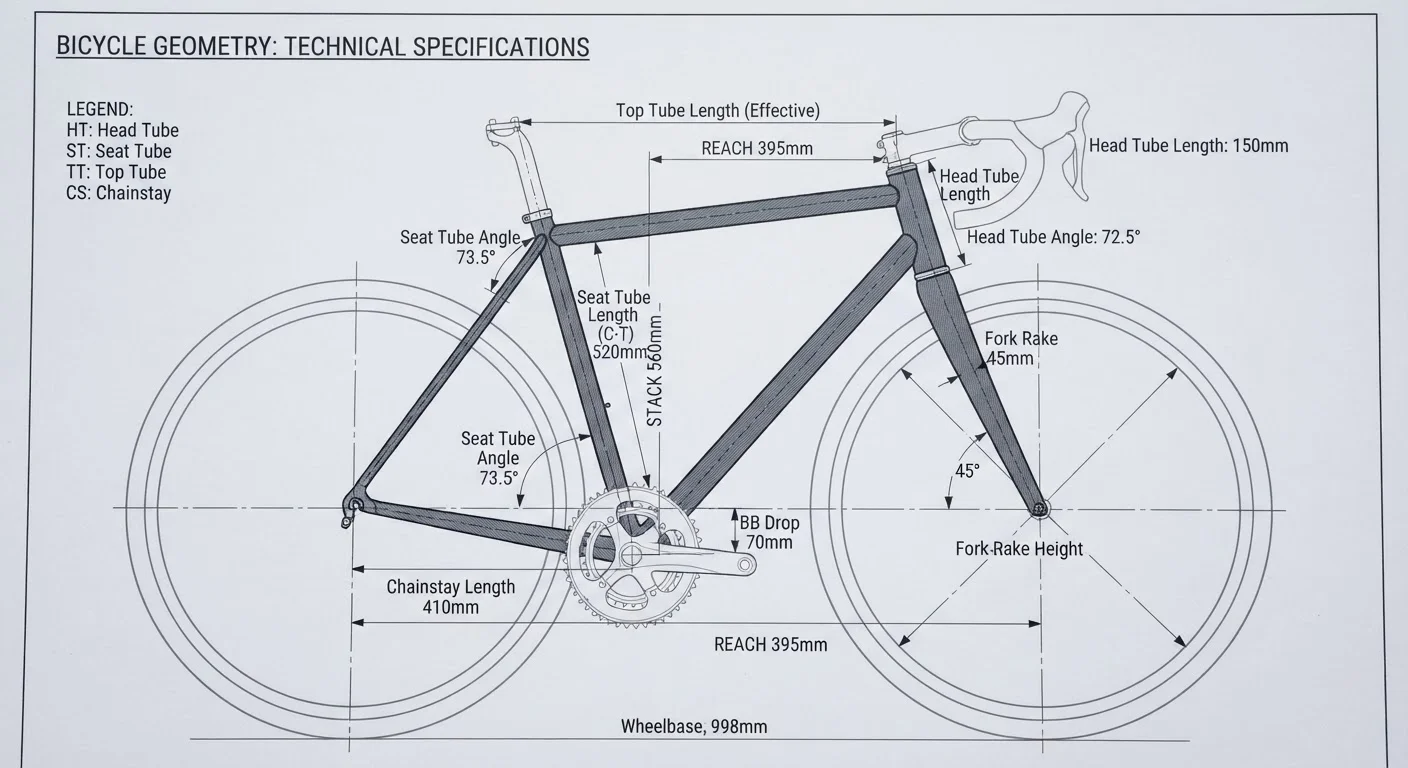
Ignoring body geometry and fit requirements when selecting a category.
Why it happens: Riders often prioritize component specs or aesthetics, treating fit as something that can be dialed in post-purchase. Some category differences - particularly riding posture - cannot be corrected with saddle or stem adjustments alone.
Treating specialty bikes as too niche to be worth considering.
Why it happens: Category names like BMX, trials, or cargo bike signal a narrow use case, so riders who don't identify as enthusiasts in that discipline dismiss them without investigation. In some cases - particularly cargo bikes for car-free households - a specialty bike is the most practical choice.
Category Mismatch Costs More Long-Term
Buying the wrong bike style doesn't just create frustration - it often leads to a second purchase sooner than expected. A bike used outside its design envelope wears faster and performs worse, compounding the original savings. Getting the category right the first time is a more efficient investment of your budget, regardless of price point.
Building a Better Category Decision
A reliable category selection starts with honest answers to a short set of questions: Where will you ride most often - paved, gravel, technical trail, or urban mixed? How far and how frequently? Do you need to carry cargo, or is speed efficiency the priority? Riders who answer these concretely before browsing inventory narrow the field to genuinely compatible options rather than a price-filtered grab bag.
"Hybrid" Doesn't Always Mean "Versatile Enough"
Hybrid bikes are designed for light mixed-surface use, not for demanding trail riding or high-speed road performance. Assuming a hybrid covers every use case because it sits in the middle of the price range can leave you underpowered on technical terrain and uncomfortable on long-distance paved routes. Honest assessment of your dominant terrain is more useful than defaulting to a middle-ground option.
If your routes vary significantly - commuting on roads but occasionally riding gravel paths - that mixed-terrain context deserves its own evaluation framework. Picking a bike style when you ride mixed terrain provides a practical approach for exactly that scenario. First-time buyers will also find the structured checklist in getting your first bike right useful for translating lifestyle factors into category preferences.
Components matter too, but only after category is settled - choosing the right shifting system or drivetrain for the wrong style of bike solves the wrong problem. Indexed vs. friction shifting is a relevant next read once your category is confirmed.