Why Saddle Selection Is More Science Than Preference
A bike saddle that works well for one rider can cause real discomfort for another - not because of build quality, but because saddle fit is anatomically driven. Unlike handlebar tape or pedals, a poorly matched saddle directly affects the soft tissue and sit bones that bear your weight on every ride. Before evaluating any specific saddle, it helps to understand what variables actually influence comfort, and which popular assumptions are misleading.
If you're still deciding on your overall bike setup, questions to ask before settling on a bike style can help frame how saddle requirements shift by riding category. Road, gravel, commuter, and mountain saddles serve meaningfully different purposes.
Test Before You Commit
Many bike shops and online retailers offer demo or trial programs for saddles, allowing you to ride on a saddle for a set period before purchase. A 30-minute shop test ride rarely replicates the pressure conditions of a two-hour effort. Seek out extended test opportunities whenever possible - saddle comfort reveals itself over time, not in parking lots.
The Four Variables That Drive Saddle Comfort
Understanding which physical properties to evaluate will narrow your options before you ever sit on a saddle.
Match saddle width to your measured sit bone width, not to a general size category.
Sit bone spacing varies significantly between riders regardless of body size or gender. A saddle that's too narrow creates pressure on soft tissue; one that's too wide causes inner thigh chafing over longer distances. Measurement eliminates most of this guesswork.
Evaluate saddle curvature and profile before focusing on padding thickness.
Padding compresses under load and offers less long-term comfort than a saddle shape that properly distributes pressure across your anatomy. A well-shaped saddle with moderate padding often outperforms a heavily padded one with mismatched geometry.
Consider center channel or cutout designs if you experience perineal or soft tissue pressure.
Saddles with a relief channel or central cutout reduce pressure on the perineal area and pudendal nerve, which can be significant during extended rides. Research has explored links between saddle pressure in this region and comfort on longer efforts.
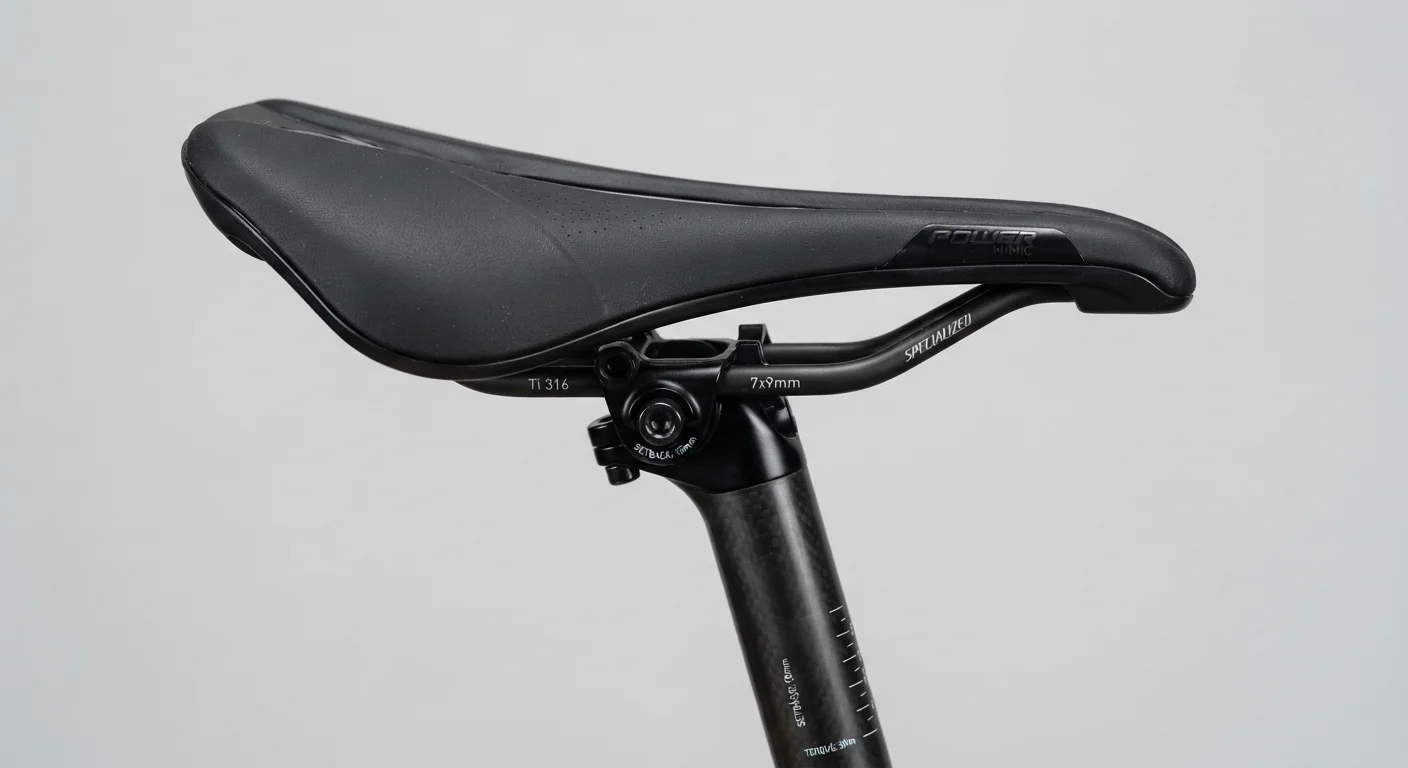
Choose rail material based on ride type and how much vibration damping you need.
Steel rails are durable and affordable but transmit more road vibration. Titanium and carbon rails offer greater compliance and reduced weight, which matters on longer or rougher routes. Rail material also affects seatpost compatibility, particularly with dropper posts.
Account for chamois or shorts padding when assessing saddle padding needs.
Riders who consistently wear padded cycling shorts or bibs already have a layer of cushioning between themselves and the saddle. Over-padding the saddle on top of chamois can create bunching and additional friction rather than comfort.
Riding Position Changes Everything
The same saddle can feel completely different depending on how upright or aggressive your riding position is. In an upright posture - common on city, hybrid, and comfort bikes - more body weight rests on the sit bones and perineal area, which generally favors a wider, flatter saddle with moderate padding. In a more forward-leaning road or gravel position, weight shifts toward the front of the pelvis, and a narrower, more curved saddle often reduces friction and pressure points.
This is why saddle selection can't be fully separated from bike fit. Riders on commuter e-bikes, for example, encounter very different pressure distributions than riders on drop-bar road bikes. What separates a comfortable e-bike commuter from a frustrating one often comes down to exactly these kinds of component-level decisions, saddle included.
143-155mm
Typical saddle width range for average sit bone spacing
Sit bone spacing and recommended saddle widths vary by individual anatomy and riding position; these ranges reflect common fitting guidelines used in bike fitting practice.
~45 min
Ride duration when pressure discomfort often becomes noticeable
Riders frequently report that saddle-related discomfort becomes apparent after sustained efforts of 45-60 minutes, making longer test rides more diagnostic than short ones.
Getting a Measurement Before You Spend
Sit bone width - measured in millimeters - is the most objective starting point for saddle selection. Many bike shops offer sit bone measurement tools (typically a foam or gel pad you sit on briefly), and the resulting number directly informs the minimum saddle width you need for adequate support. As a general principle, saddle width should allow both sit bones to rest fully on the saddle without hanging off the edges.
From that baseline, other factors like cutout preference, padding density, and rail material become refinements rather than guesses. If you're unsure where to begin, a qualified bike fitter can assess your position, flexibility, and anatomy in a single session - reducing the trial-and-error cost of buying and returning saddles.
Saddle Fit vs. Saddle Cushions
Aftermarket gel seat covers and cushion toppers are a different category of solution from a properly fitted saddle. They can provide temporary relief but often shift or bunch during longer rides and don't address the root cause of mismatched saddle geometry. If you're evaluating cushion-based solutions for other seating contexts, note that bicycle saddle fitting principles differ meaningfully from those for vehicle or stationary seating.