A structured checklist covering terrain, riding frequency, fit preferences, and practicality factors to consult before choosing a bicycle category.
Key Takeaways
Your primary terrain - pavement, gravel, or trail - is the single most decisive factor in bike style selection.
Riding frequency and distance shape how much efficiency, comfort, and durability actually matter to you.
Storage constraints and transport logistics can rule out entire bike categories before you consider geometry.
Body fit preferences, including posture and hand position, affect long-term riding satisfaction more than most riders anticipate.
Matching a bike style to your real use case prevents frustration and avoids unnecessary repurchasing.
Why This Checklist Exists
Most riders approach bike shopping by category name - mountain, road, hybrid - without first examining the underlying assumptions those categories carry. A mountain bike assumes trail riding. A road bike assumes smooth pavement and an aggressive forward lean. If your actual riding doesn't match those assumptions, the bike will work against you rather than for you.
This checklist is designed to surface the right questions before you invest in a style. Work through each group honestly. Your answers will narrow the field considerably, and you can cross-reference the full landscape of options in our overview of every major bicycle category once you have a clearer picture of your needs.
Don't Let Marketing Vocabulary Drive the Decision
Terms like "all-road" or "adventure" are marketing categories, not engineering standards. Two bikes sold under the same label can have meaningfully different geometries, tire clearances, and intended use cases. Use this checklist to define your requirements first, then evaluate how specific bikes measure up against your criteria - not the other way around.
How to Use This Checklist
Go through each group in order. For most items, there's no single correct answer - the goal is to build an honest profile of your riding context. Where items are marked must, treat them as non-negotiable filters. Items marked should are strongly worth resolving before you commit. Nice-to-have items add precision but won't typically make or break a decision.
Identify the primary surface you'll ride on most often - paved roads, hardpack gravel, loose dirt, or technical singletrack.Must
Note whether your routes include steep elevation changes that would demand a wide gear range or suspension travel.Must
Determine whether you'll encounter wet, muddy, or loose conditions that affect tire tread and clearance requirements.Should
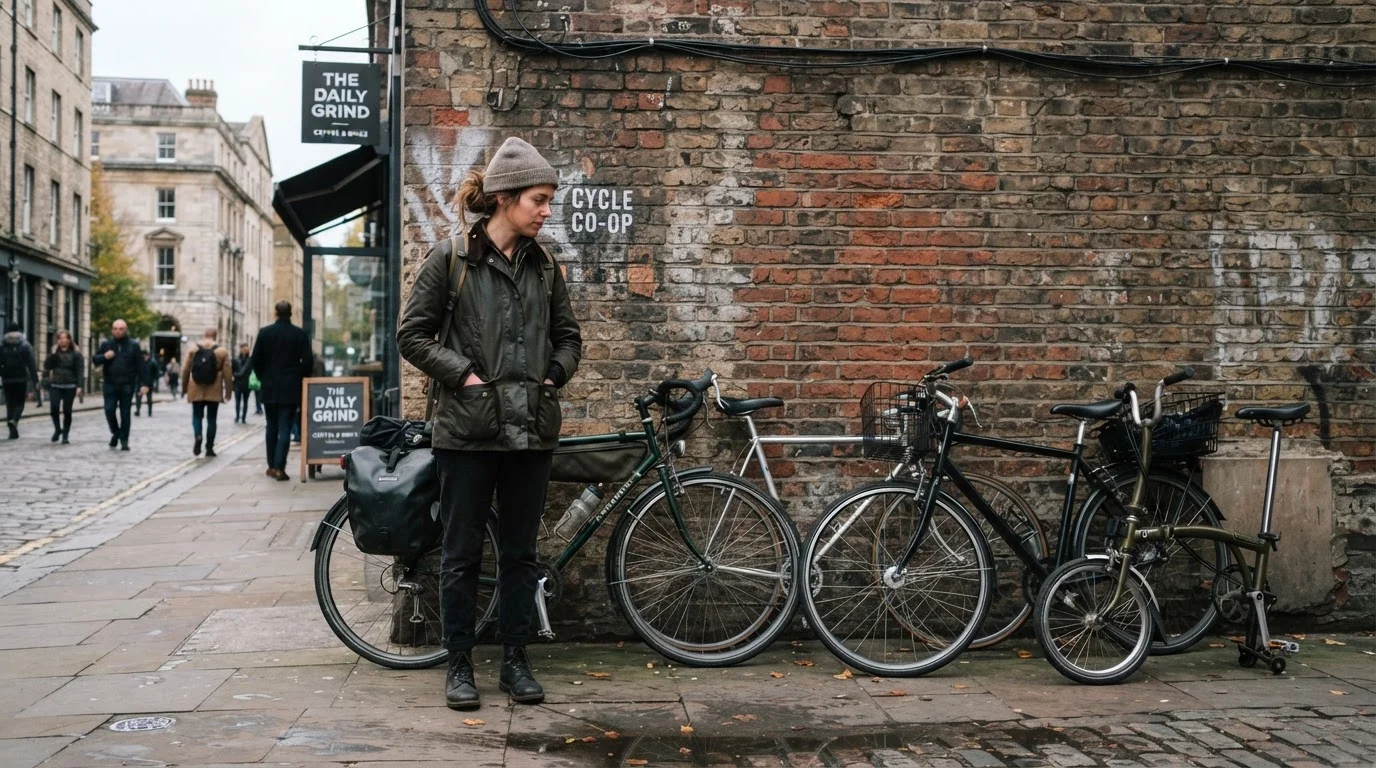
Consider whether riding will be urban - including curbs, potholes, and stop-and-go traffic - which affects geometry and tire volume.Should
Riding Purpose & Frequency
Define your primary use case: commuting, fitness riding, recreational exploration, competitive training, or a specific discipline like bikepacking.Must
Estimate how many days per week you realistically expect to ride, since durability and maintenance considerations scale with frequency.Must
Clarify your typical trip length - short utility trips under five miles have different requirements than multi-hour endurance rides.Must
Decide whether you plan to carry cargo, bags, or a child seat, as this affects frame compatibility and load capacity.Should
Fit, Posture & Comfort
Assess your preferred riding posture - upright and relaxed, neutral, or aggressive and forward-leaning - before settling on a geometry.Must
Consider any physical factors such as back, knee, or wrist sensitivities that may make certain geometries or contact points unsuitable.Must
Determine whether you prioritize hand position variety (as with drop bars) or a single stable grip (as with flat bars).Should
Think about saddle width preferences and whether you'd benefit from a more padded commuter saddle versus a performance-oriented shape.Nice to have
Practicality & Logistics
Measure your available storage space at home or work, since cargo bikes, full-suspension mountain bikes, and tandem styles require significantly more room.Must
Assess how you'll transport the bike - rack, truck bed, or transit - since weight and wheel size affect compatibility with carriers.Should
Determine whether the bike will need to be carried up stairs or into an elevator regularly, which makes weight a critical factor.Should
Consider whether you want the option to add motor-assist later, since e-bike conversion compatibility varies significantly by frame design.Nice to have
Skill Level & Growth
Honestly assess your current bike handling skills, particularly if considering technical styles like trail, enduro, or trials bikes.Must
Decide whether you intend to grow into a more demanding discipline, or whether you want a style that covers your needs without a steep learning curve.Should
Identify whether you plan to ride solo, with a group, or in organized events, as social riding contexts can steer you toward specific style conventions.Nice to have
Maintenance Commitment
Evaluate how much time and mechanical aptitude you're willing to invest in routine maintenance, since some styles (full-suspension, internal gearing, e-bikes) carry greater servicing complexity.Must
Check whether qualified service for your intended bike style is reasonably accessible in your area, particularly for specialized or motorized categories.Should
Consider whether you prefer simpler drivetrains - like single-speed or internally geared hubs - over multi-speed derailleurs for lower maintenance overhead.Nice to have
Reading Your Results
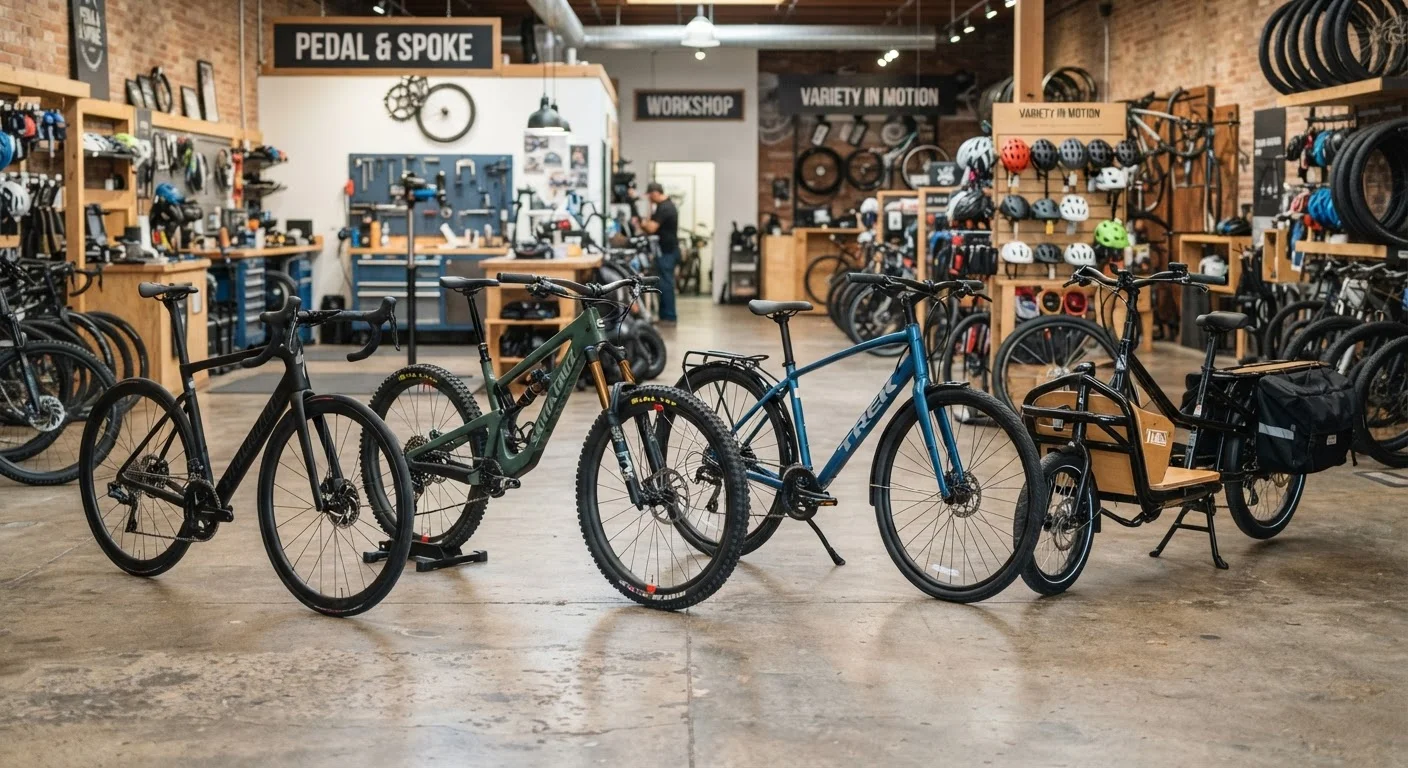
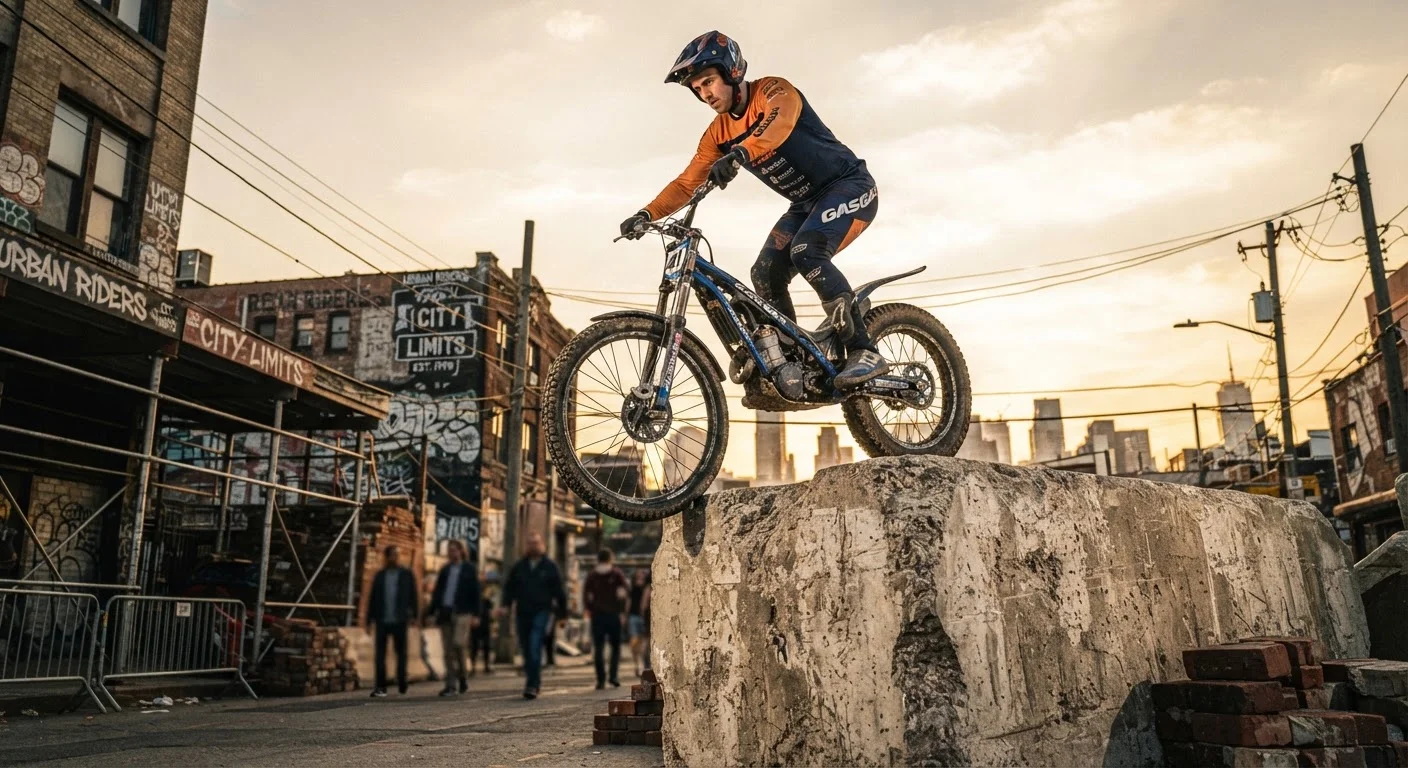
Once you've worked through the checklist, look for patterns. If most of your answers point toward varied surfaces, moderate distances, and upright comfort, a flat-bar hybrid or gravel-leaning bike likely fits your profile. If speed on pavement dominates, the road category warrants a closer look - along with decisions about handlebar type, since drop bars versus flat bars carry real consequences for posture and control. Riders weighing specialty disciplines like dirt jumping or trials should note that those styles are purpose-built and not interchangeable - see our guide to BMX, dirt jump, and trials bikes for that context.
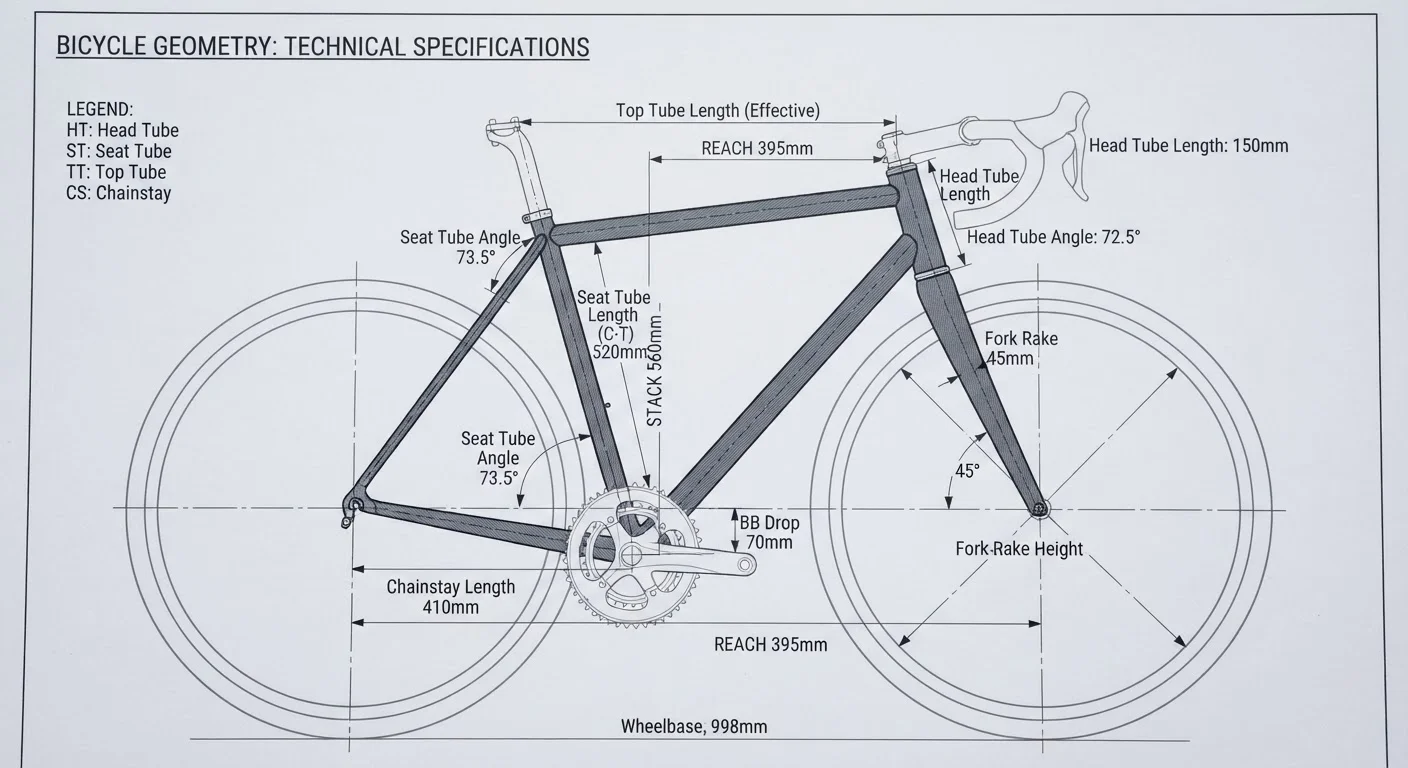
A bike in the right category but the wrong size will still cause discomfort and reduce control. Before finalizing any style decision, confirm that bikes in that category are available in a frame size appropriate for your body proportions. Frame geometry varies not just between styles but between manufacturers within the same style - treat fit as a parallel filter, not an afterthought.
Bicycles & E-Bikes Editorial Team is the collective byline for our editorial team and contributor network. Articles published under this byline or an editorial pen name are researched, written, and reviewed according to our editorial standards for clarity, consistency, and independence before publication.
The content on this site is for informational purposes only and is not a substitute for professional advice. Always consult a qualified professional for guidance specific to your situation.