Why the Differences Add Up Fast
Commuting on an e-bike daily exposes every design compromise in a way that weekend riding rarely does. A slightly aggressive saddle, a headlight that drains a separate battery, or a motor that surges unpredictably in stop-and-go traffic - each issue feels minor in isolation. Stacked across five days a week, they become genuine deterrents. The gap between a comfortable commuter e-bike and a frustrating one isn't usually one dramatic flaw; it's an accumulation of specification choices that either work together or work against the rider's context.
Understanding what separates these two experiences means looking past motor wattage and top speed - the figures most prominently marketed - and examining the details that govern daily usability. See why city and commuter bikes are designed the way they are for the broader design logic that underpins the category. Below are the factors that consistently make the most practical difference.
Frame Geometry and Riding Posture
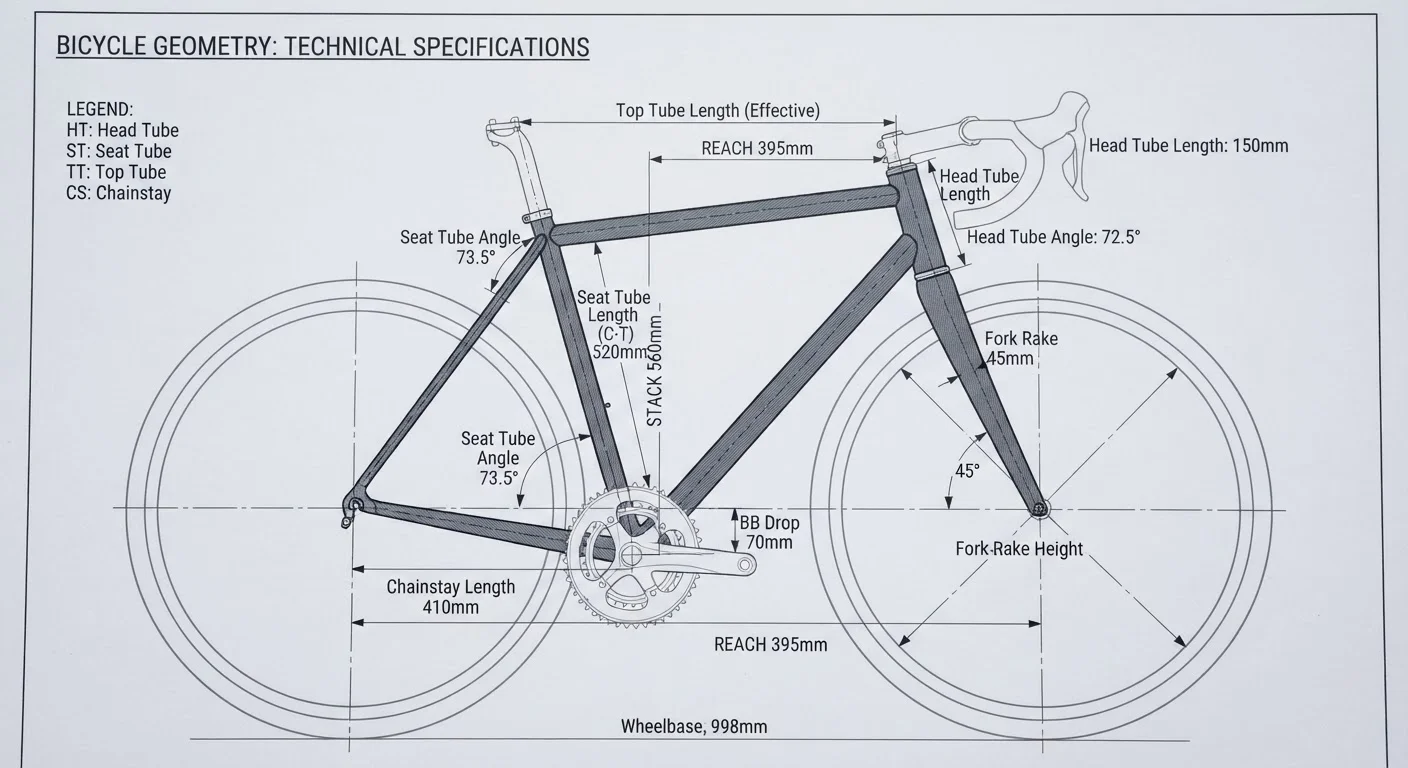
Commuter-specific geometry prioritizes an upright riding position - a higher stack height and shorter reach than you'd find on a sport or fitness e-bike. This keeps the rider's weight distributed comfortably, reduces neck and lower-back strain on longer rides, and improves forward visibility in traffic. Step-through and low-step frame designs also matter for riders who stop frequently, making mounting and dismounting at intersections significantly easier. An e-bike borrowed from a gravel or hybrid platform may technically function as a commuter, but its geometry will typically demand more from the rider's body over time.
Upright geometry reduces neck and lower-back strain - critical across a daily five-day commute.
Motor Placement and Assist Feel
Mid-drive motors - positioned at the bottom bracket - distribute weight centrally and provide assist that responds to pedal torque, producing a more natural, balanced feel. Hub motors (typically rear-wheel) are generally simpler and less expensive, but some produce assist that feels abrupt, particularly when pulling away from a stop. For stop-heavy urban routes, the smoothness of assist engagement matters considerably. Beyond motor position, the assist tuning and available modes shape day-to-day experience: a system with five granular modes gives the rider far more control over exertion and battery draw than a system limited to two or three broad levels.
Mid-drive motors respond to pedal torque, producing a more natural feel in stop-and-go traffic.
Battery Capacity Matched to Real-World Range
Advertised range figures are typically generated under favorable conditions - flat terrain, mild temperatures, low assist levels, and a lighter rider. Real-world commute range can be meaningfully lower, especially in cold weather, on hillier routes, or when using higher assist modes regularly. A useful rule of thumb is to identify your actual round-trip distance and look for a battery that comfortably covers it at your expected assist level, with a meaningful buffer remaining. Capacity is measured in watt-hours (Wh); a 500Wh battery will generally support longer or more demanding commutes than a 400Wh unit, though riding style influences this substantially.
Real-world range can fall well below advertised figures - factor in hills, temperature, and assist level.
Integrated Lighting and Visibility
Battery-powered clip-on lights are adequate for occasional riders; for daily commuters - especially those riding in low-light conditions during winter months - lights wired into the e-bike's main battery are a meaningful upgrade. Integrated lighting eliminates charging a separate accessory, reduces the risk of forgotten lights, and typically provides more consistent output. Front lights powered from the main battery often deliver stronger lumen output than even quality clip-ons, and integrated rear lights visible at distance improve safety without added complexity. This is one area where purpose-built commuter e-bikes tend to differentiate themselves clearly from recreational models adapted for city use.
Integrated lighting eliminates the forgotten-light risk and typically delivers more consistent output.
Fenders, Racks, and Cargo Readiness
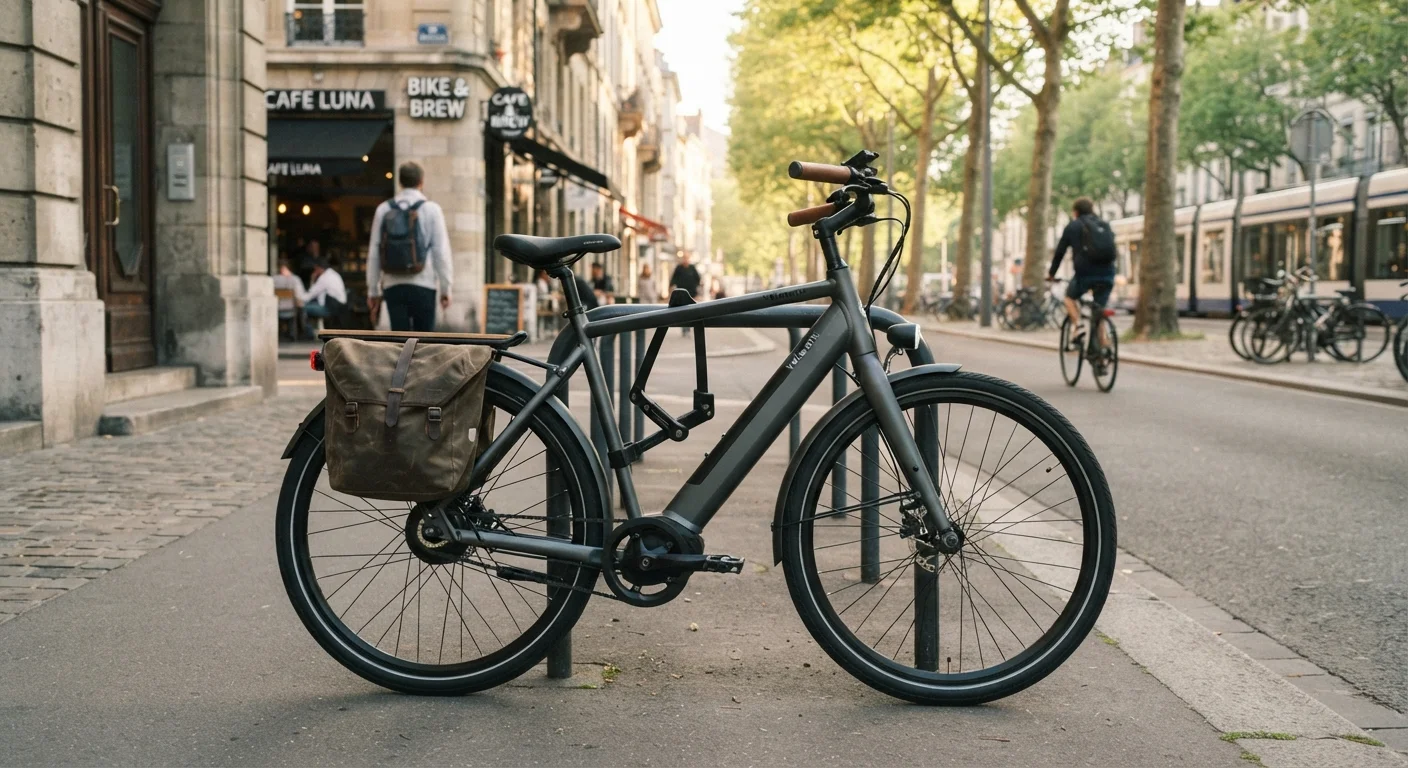
Full-coverage fenders aren't a luxury for a commuter - they're a practical necessity on wet roads. Partial fenders deflect some spray; full-length fenders protect both the rider and drivetrain components more effectively. Similarly, a rear rack with a rated payload capacity matters for anyone carrying a bag, groceries, or work gear. Check whether mounting points are integrated into the frame or require an add-on adapter, since aftermarket solutions vary in stability. The right accessories extend the bike's everyday usefulness considerably. Riders considering heavier cargo loads may also want to review how cargo e-bikes differ from standard models.
Full-coverage fenders and a rated rear rack transform an e-bike from recreational to genuinely commute-ready.
Tire Width, Tread, and Puncture Resistance
Tire choice has a disproportionate effect on ride comfort and confidence. Wider tires - generally 40mm and above - absorb road imperfections more effectively and provide additional grip, which matters on painted road markings and metal grate surfaces common in urban environments. Puncture-resistant tires with a reinforced belt layer reduce the likelihood of a flat mid-commute, which is a qualitatively different problem on an e-bike (heavier, harder to push) than on a standard bicycle. Semi-slick tread patterns balance rolling efficiency on pavement with enough texture to handle occasional wet or loose surfaces. For riders on mixed routes, see picking a bike style for mixed terrain.
Puncture-resistant tires are especially worthwhile on e-bikes - a flat mid-commute is significantly harder to manage.
Braking Performance and Drivetrain Reliability
Hydraulic disc brakes provide consistent, modulated stopping power in wet conditions and require less lever force than mechanical disc or rim brake systems - both meaningful considerations on a heavier e-bike traveling at assist-boosted speeds. Cable-actuated mechanical disc brakes are serviceable and easier to adjust at home, but they require more frequent maintenance to maintain performance. On the drivetrain side, internal gear hubs (IGH) are increasingly common on commuter e-bikes; they require less maintenance than derailleur systems, allow shifting while stationary, and are better protected from rain and road debris. Riders who prefer simplicity and lower maintenance burden often find IGH drivetrains worth the added weight. See bicycle components for broader guidance on evaluating drivetrain options.
Hydraulic disc brakes and internal gear hubs both reduce maintenance burden and improve wet-weather reliability.
Saddle Fit and Contact Point Comfort
An e-bike's motor handles propulsion effort, but the saddle still carries the rider's weight for the entire commute. A stock saddle is frequently a compromise - sized and padded for a broad average rather than any specific rider. Width, padding density, and channel design all interact with individual anatomy in ways that vary considerably between riders. This is worth addressing early rather than tolerating discomfort and assuming it will resolve. For a thorough breakdown of what to evaluate, saddle selection factors that actually matter covers the specific variables in detail, including rail material and sit bone width measurement.
A poorly fitted saddle is one of the most common and most addressable sources of commuting discomfort.
Putting It Together Before You Commit
No single factor here is decisive on its own - they interact. A well-tuned mid-drive motor is less useful if the geometry forces an uncomfortable posture. Adequate battery range matters less if the bike lacks fenders and arrives at work soaked from a puddle. Treat these considerations as a checklist to work through against your specific route, distance, and infrastructure, not as a universal ranking.
Test Under Realistic Conditions
If possible, test-ride a commuter e-bike on a route that approximates your actual commute - including hills, surface types, and stops - rather than a short flat loop. Many e-bike retailers offer extended test rides, and the difference between a smooth assist feel and a jerky one becomes immediately apparent under realistic conditions. Pay attention to how the bike behaves at low speeds when pulling away from stops, not just at cruise speed.
For a wider look at the practical realities of daily e-bike ownership beyond specs, weighing the trade-offs before you commit offers a grounded overview. And if your commute occasionally takes you off paved paths, picking a bike style for mixed terrain can help you frame that decision clearly.