Start With Body Style: Sedan vs. Coupe
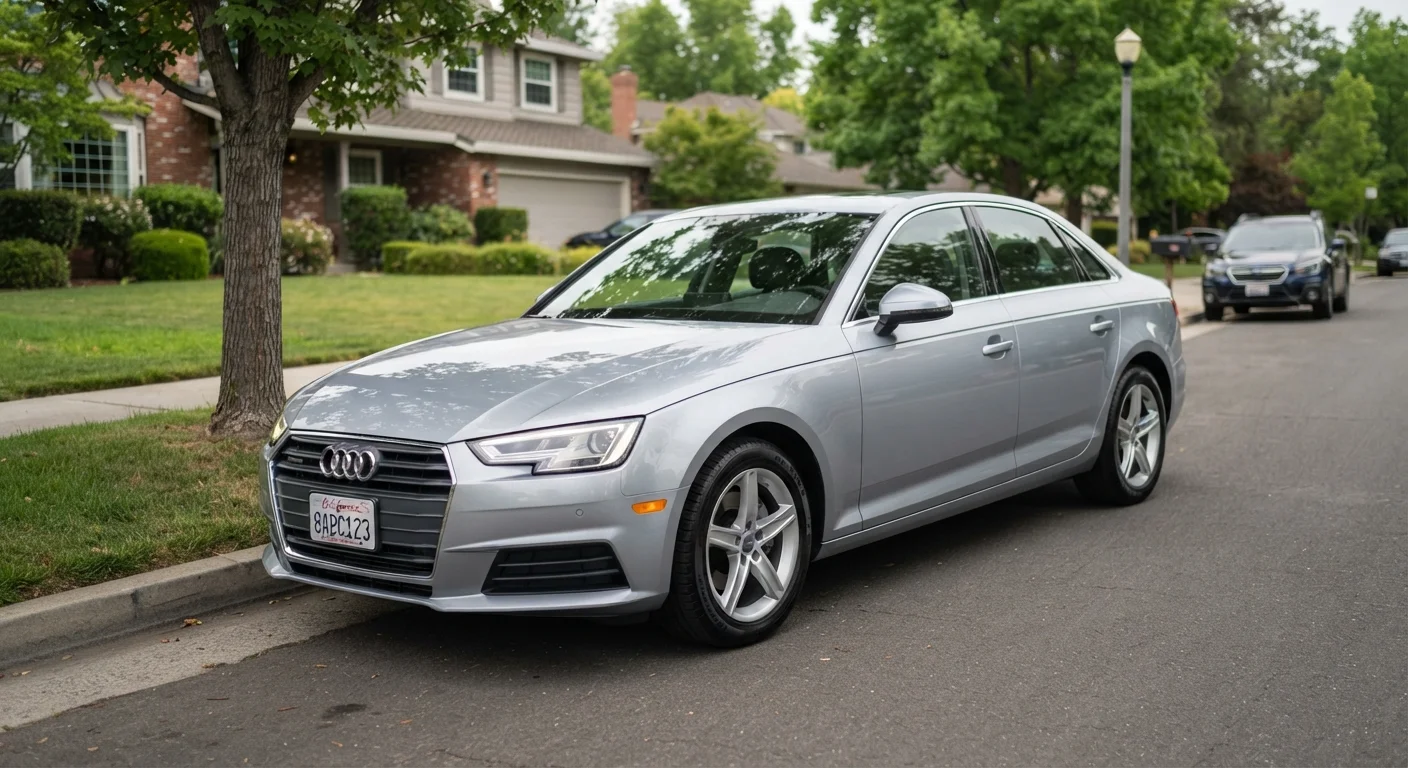
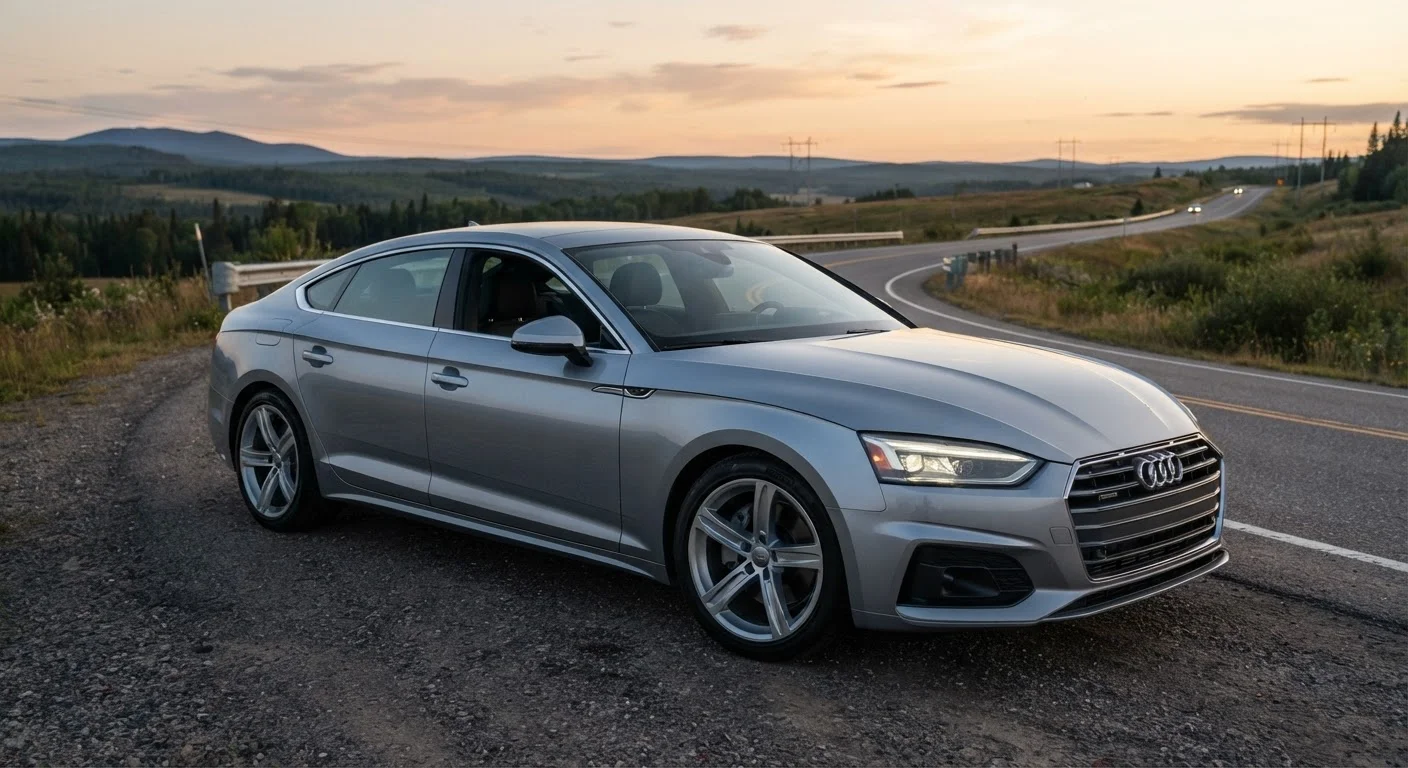
Before evaluating powertrain specs or safety scores, establish which body style fits your life. A sedan - defined by its three-box silhouette and four doors - prioritizes accessibility and passenger capacity. A coupe shares the same platform in most cases but sacrifices rear-door entry and often rear headroom for a sportier roofline and tighter proportions.
The practical differences are real. Rear-seat ingress in a coupe demands a physical compromise from passengers, which becomes a significant inconvenience with children, older adults, or frequent commuters in the back. Sedans also typically post a taller rear greenhouse, improving outward visibility. For most everyday drivers, the sedan format wins on utility. For those prioritizing driving dynamics and aesthetics over practicality, a coupe is worth the trade-off.
If you're still weighing sedans against taller vehicles, our Sedan vs. SUV comparison breaks down what each body style genuinely delivers beyond marketing language.
Sit in the Back Seat First
When evaluating any sedan, start your in-person assessment by sitting in the rear seat, not the driver's seat. Rear headroom and legroom are where sedans and coupes diverge most sharply, and budget constraints often limit your ability to choose a class up. This ten-second check can immediately eliminate models that won't work for your passengers.
Choosing the Right Sedan Class
Sedan size classes - compact, mid-size, and full-size - map directly to wheelbase, passenger volume, and trunk depth. Compact sedans (roughly 100-105 inches of wheelbase) excel in dense urban environments where parking space is limited and fuel economy targets are aggressive. Mid-size sedans add meaningful rear legroom and trunk capacity without a dramatic footprint penalty, making them versatile for mixed city-highway use. Full-size sedans prioritize interior volume and ride quality, often matching or exceeding mid-size SUV passenger space.
Don't let price alone drive this decision. A well-equipped compact can cost as much as a base mid-size, while the cabin experience differs substantially. Measure your rear-seat passengers, check how often you carry cargo, and test all three classes before committing. Our detailed breakdown of compact, mid-size, and full-size sedans explains what each class realistically delivers in daily use.
40-50 mpg
Typical combined EPA rating for full hybrid sedans
Full hybrid sedans in the compact and mid-size segments frequently achieve this range under EPA combined testing, offering a measurable efficiency advantage over non-hybrid variants.
40-60%
Share of total ownership cost from depreciation
Industry analysts estimate that depreciation accounts for roughly 40-60% of a vehicle's five-year ownership cost, making it the single largest expense for most new-car buyers.
100-105 in
Typical wheelbase range for compact sedans
Most compact sedans fall within this wheelbase band, a dimension that directly influences rear passenger legroom and overall parking footprint in dense urban environments.
Powertrain and Fuel Economy
Modern sedan powertrains range from turbocharged four-cylinders and naturally aspirated six-cylinders to full hybrids and plug-in hybrid electric vehicles (PHEVs). Each configuration involves trade-offs between performance, fuel efficiency, and long-term reliability.
Turbocharged four-cylinders now deliver outputs previously associated with larger engines, but they can carry higher maintenance costs and may feel strained under sustained load - relevant if you frequently drive in mountainous terrain or tow a small trailer. Hybrids reduce fuel costs meaningfully on stop-and-go commutes; EPA ratings show full hybrids often achieving 40-50 mpg combined in this segment. PHEVs add an all-electric range buffer but require access to charging infrastructure to realize their full efficiency advantage.
Transmission type also matters. Modern eight- and ten-speed automatics improve highway efficiency compared to older six-speed units. CVTs (continuously variable transmissions) maximize efficiency but can feel less responsive in spirited driving.
When comparing hybrid and non-hybrid variants of the same model, calculate the fuel cost difference against your actual annual mileage - not EPA combined figures. High-mileage commuters typically reach break-even faster than drivers averaging under 10,000 miles per year.
Hybrid premium pricing is fixed at purchase, but the fuel savings it generates scale directly with how many miles you drive annually. Many buyers overestimate their savings because they use best-case EPA ratings against their specific real-world driving pattern.
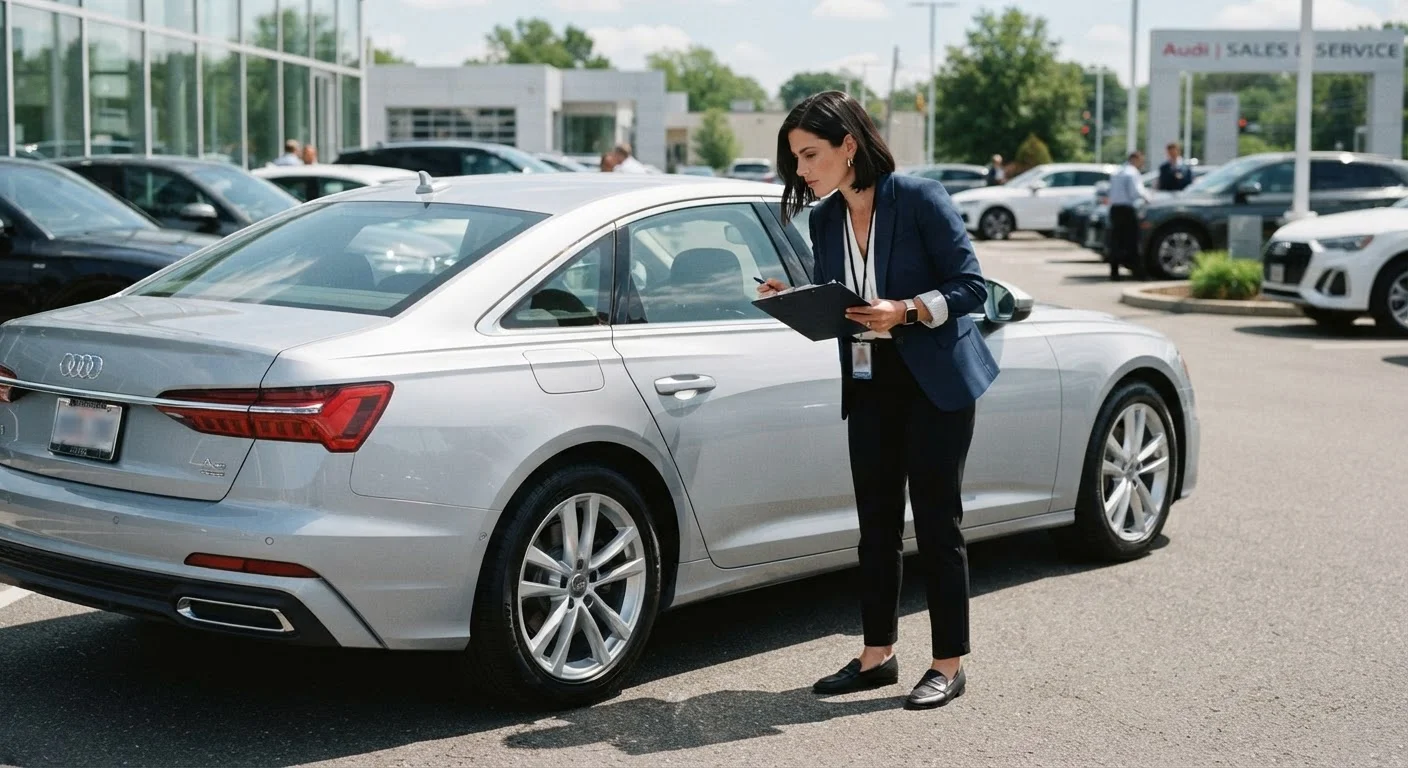
Request the window sticker for any specific vehicle you're considering and read the options list carefully - many dealer-added accessories inflate the price without meaningful value to the buyer.
Dealer-installed accessories such as paint protection film, wheel locks, or floor mats are frequently added to in-stock inventory and bundled into the transaction price. Understanding what's factory-standard versus dealer-added helps clarify the true vehicle value.
Safety Ratings and Driver-Assistance Technology
Two independent organizations publish crash-test data that should anchor any safety evaluation: the National Highway Traffic Safety Administration (NHTSA), which uses a five-star rating system, and the Insurance Institute for Highway Safety (IIHS), which awards Top Safety Pick and Top Safety Pick+ designations based on multiple crash modes and headlight performance. Cross-referencing both ratings gives a complete picture - a vehicle can score well in one system while underperforming in the other.
Driver-assistance technology varies dramatically by trim level, not just model. Forward collision warning, automatic emergency braking, lane-keeping assist, and adaptive cruise control are now common across most sedan segments, but the availability and calibration quality differ. Confirm which systems are standard versus optional on the specific trim you're evaluating, and test their real-world behavior during a pre-visit test drive checklist.
Check Both NHTSA and IIHS Ratings
Do not rely on a single safety rating organization when evaluating a sedan. NHTSA and IIHS use different test methodologies and evaluate different crash scenarios - a five-star NHTSA rating does not automatically translate to an IIHS Top Safety Pick+. Always look up both sets of results for the specific model year you plan to purchase, not the most recent tested year.
Long-Term Ownership Costs
Purchase price is the most visible cost but rarely the largest over a five-year ownership window. Depreciation typically accounts for 40-60% of total ownership cost in the first five years. Sedans as a category tend to depreciate faster than trucks and some SUVs in the current market, though individual models vary considerably based on brand reputation and supply dynamics.
Insurance premiums are tiered partly by safety ratings, theft rates, and repair cost data - factors entirely separate from the sticker price. Maintenance schedules, parts availability, and the density of qualified service centers in your region all affect out-of-pocket costs over time. Fuel type selection (gasoline, hybrid, PHEV) compounds or reduces these figures depending on your annual mileage and local fuel prices.
For a thorough breakdown of the costs most buyers overlook, see our analysis of what a sedan truly costs to own.
Depreciation Varies Significantly by Model
Category-level depreciation averages are a useful starting point but can mask wide variation between specific models. Some sedans retain value substantially better than the segment average due to strong brand loyalty, limited supply, or consistent quality rankings. Research residual value projections from automotive data providers for the specific model and trim you're considering, not just the segment average.
Interior Comfort and Cargo Practicality
Sedans deliver a fixed trunk - a sealed, weather-protected cargo area that protects valuables from view but limits the maximum volume of bulky items compared to a hatchback or SUV. Trunk depth and opening width vary more than you might expect across models in the same class; always measure against the specific gear you haul regularly.
Interior materials, seat adjustability range, and infotainment ergonomics are areas where premium and non-premium sedans diverge noticeably. Evaluate seat bolstering and lumbar support in the context of your longest typical drive, not just a brief showroom sit. Noise, vibration, and harshness (NVH) levels - how much road and wind noise enters the cabin - are harder to quantify from spec sheets but have a meaningful impact on daily comfort, particularly on highway commutes.
Drivers new to the segment can find a plain-language introduction to evaluating these dimensions through our first-time car shopping guide.
“The vehicles people enjoy most over five years are rarely the ones with the highest horsepower or the most features - they're the ones that fit the actual shape of the driver's life.”
— Cars & Trucks Editorial Team, Automotive editorial analysts covering vehicle selection and ownership
Making the Final Decision
A structured decision process prevents the common mistake of over-weighting a single attribute - a flashy infotainment screen or a headline horsepower figure - while underweighting factors that define day-to-day satisfaction. Build a weighted list of priorities before any dealership visit: passenger requirements, commute profile, budget ceiling (purchase and five-year operating cost), and must-have safety features.
Sedans remain a strong choice for the majority of single-driver and two-person households. For a broader perspective on why this body style continues to serve millions of drivers effectively, our feature on why sedans remain the default choice for everyday driving is worth reading alongside this framework.
Compare at least three models across two trim levels each, conduct structured test drives with a consistent evaluation checklist, and request out-the-door pricing alongside estimated insurance quotes before finalizing. Informed, methodical evaluation consistently produces better long-term satisfaction than reactive decisions made under showroom pressure.
This article is for informational and educational purposes only. Specifications, ratings, and pricing vary by model year, region, and trim level. Consult manufacturer documentation and independent testing organizations for the most current data.