
What You're Actually Comparing
The sedan-vs-SUV debate has dominated American showrooms for over a decade, but the conversation often gets clouded by marketing imagery and lifestyle aspiration rather than tangible differences. At their core, these are two distinct vehicle architectures solving different transportation problems.
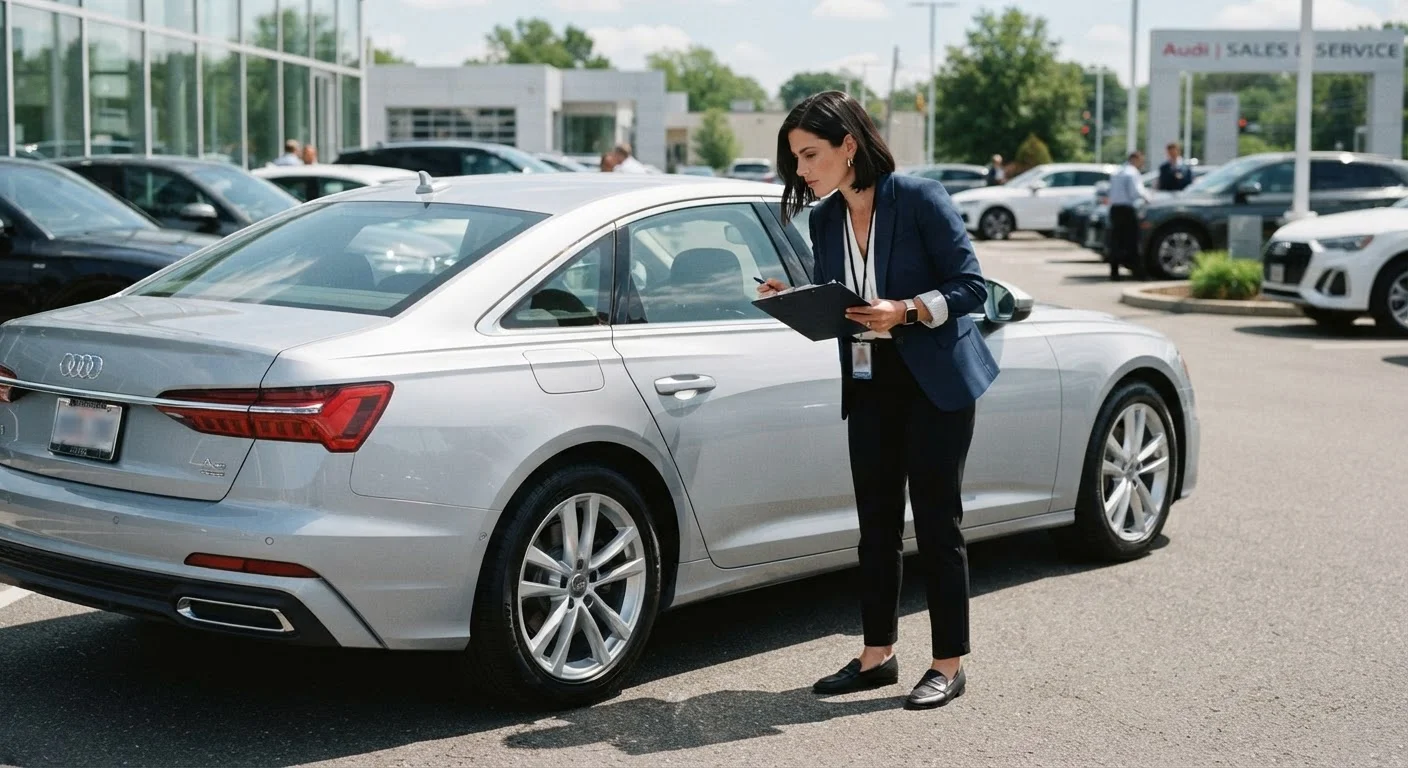
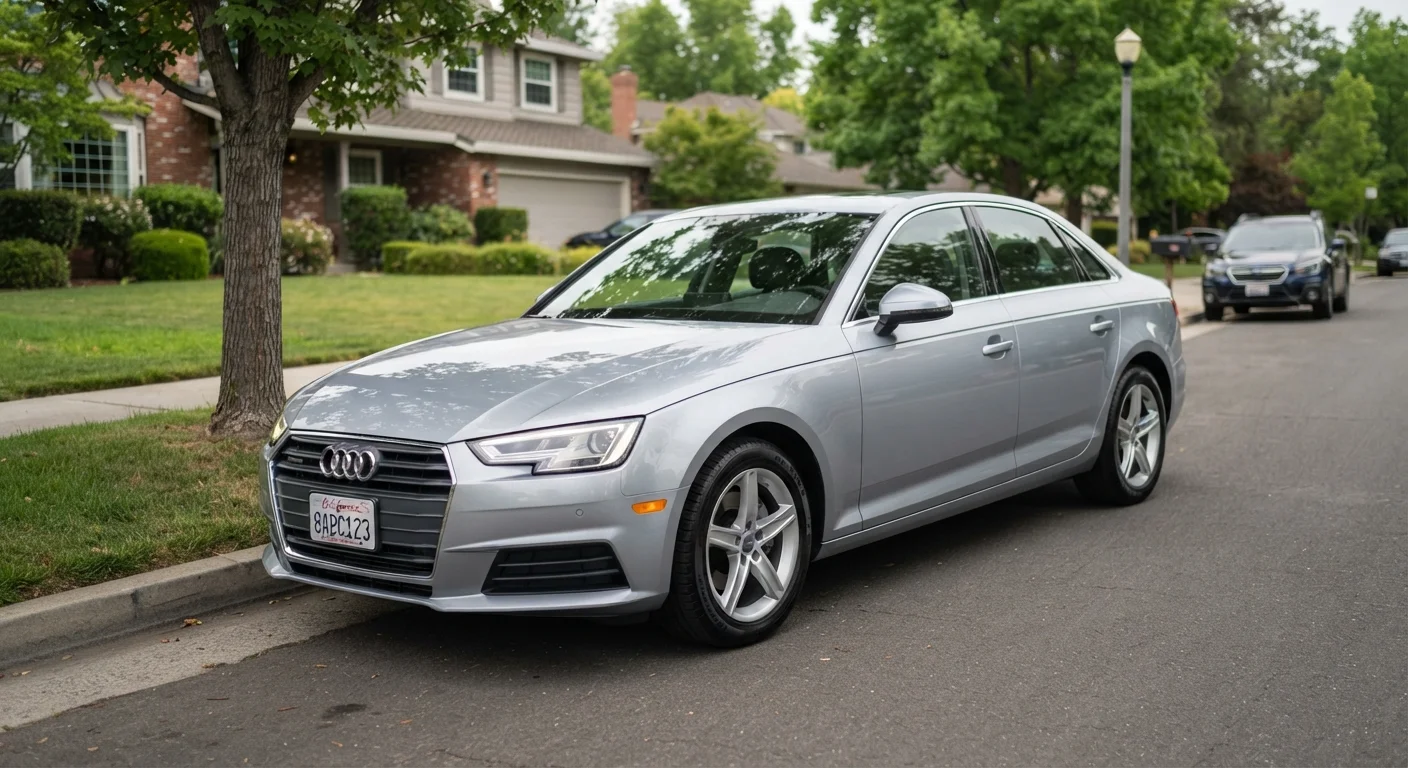
A sedan is defined by its three-box body structure - separate compartments for engine, passengers, and trunk - and a fixed roofline that typically seats four to five occupants. An SUV (Sport Utility Vehicle) features a taller, two-box body with an integrated cargo area and a liftgate, usually offering more headroom and cargo flexibility. For readers curious about how sedans further subdivide, our article on compact, mid-size, and full-size sedans breaks down where each class fits in real life.
It's also worth noting that many vehicles marketed as SUVs are technically crossovers - built on car-based unibody platforms rather than traditional body-on-frame construction. That distinction affects ride quality and capability more than the nameplate does. See our SUV vs. crossover comparison for the full structural breakdown.
| Criterion | Sedan | SUV |
|---|---|---|
| Typical fuel economy | Higher MPG on average | Lower MPG, varies by size |
| Cargo volume | 14-16 cu ft (fixed trunk) | 35-80+ cu ft (expandable) |
| Passenger capacity | Up to 5 | Up to 7-8 (three-row) |
| Towing capacity | Minimal or none | 1,500-8,500 lbs (varies) |
| Handling / dynamics | Lower CG, sharper response | Higher CG, more body roll |
| Entry/exit ease | Lower seating, more effort | Higher ride height, easier |
| Depreciation (general) | More consistent retention | Faster drop, especially luxury |
| Insurance costs | Generally lower | Generally higher |
| AWD availability | Limited, model-dependent | Widely available |
Fuel Economy, Handling, and Day-to-Day Driving
On fuel efficiency, sedans hold a measurable advantage. Their lighter curb weights and more aerodynamic profiles translate directly to better EPA ratings across equivalent powertrain configurations. For drivers logging significant highway or city miles, that gap compounds meaningfully over a year of ownership.
Handling is another area where sedans have a structural edge. A lower center of gravity reduces body roll in corners and improves stability during emergency maneuvers. New drivers transitioning to SUVs should be especially aware of these dynamics - our piece on SUV handling differences for new drivers covers what to expect when making that switch.
~5-10 MPG
Typical sedan fuel economy advantage over comparable SUVs
EPA combined ratings across equivalent powertrain classes consistently show sedans outperforming same-segment SUVs in fuel efficiency.
70-80 cu ft
Max cargo space in a mid-size SUV with seats folded
Manufacturer spec sheets for popular mid-size SUVs commonly report this range when rear seats are fully collapsed.
~15 cu ft
Average trunk volume in a mid-size sedan
Across widely available mid-size sedan models, trunk capacity generally falls in the 14-16 cubic foot range per manufacturer specs.
That said, modern SUV platforms - particularly crossovers - have closed much of the handling gap through independent rear suspension and lower ride heights compared to traditional truck-based SUVs. Neither body style is universally superior behind the wheel; the specific model matters as much as the category.
Cargo, Passengers, and Practical Utility
This is where SUVs genuinely pull ahead for families. A typical mid-size SUV offers 35-40 cubic feet of cargo space behind its rear seats, expanding to 70-80 cubic feet with seats folded. A mid-size sedan trunk averages 14-16 cubic feet - usable, but structurally fixed. You cannot fold a sedan's rear seat flat to haul furniture or sporting equipment with the same ease.
Passenger capacity follows a similar pattern. Two-row SUVs seat five comparably to sedans, but three-row configurations - examined in detail in our guide to three-row SUVs - extend that to six or seven occupants, something no sedan can match.
Crossover vs. SUV: A Cargo Nuance
Not all SUVs are equal in cargo capacity. True body-on-frame SUVs often sacrifice interior volume to their platform architecture, while unibody crossovers can maximize cabin space more efficiently. Always check the specific model's cargo specs rather than assuming segment membership guarantees a certain load capacity.
Towing is another SUV advantage, though the range is wide. A compact crossover may be rated for only 1,500 lbs, while a full-size SUV can exceed 8,000 lbs. Most sedans are rated for 1,000 lbs or less - or carry no tow rating at all.
Ownership Costs and Long-Term Value
Purchase price, fuel, insurance, and depreciation all factor into the true cost of ownership. Sedans generally carry lower sticker prices at equivalent trim levels and cost less to insure due to lower repair costs and favorable actuarial profiles. Our editorial on overlooked sedan ownership costs explores how depreciation and insurance ratings shape the real numbers.
SUVs have faced steeper depreciation curves in several segments - particularly luxury models. For a structured look at how SUV values erode over time, the SUV lifecycle and depreciation analysis is worth reading before committing to a purchase.
Neither category guarantees better value - specific models within each segment vary considerably. The key is to evaluate total cost of ownership rather than sticker price alone. For readers still weighing sedan-specific decisions, our full sedan buyer's framework offers a comprehensive decision structure covering powertrain, safety, and long-term costs.