The Core Question: What Kind of Work Are You Doing?
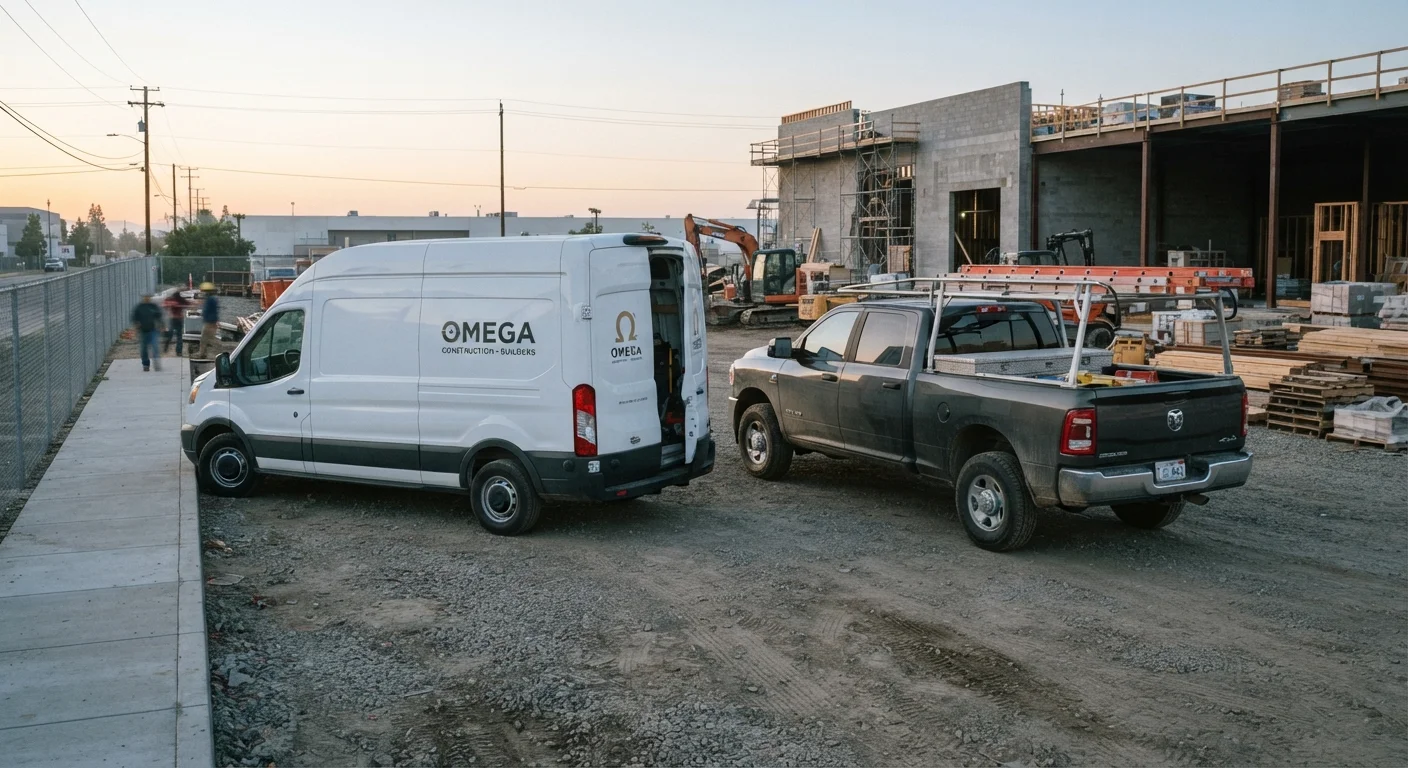
Before weighing specs, the most productive question is deceptively simple: what does your typical workday look like? A mobile locksmith making twenty service calls across a metro area has fundamentally different needs than a framing crew hauling dimensional lumber to a new construction site. Both operators need a capable work vehicle - but the right answer diverges sharply from there.
Cargo vans and pickup trucks occupy distinct utility niches. Understanding where those niches overlap - and where they don't - is the foundation of a sound fleet or owner-operator decision. For a deeper look at what the pickup experience feels like day-to-day, see our honest assessment of trucks as daily drivers.
Cargo Security, Access, and Weather Protection
One of the most underappreciated advantages of a cargo van is its enclosed body. Tools, materials, and finished goods sit behind lockable rear and side doors, protected from weather, opportunistic theft, and prying eyes. For skilled tradespeople whose inventory of power tools and specialized equipment represents significant capital, this matters considerably.
Pickup trucks expose bed contents to the open air by default. Bed covers, toolboxes, and locking bed rails help, but none match the inherent security of an enclosed cargo compartment. Conversely, trucks win decisively on access for bulky or awkward loads - dropping the tailgate and sliding materials in beats negotiating an oversized piece through van doors every time.
Van Upfitting Pays Off Over Time
A well-configured van interior - shelving, partition, and drawer systems tailored to your trade - can meaningfully reduce time spent searching for tools and materials on the job. Upfitting costs vary widely but are often recouped through improved daily efficiency. See what fleet buyers and sole traders often overlook when choosing cargo vans for guidance on interior fit-out flexibility.
Van upfitting - installing shelving, partition walls, and drawer systems - transforms a bare cargo compartment into an organized rolling workshop. These configurations can be highly trade-specific. See what fleet buyers and sole traders often overlook when choosing cargo vans for guidance on interior fit-out flexibility.
Payload, Towing, and the Numbers That Matter
Gross vehicle weight rating (GVWR) and payload capacity determine how much your vehicle can legally and safely carry. Full-size cargo vans typically offer payload ratings in the 2,000-4,000 lb range depending on configuration, while full-size pickup trucks - particularly heavy-duty variants - can exceed 4,000 lbs of payload and tow well beyond 10,000 lbs when properly equipped.
If your work regularly involves a trailer - whether for equipment, a skid steer, or a boat - a capable pickup truck is often the only sensible platform. Vans are generally not rated for substantial towing. For work that sits at the intersection of hauling and recreation, matching truck capability to specific demands provides a useful framework.
| Cargo Van | Pickup Truck | |
|---|---|---|
| Cargo Security | Enclosed, lockable body | Open bed; accessories required |
| Weather Protection | Full protection standard | Exposed unless covered |
| Towing Capacity | Limited; typically not rated for heavy towing | High; up to 35,000+ lbs (HD models) |
| Oversized Load Access | Restricted by door opening dimensions | Tailgate drop allows full bed access |
| Interior Upfitting | Highly customizable shelving/racking | Bed accessories more limited |
| Urban Maneuverability | Side doors ease curbside access | Rear bed access can be awkward |
| Typical Payload Range | 2,000-4,000 lbs | 1,500-4,500+ lbs (config-dependent) |
Operating Costs and Urban Practicality
Fuel economy, insurance classification, parking restrictions, and urban maneuverability all feed into real-world operating costs - and they don't always break down the way buyers expect. Full-size vans and full-size trucks occupy similar territory on fuel economy, though high-roof extended vans can suffer aerodynamic drag penalties at highway speeds.
In dense urban environments, vans can be more practical despite their length, because drivers access both rear and side cargo doors from the sidewalk - reducing the need to reposition the vehicle. Pickup trucks require bed access from the rear or over the sides, which can be awkward on narrow streets. Insurance costs vary by use classification, vehicle value, and cargo type; commercial policy structures differ between the two vehicle categories and deserve direct comparison with your insurer.
~35%
Share of US commercial fleet registrations that are vans
Commercial fleet composition data from industry analysts consistently shows vans represent a substantial segment of work-vehicle registrations across service trades.
10,000+ lbs
Towing threshold heavy-duty trucks routinely exceed
Heavy-duty full-size pickup trucks from multiple manufacturers are rated for towing capacities that far exceed what any current cargo van platform can match.
Engine choice also plays a role in long-term economics. Diesel versus gasoline engine trade-offs matter whether the platform is a van or a truck, particularly for high-annual-mileage work fleets.
Making the Final Call
The decision ultimately collapses to three honest questions: Do you need to tow? Do your materials fit inside an enclosed body? And how much does tool security matter relative to load flexibility? Tradespeople in HVAC, electrical, plumbing, and general service work tend to lean toward vans. Contractors in landscaping, concrete, roofing, and general construction often lean toward trucks - or operate both types within the same fleet.
For operators considering lighter-duty or last-mile alternatives in urban settings, it's worth knowing that purpose-built cargo cycles have carved out a niche for small-volume deliveries - how cargo bikes work and who they're built for offers context on where those platforms apply. For most work-duty applications, however, the comparison remains squarely between the van and the truck - two proven platforms solving different versions of the same problem.