
The Three Core Cargo Bike Formats
Cargo bikes are not a single design - they are a category that spans meaningfully different frame architectures, each with distinct strengths. Understanding which format fits your hauling needs is the first step toward a useful purchase decision. See our overview of bicycle styles for how cargo bikes sit within the broader cycling landscape.
Long-Tail Cargo Bikes
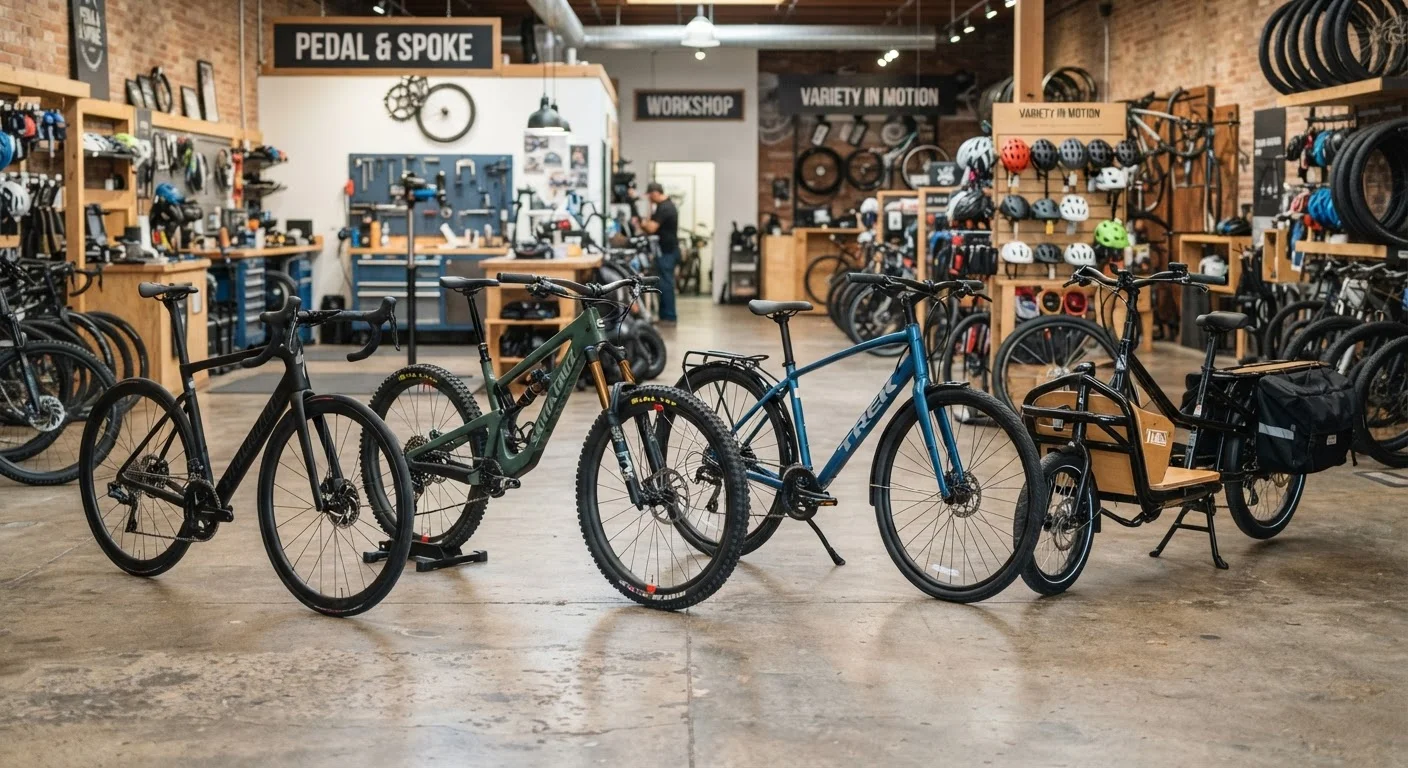
Long-tails extend the rear frame and rack far enough aft to accommodate two children in passenger seats, multiple panniers, or a flat cargo platform. The wheelbase is longer than a standard bicycle but the overall silhouette stays recognizable - two wheels, a diamond-adjacent frame, and handlebars at rider height. This format handles more like a regular bike than the alternatives and fits through standard doorways and most bike lanes.
Box Bikes (Bakfiets)
Derived from Dutch cycling tradition, the box bike positions a large wooden or composite cargo box between the front wheel and the rider. The rider steers via a linkage system rather than a direct fork connection. This configuration lets caregivers see children directly and allows bulky or loose cargo to be loaded without bungee cords or panniers. The trade-off is a wide turning radius and a footprint that demands dedicated storage space.
Mid-Tail Cargo Bikes
The mid-tail occupies the space between a standard commuter and a full long-tail. Its rear extension is shorter, making it maneuverable enough for tighter urban environments while still supporting one child seat and meaningful cargo weight. For riders who want occasional hauling capability without committing to a full-length cargo platform, the mid-tail is often a practical middle ground.
400 lbs
Typical maximum cargo bike payload rating
Heavy-duty cargo bike frames rated for commercial use can support combined rider and cargo weights up to approximately 400 lbs, though most consumer models fall below this ceiling.
~60%
Share of cargo bikes sold with electric assist
Industry observers note that the majority of cargo bikes sold in the US market in recent years have included electric pedal assist, reflecting how central e-drive has become to the category's usability.
2-3×
Longer wheelbase than a standard bike
Full long-tail and box bike formats typically have wheelbases two to three times longer than a standard adult bicycle, directly affecting maneuverability and storage requirements.
How Cargo Bikes Handle Load Differently
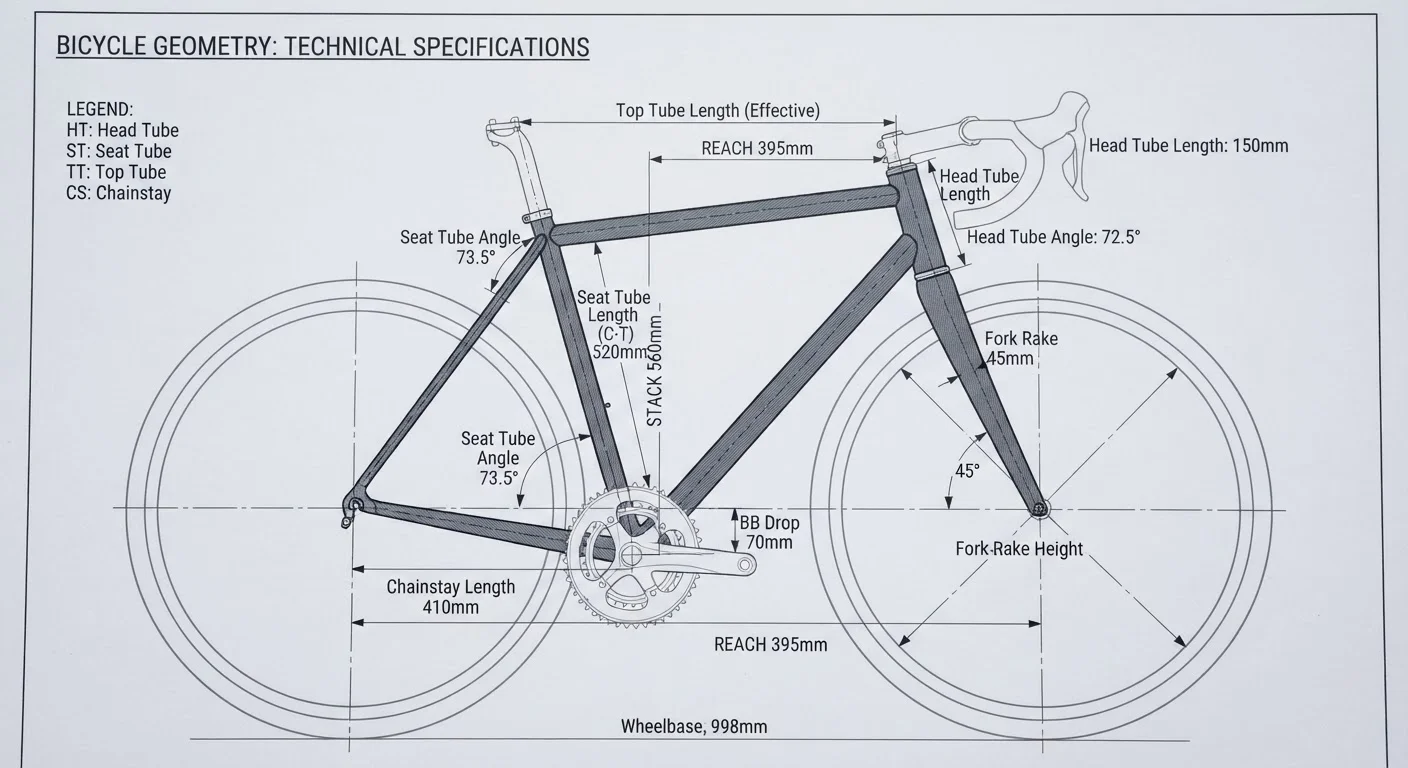
A cargo bike's geometry is engineered around a loaded center of gravity, not an unloaded one. Manufacturers reinforce the frame junctions most affected by stress - the rear dropout on long-tails, the front fork linkage on box bikes - and often spec wider, higher-volume tires to stabilize a heavy load over rough pavement.
Weight distribution matters considerably. Long-tails with rear loads shift inertia behind the rider, which affects how the bike accelerates and stops. Box bikes with front loads can feel initially counterintuitive to steer, though most riders adapt within a few sessions. Mid-tails, by virtue of their shorter extension, remain closest in handling to a conventional bicycle.
Braking systems on cargo bikes deserve attention. Many high-capacity models use hydraulic disc brakes to manage stopping distances with full loads - a meaningful safety consideration when carrying children or heavy cargo on grades. Riders evaluating any cargo bike should assess the braking specification alongside the payload rating.
Test Ride Under Load Before Deciding
The handling differences between cargo bike formats are difficult to evaluate unloaded. If possible, test ride with weight representative of your typical use - even ballast in a pannier makes the comparison far more informative. Many specialty bike shops in urban markets keep demo cargo bikes available for extended test rides.
Electric Assist and Cargo Bikes
Electric pedal assist has become closely associated with cargo bikes because it addresses the category's primary friction point: the effort required to start a heavy load moving, maintain speed on grades, and manage long distances. Most cargo e-bikes use mid-drive motors - positioned at the bottom bracket - because this placement keeps weight low and centered, which benefits stability under load.
For a side-by-side look at how cargo e-bikes differ from standard e-bike platforms in geometry and practical use, see our cargo e-bike comparison.
Battery range on cargo e-bikes varies significantly with load weight, terrain, and assist level selected. Riders who regularly carry maximum loads on hilly routes should anticipate meaningfully shorter range than manufacturer estimates derived from lighter conditions. Some cargo e-bike platforms offer dual-battery configurations to extend usable range.
Who Cargo Bikes Are Built For
Cargo bikes serve distinct user groups, and the right format depends heavily on primary use case rather than a general preference for carrying capacity.
- Families with young children: Box bikes and long-tails with passenger systems are the predominant choice. Both formats can accommodate child seats, rain covers, and safety harnesses designed specifically for bike use.
- Urban commuters who combine errands: Mid-tails and long-tails work well for riders who carry a laptop, groceries, and gym gear simultaneously without needing a separate trip by car.
- Last-mile delivery operators: Commercial cargo bikes - often long-tail or three-wheeled configurations - are used in urban delivery contexts where vehicle access is restricted or parking is impractical. If you're weighing cargo bikes against motorized delivery vehicles, our article on cargo vans vs. pickup trucks for work addresses how those vehicle types compare on similar operational dimensions.
- Cyclists replacing a second car: This use case requires honest assessment of local infrastructure, storage, and route terrain. Cargo bikes are well-matched to flat, infrastructure-rich urban environments and less suited to areas with limited cycling facilities or extreme topography.
For riders whose primary need is portability rather than carrying capacity, the trade-offs are quite different - see our folding bike trade-offs explainer for that comparison.
“The cargo bike is essentially a logistics tool that happens to be human-powered. Its value is measured in trips displaced, not miles ridden.”
— Cycling infrastructure researcher, Urban mobility policy analyst