How Trucks Differ From Other Vehicles
Pickup trucks are body-on-frame vehicles - meaning the cab and bed sit on a separate steel ladder frame rather than being integrated into a single structure as in most cars and crossovers. This construction gives trucks durability for heavy work but also contributes to a higher ride height, larger turning radius, and a driving experience distinctly different from a sedan or SUV.
Unlike SUVs, which typically prioritize passenger comfort in a closed body, trucks are purpose-built around an open cargo bed. That openness is both the truck's greatest asset and its central limitation. Weather, theft exposure, and load security all require additional planning that car buyers rarely consider.
If you're coming from a car background, first-time sedan buyers will find the mental model shift significant - trucks reward buyers who match the vehicle's design to specific tasks rather than treating capability as a catch-all benefit.
Body-on-frame
A construction method where the vehicle's body and its structural frame are separate components bolted together, common in trucks and providing durability for heavy-duty use.
Payload capacity
The maximum weight a truck is engineered to carry in its cab and bed, including passengers, cargo, and any accessories mounted in the bed.
Towing capacity
The maximum weight a truck is rated to pull behind it - typically via a hitch - including the trailer and everything loaded onto it.
GVWR
Gross Vehicle Weight Rating - the total allowable weight of the truck itself plus everything in or on it, set by the manufacturer and used as a federal safety standard.
Axle ratio
A gear ratio in the rear axle that affects the trade-off between fuel efficiency and pulling power; higher numerical ratios generally provide more towing and hauling capability.
Crew cab
A four-door truck cab configuration with a full rear seating row, offering the most passenger space of any cab style.
Key Specs Every Truck Buyer Should Know
Before walking into any dealership or browsing any listing, new truck buyers should be comfortable with four core specifications:
- Payload capacity: The maximum weight loadable into the cab and bed. Exceeding it affects braking distance and frame integrity.
- Towing capacity: Maximum trailer weight the truck is rated to pull. This figure changes based on engine, transmission, axle ratio, and tow package equipment.
- GVWR (Gross Vehicle Weight Rating): The total allowable weight of the truck plus everything in and on it. This is a federal safety rating.
- Axle ratio: A lower numerical ratio (e.g., 3.31) favors fuel economy; a higher ratio (e.g., 3.73 or 4.10) improves towing and hauling performance at the cost of efficiency.
Trim level matters here more than buyers expect. A base trim and a properly equipped upper trim of the same model can have meaningfully different tow ratings. Always reference the manufacturer's towing guide for the specific configuration, not headline marketing figures.
Always Request the Towing Guide
Manufacturers publish detailed towing guides that break down capacity by cab, engine, transmission, and axle ratio combination. The headline towing figure in ads typically reflects only the highest-spec configuration. Request the guide for the exact truck you're evaluating before making any hauling-related decisions.
Trucks vs. Vans: Choosing the Right Tool
Many buyers default to a truck without seriously evaluating whether a van might better serve their needs. The comparison is worth making deliberately.
| Factor | Pickup Truck | Full-Size Van |
|---|---|---|
| Cargo volume | Open bed, weather-exposed | Enclosed, higher cubic footage |
| Passenger capacity | Up to 6 (crew cab) | Up to 12-15 (passenger config) |
| Towing | Generally higher rated | Moderate; varies by model |
| Off-road capability | Strong (especially 4WD) | Limited |
| Urban maneuverability | Challenging at full size | Challenging; sliding doors help |
Trade contractors who carry tools and materials daily often find vans more efficient - more usable interior volume, lockable cargo, and easier loading height. Buyers who tow trailers, haul outdoor equipment, or need off-road ability will find trucks more capable. For recreational uses specifically, see trucks for outdoor recreation.
Don't Assume a Truck Does Everything Better
Trucks excel at specific tasks but have genuine limitations compared to vans and SUVs in others. A full-size truck with a regular cab offers less enclosed cargo volume than most full-size cargo vans. Evaluate your most frequent use case first, not the most impressive edge-case scenario.
Cab and Bed Configurations Explained
Trucks are not one-size products. Buyers configure them across two independent dimensions: cab size and bed length.
Cab Sizes
- Regular cab (2-door): Maximum bed length, minimal rear seating. Best for work-focused buyers with few passengers.
- Extended/SuperCab: Small rear seats or fold-down seating accessible through smaller rear doors. A compromise between bed length and occasional rear passengers.
- Crew cab (4-door): Full rear seating, comparable to an SUV in passenger comfort. Most popular for family use, but typically paired with a shorter bed.
Bed Lengths
Standard bed lengths vary by manufacturer but generally fall into short (approximately 5.5 ft), standard (approximately 6.5 ft), and long (approximately 8 ft). A crew cab with a long bed creates a vehicle that may exceed 22 feet in overall length - a practical concern for parking and maneuvering in tight areas.
Buyers who need both passenger space and maximum bed capacity should also consider whether a trailer could offload some hauling needs, preserving a more manageable truck footprint.
Ownership Costs First-Timers Often Miss
The sticker price is only the beginning. Truck ownership carries recurring costs that surprise many first-time buyers:
- Fuel: Full-size trucks with V8 or large V6 engines often return 15-20 mpg in real-world mixed driving. Hybrid powertrains improve this but add upfront cost.
- Tires: Light truck (LT) tires are larger, more expensive, and wear faster under load than passenger car tires. A quality set of four can cost significantly more than equivalent car tires.
- Insurance: Higher collision and comprehensive costs are common. Similar surprises catch first-time SUV buyers - the pattern holds for trucks.
- Maintenance: Oil capacity is higher than most cars, and some service intervals (transmission fluid, differential fluid) apply to components many car owners have never dealt with.
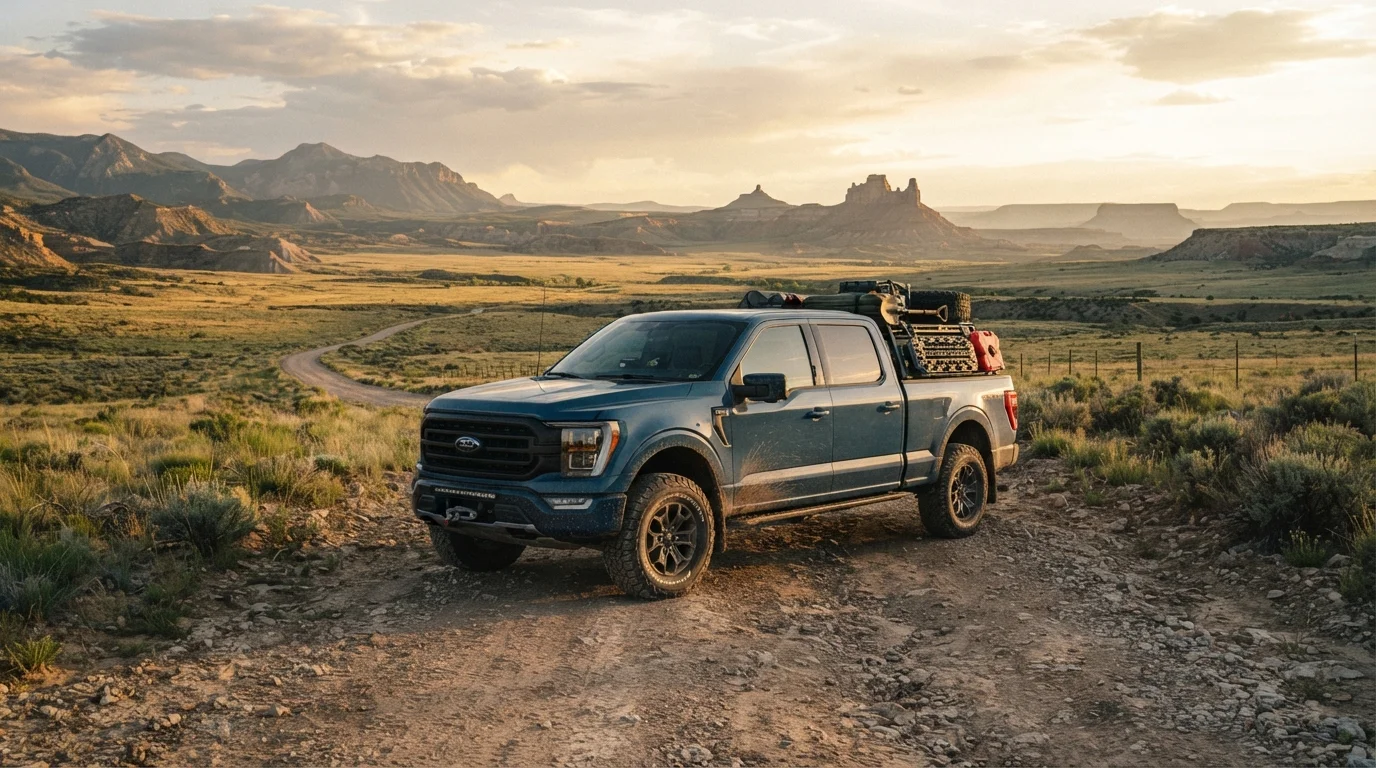
Buyers considering adventure or outdoor use should also account for accessories - bed liners, tonneau covers, hitches, and auxiliary lighting add hundreds to thousands of dollars depending on use case. Planning for these costs before purchase leads to more realistic budgeting and fewer surprises in year one.
This article is for informational and educational purposes only. Specifications, ratings, and costs vary by make, model, trim, and region. Always verify figures with the manufacturer and consult a qualified mechanic for maintenance and safety guidance.