The Language of Originality
Few phrases carry as much weight in the classic car hobby as numbers matching. Drop it at any car show or auction preview and you'll see collectors perk up. But for newcomers, the concept can seem opaque - a piece of insider jargon that gatekeepers use without ever fully explaining.
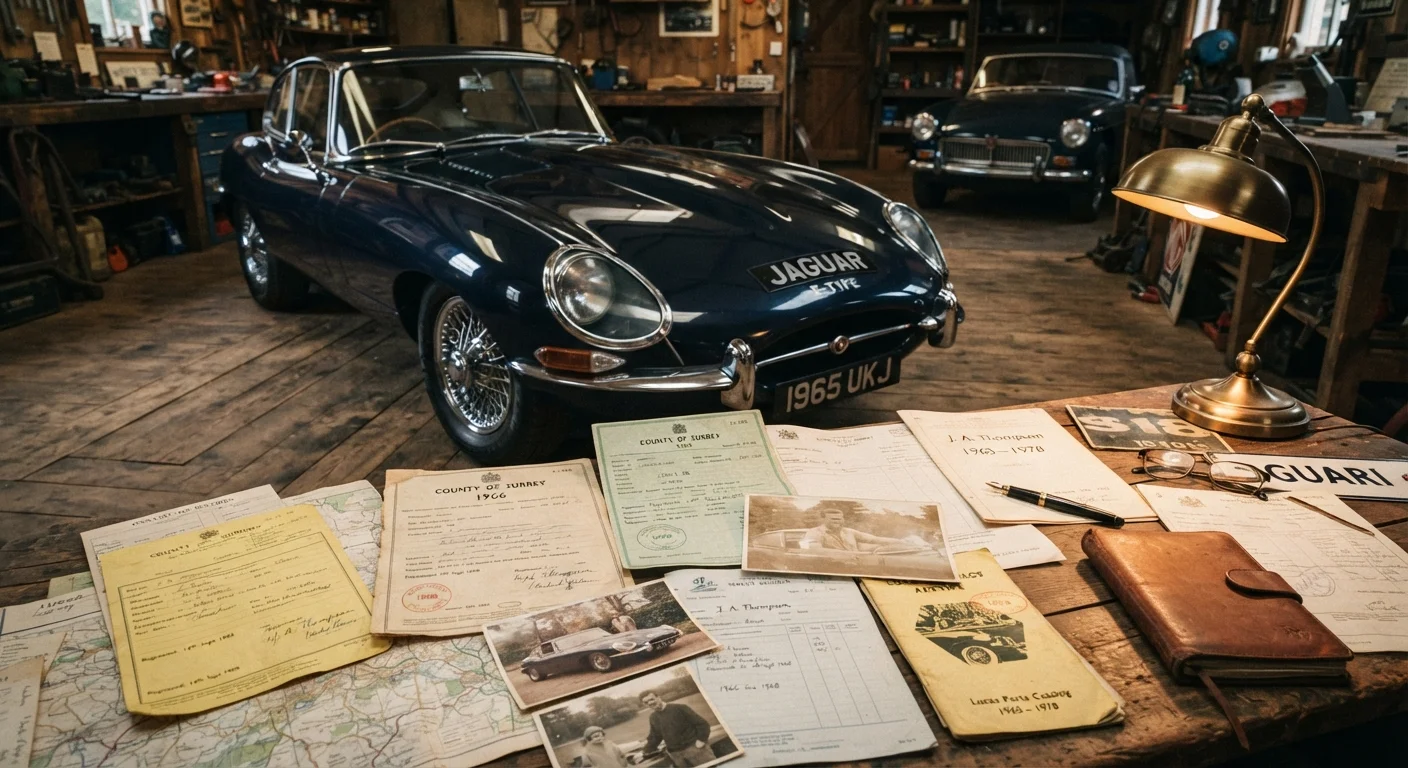
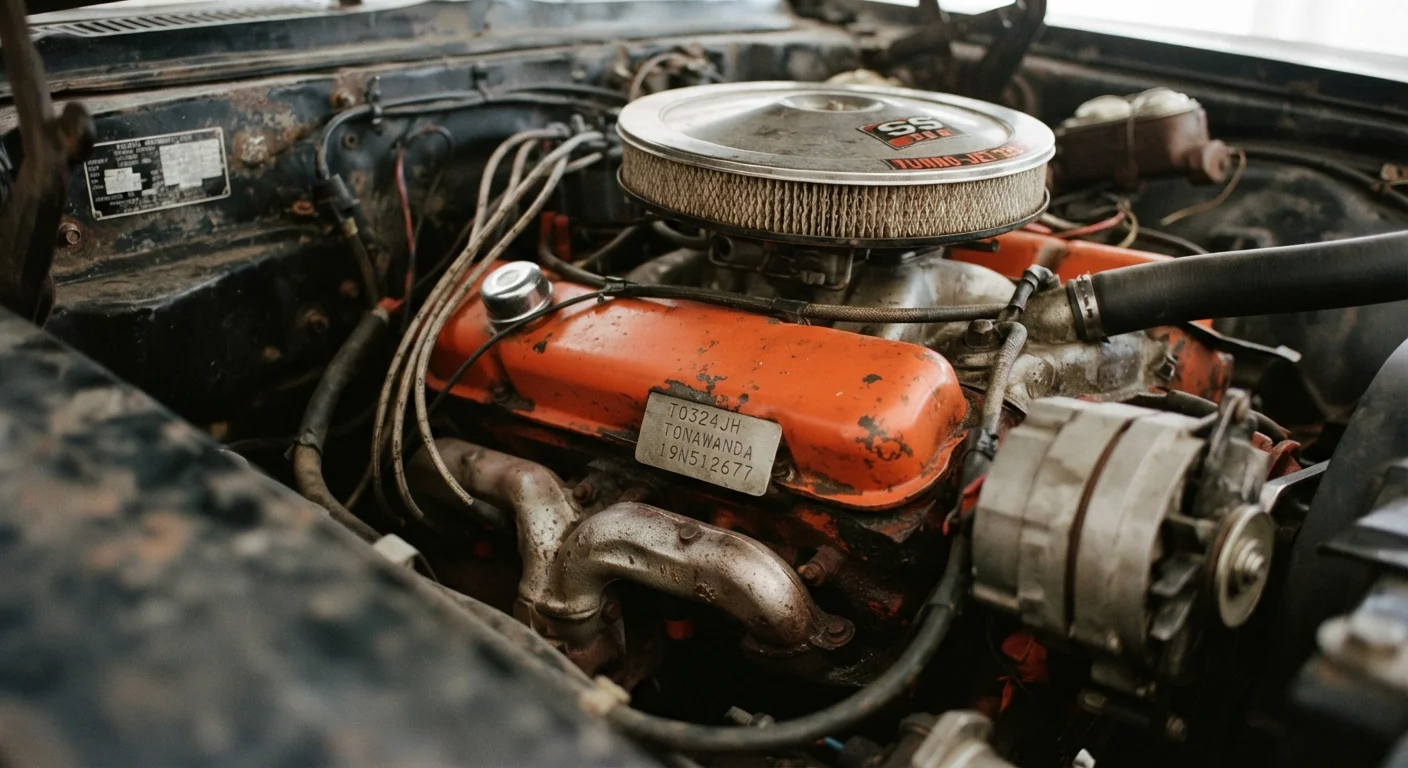
At its core, numbers matching is about provenance and factory authenticity. When a car rolls off an assembly line, its major mechanical components - particularly the engine block - are stamped with partial VIN codes or date codes that tie them directly to that specific vehicle. Decades later, those stampings become a paper trail. When they align with surviving factory documentation, the car earns the numbers matching designation.
To understand why this matters, it helps to understand the factors that define a true classic in the first place. Originality sits alongside cultural significance and mechanical distinction as a core pillar of classic status.
Numbers Matching vs. Correct But Non-Original
A car can be 'correct' without being numbers matching. A correct car uses the right type of engine and components for its year and model - but those parts may have come from a different vehicle. Numbers matching specifically means the original factory-installed components are still present and their stampings are verifiable. The distinction matters enormously at auction.
What Exactly Gets Checked
The engine block is ground zero. Manufacturers like GM, Ford, and Chrysler stamped a partial VIN - typically eight to ten characters - directly onto the block during production. This stamp can be cross-referenced against the vehicle's cowl tag (a data plate near the firewall), the trim tag, or, in the best cases, a surviving factory build sheet.
Beyond the engine, thorough inspections extend to:
- Transmission: Date codes should predate or closely match the car's production date.
- Rear axle: The differential housing often carries date-coded stampings as well.
- Carburetor and intake: Date codes on these components should logically precede the car's assembly date.
Each correctly coded component strengthens the numbers matching case. A car with a matching engine but a non-original transmission occupies a gray area - better than a complete mismatch, but not the gold standard collectors prize most.
Always Verify Before You Buy
Numbers matching claims should never be taken on faith alone. Before any significant purchase, engage an independent appraiser with marque-specific expertise, cross-reference the engine stamp against factory documentation, and consult the relevant owner's registry. Many manufacturers offer historical documentation services that can confirm factory specifications for a specific VIN.
Why Collectors Place Such a Premium on It
The collector car market rewards scarcity and authenticity, and numbers matching vehicles are genuinely scarce. Fifty years of road use, accidents, engine failures, and well-intentioned rebuilds have erased the numbers matching status of countless cars. A fully original, documented example represents a survivor that beat the odds.
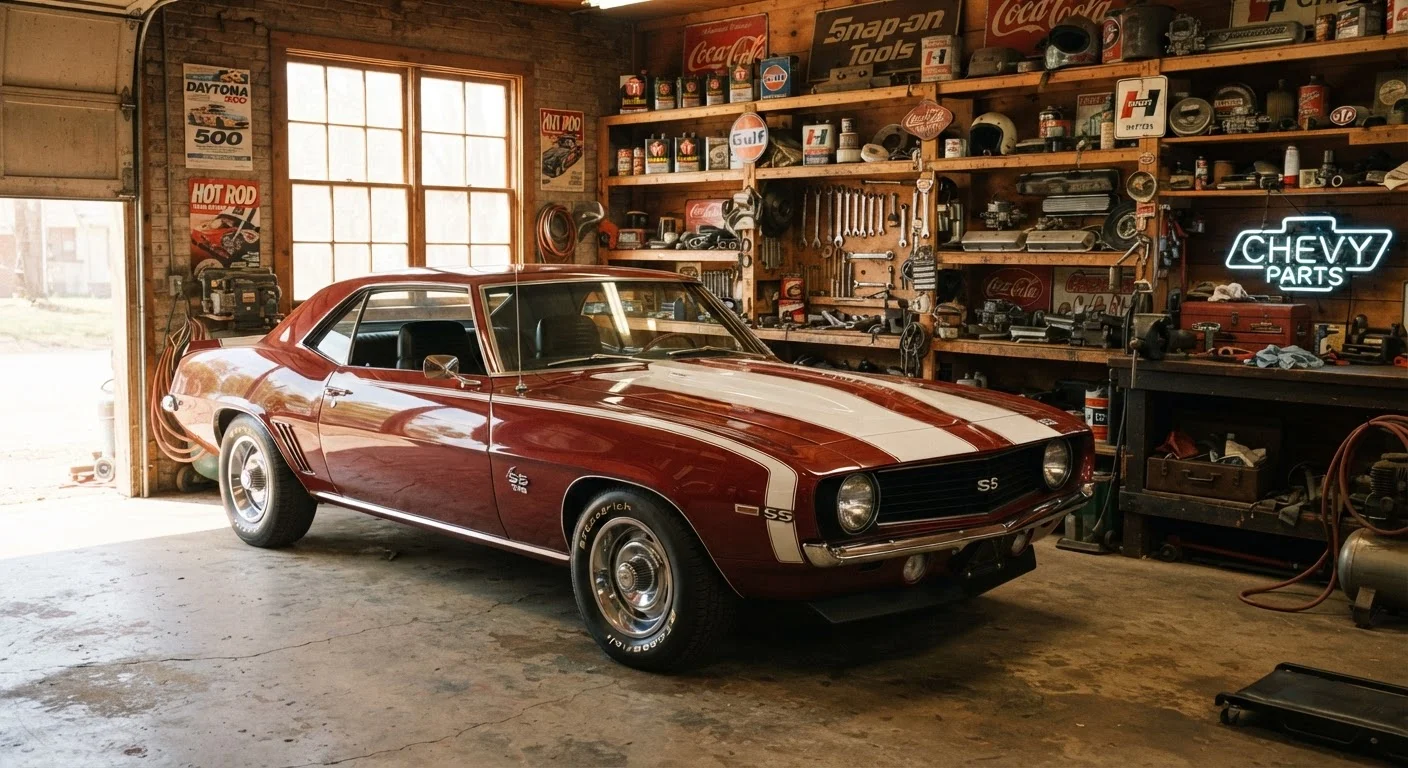
At major auction houses, the numbers matching designation routinely separates the high-bid lots from the rest. A numbers matching 1969 Camaro Z/28, for example, occupies an entirely different price category than a visually identical car with a replacement engine - even if that replacement engine is the correct type.
30-50%
Typical auction premium for numbers matching examples
Industry observers and auction analysts have long noted that verified numbers matching classic cars routinely command premiums in this range over comparable non-matching vehicles.
< 10%
Hemi 'Cudas built with documented numbers matching status
Of the limited production run of 1970-71 Plymouth 'Cudas equipped with the 426 Hemi, a small fraction have survived with fully verifiable matching numbers, reflecting decades of attrition.
This is why the numbers matching obsession reveals so much about collector values more broadly: it reflects a preference for documented history over appearance alone.
It's also worth noting what common myths about classic cars often get wrong - the assumption that a car that looks correct is therefore original. Visual accuracy and mechanical authenticity are entirely different standards.
“The stamp on the block is the car's birth certificate. Without it, you're buying a story. With it, you're buying history.”
— Automotive appraisal community, Widely repeated principle among certified classic car appraisers
Numbers Matching in Perspective
The numbers matching premium is real, but it isn't the only measure of a classic car's worth or enjoyment. A well-sorted, mechanically sound example with a period-correct engine - even if not the original unit - can be an outstanding driver and a legitimate piece of automotive history.
What numbers matching status demands most from buyers is due diligence. Verify claims independently. Engage marque-specific registries, factory documentation services, or experienced appraisers before any significant purchase. The myths surrounding classic car investment include the idea that every numbers matching car is automatically a sound purchase - condition, documentation quality, and market demand all still apply.
Understanding where a car fits within established classic car classification systems also adds context: the same vehicle may be assessed differently depending on whether it's evaluated as an antique, a classic, or a collector car under various organization standards.
Numbers matching is ultimately a language of trust - a verifiable shorthand for authenticity in a market where claims are easy and proof is hard.