The Question That Divides Show Fields
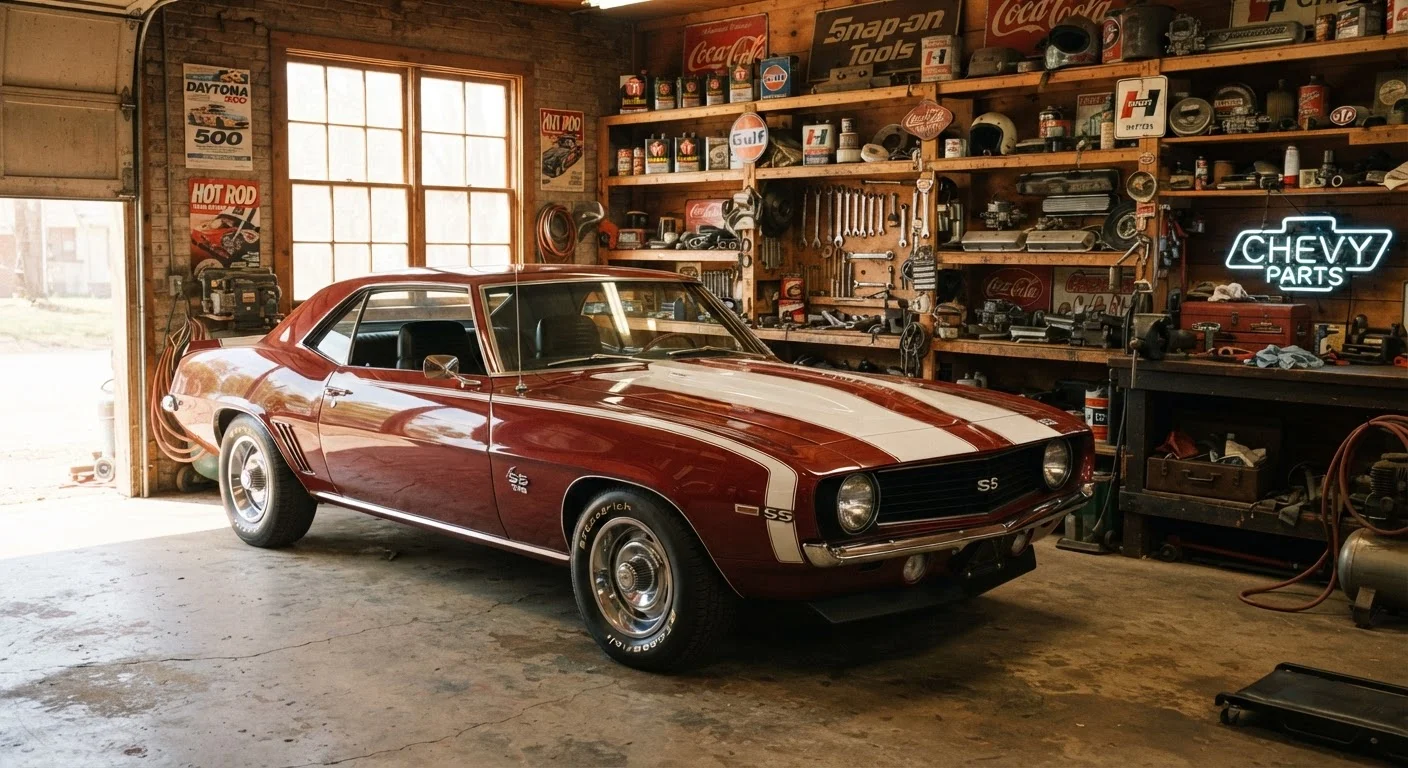
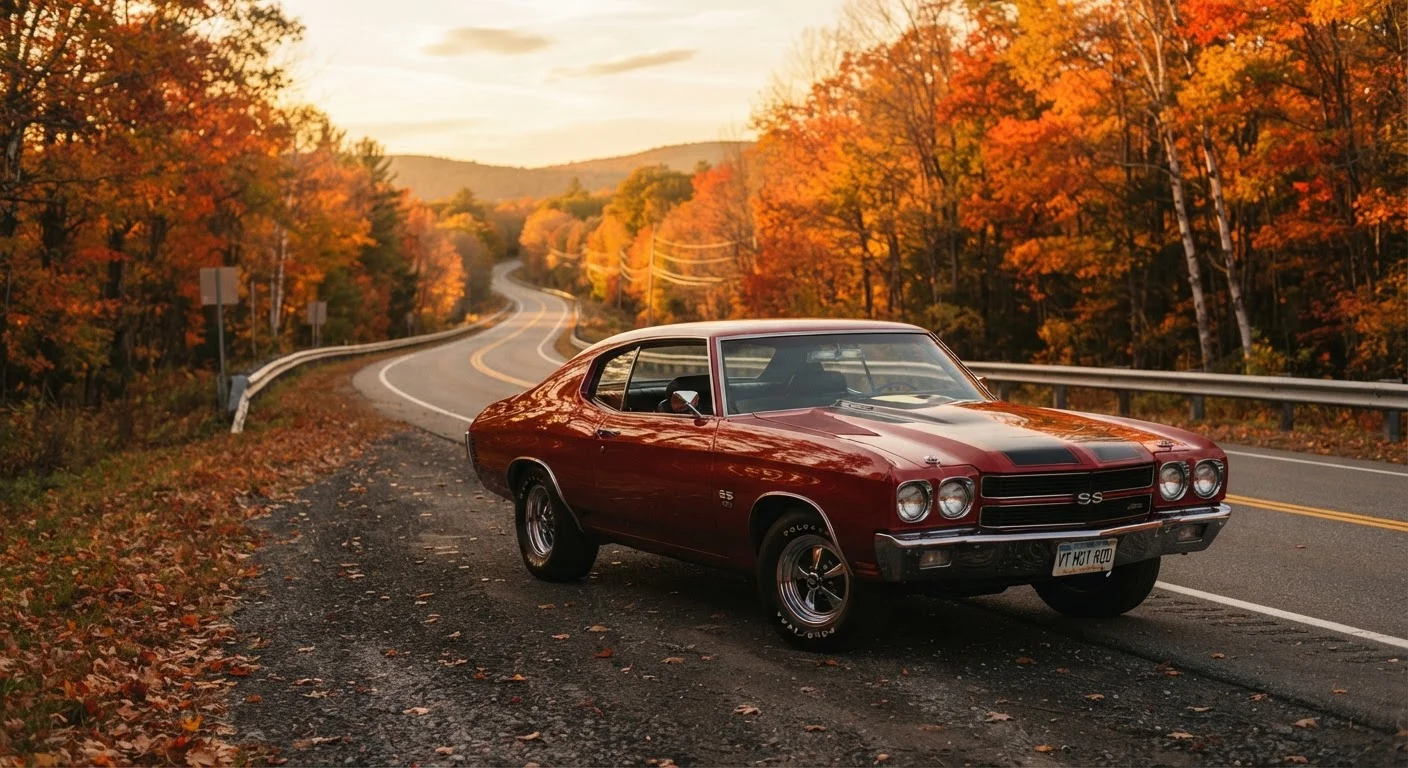
Walk any major concours lawn or swap meet and you will eventually overhear it: a quiet but pointed argument about whether a car should have been left alone. The originality-versus-restoration debate sits at the philosophical core of classic car culture, shaping how collectors acquire, judges evaluate, and enthusiasts relate to the machines they love. It is not a new argument - it has been running since the first restorer ever touched chrome polish to a survivor - but it has grown more nuanced as the hobby matures and the pool of truly original cars shrinks.
Understanding what drives each camp requires understanding what each side is actually preserving. How a car is officially classified by age and type can affect which standards apply, but the philosophical stakes run deeper than any rulebook.
The Case for Originality: Survivors as Primary Documents
An unrestored, well-preserved original vehicle is, in the language of museum curators, a primary document - direct physical evidence of how a car left the factory, how it was optioned, and how it aged in the real world. Original factory paint, correct-date-coded components, and untouched assembly marks tell a story that no restoration, however skilled, can reproduce from scratch.
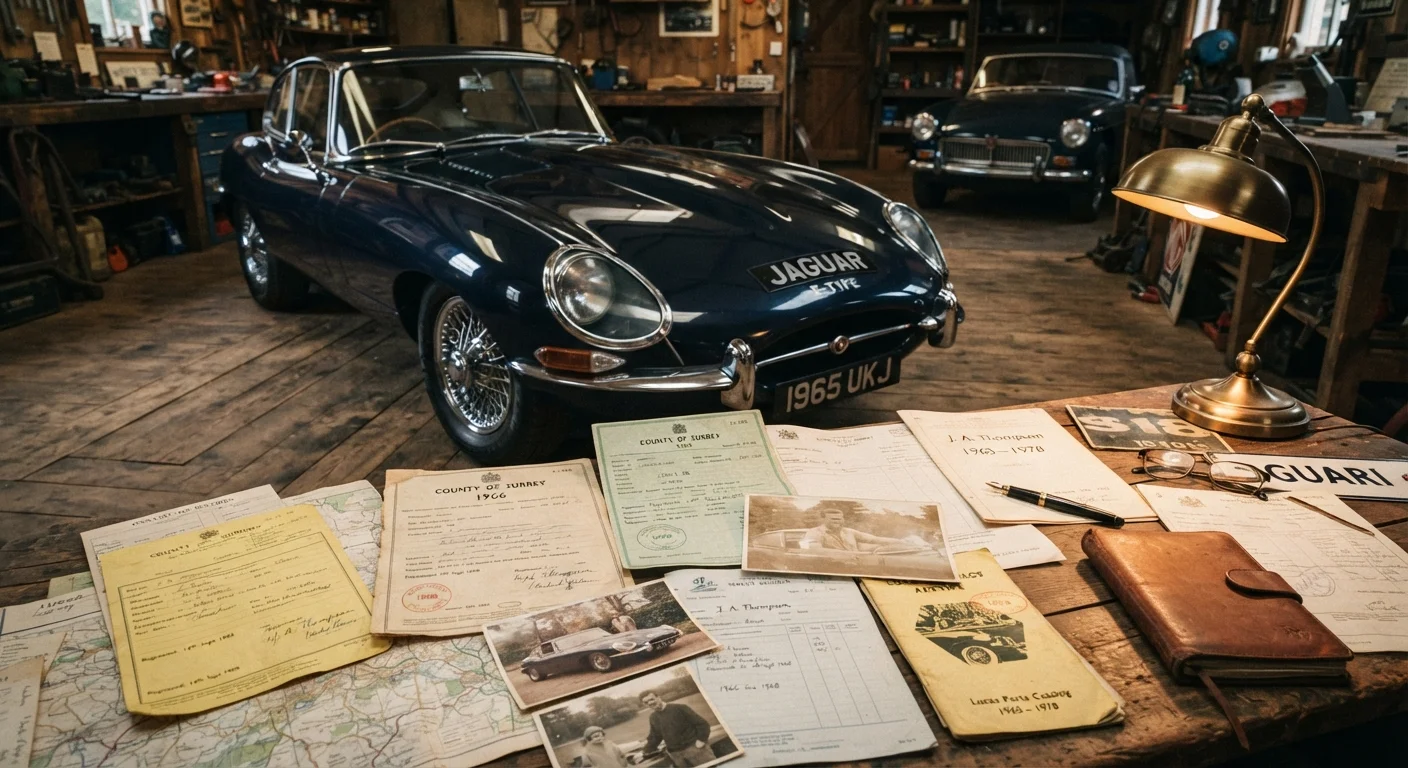
Major judging organizations, including the Antique Automobile Club of America (AACA) and Bloomington Gold (for Corvettes), have developed dedicated survivor and preservation classes precisely because the market - and the culture - increasingly recognizes this distinction. A car with documented, continuous ownership history and original drivetrain components occupies a category of authenticity that a frame-off restoration simply cannot claim. Tracing and preserving a vehicle's paper trail is therefore not a bureaucratic exercise - it is the act of protecting the primary document itself.
Assess Before You Act
Before committing to any restoration work, have an independent specialist assess what original material actually survives. Original factory finishes, factory chalk marks, and date-coded components are often present beneath surface deterioration and are lost permanently once disassembly begins. A qualified appraiser familiar with the specific marque can identify what is worth preserving - and what is already beyond saving.
Patina - the natural aging of paint, chrome, and interior materials - is not the same as neglect. Enthusiasts distinguish between a cared-for survivor showing honest wear and a deteriorated car that has simply been left to decay. The former has genuine collector standing; the latter typically requires intervention.
The Case for Restoration: Bringing History Back to Life
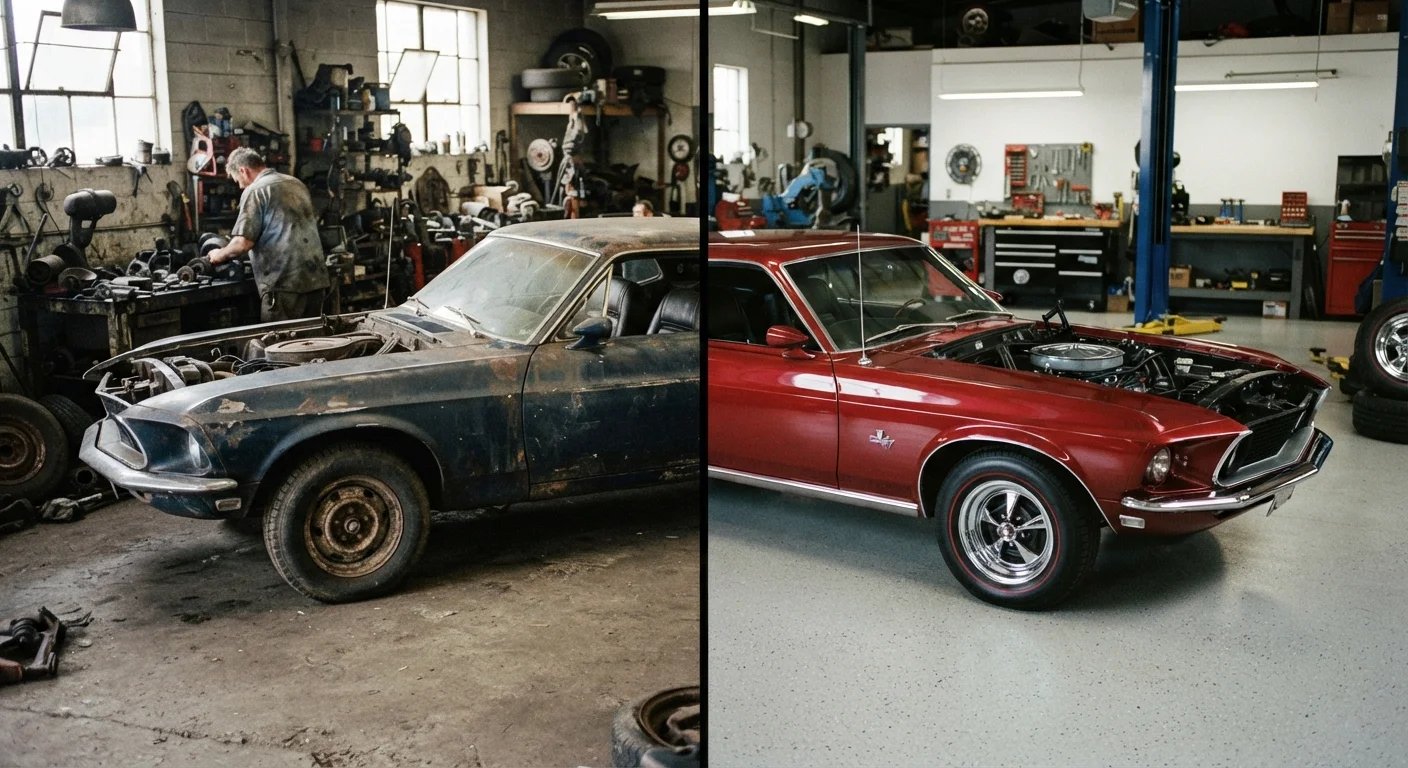
Restoration is not merely cosmetic vanity. Many significant vehicles survive today only because skilled restorers intervened before rot, accident damage, or component failure rendered them unrecoverable. A concours-quality restoration, executed with correct finishes, period-accurate parts, and documented methodology, can return a car to a standard of accuracy that approximates - sometimes very closely - its original factory condition.
The restoration camp also argues that a pristine, functional example is a better ambassador for automotive heritage than a faded, mechanically marginal survivor. Cars that can be driven, demonstrated, and enjoyed connect new audiences to history in a way that static originals often cannot. The distinction between full restoration and resto-mod builds matters here - a faithful factory restoration and a modified interpretation represent different relationships with the past.
| Preservation / Survivor | Full Restoration | |
|---|---|---|
| Historical authenticity | Maximum - factory evidence intact | Variable - depends on research accuracy |
| Visual impact | Honest patina; less dramatic | Typically high; show-ready finish |
| Concours eligibility | Survivor/preservation classes | Traditional judged classes |
| Provenance value | Strongest with documentation | Relies on build quality and records |
| Appropriate for | Low-deterioration, documented cars | Heavily deteriorated or incomplete cars |
| Irreversibility | Low - changes can often be reversed | High - original material typically lost |
| Cost | Generally lower | Can be substantial |
Market Signals and Cultural Shifts
The collector market has historically rewarded presentation - a gleaming, fully restored car photographed well and showed well. But auction results and specialist dealer commentary over the past two decades suggest a meaningful revaluation of documented original survivors, particularly for high-demand models where numbers-matching authenticity is verifiable. Rarity of truly original examples, combined with the growing difficulty of sourcing correct NOS (new old stock) and date-coded parts for accurate restoration, has elevated survivor premiums in several segments.
Neither outcome is guaranteed. Common myths about classic car investment deserve scrutiny - not every original car appreciates, and not every restoration depresses value. Context - marque, model, production rarity, and documentation - drives individual outcomes more than philosophy alone.
The cultural dimension matters too. Concours events and informal car shows value different things, and an owner's choice of venue shapes which philosophy receives validation. Understanding those community standards before committing to either path is part of the full reality of classic car ownership.
~30%
Premium for numbers-matching survivors
Specialist auction commentary frequently notes that documented, numbers-matching original survivors command meaningful premiums over restored equivalents in high-demand segments, though figures vary widely by marque and model.
60+ years
Age threshold many preservation classes require
Several major judging bodies use age thresholds of 60 years or more before a vehicle qualifies for dedicated survivor and preservation judging categories.
Choosing a Philosophy, Not Just a Treatment Plan
The decision is never purely technical. It involves the car's condition and rarity, the owner's intended use - trailer queen, driver, show entry, or investment - and an honest assessment of what the vehicle means to its broader community. A one-of-few documented original survivor of a historically significant model carries different obligations than a high-production vehicle of which thousands of restored examples exist.
Before any work begins, the questions worth asking include: Does original paint or upholstery survive beneath apparent damage? Are the drivetrain codes traceable and matching? Does documentation exist to support a provenance claim? Can deterioration be arrested without full disassembly? Answers to these questions shape which path has genuine integrity - and which one amounts to destroying irreplaceable evidence for the sake of a cleaner appearance. Barn finds illustrate this tension vividly: the moment a long-dormant car is discovered, every subsequent decision either preserves or erases what time left behind.
Irreversible Decisions Deserve Careful Thought
Stripping original paint, replacing matching-numbers drivetrain components, or re-stamping identification markings are actions that cannot be undone - and in some cases may raise legal and authenticity questions. If you are uncertain about a vehicle's originality status or the implications of proposed work, consult marque specialists and established judging authority guidelines before proceeding. Well-intentioned restoration has erased historically significant evidence many times; caution is warranted.