What Makes a Car a Classic?
The word classic gets applied freely in automotive conversation, but it carries specific meaning within the hobby. At its core, a classic car is one that has aged beyond typical daily transportation relevance yet retains - or has grown - desirability because of its design, engineering, historical context, or cultural impact. It isn't simply old; plenty of forgettable vehicles age without becoming collectible.
Matching Numbers
A vehicle where the serial numbers on major components (engine, transmission) correspond to the original factory records, confirming authenticity.
Concours d'Elegance
A prestigious judged car show format where vehicles are evaluated on their authenticity, originality, and presentation quality.
Provenance
The documented history of a vehicle's ownership, factory specifications, and condition over time - used to verify authenticity and support valuation.
Survivor Car
A vehicle that retains largely original paint, interior, and mechanicals without having undergone a full restoration, prized for its unaltered authenticity.
Marque
The brand or make of a vehicle - for example, Cadillac or Chevrolet. Marque clubs focus on a specific brand or model line.
Coachbuilt
A vehicle where the body was custom-crafted by a separate coachbuilder, rather than mass-produced - common practice for luxury and prestige cars before World War II.
Organizations like the Classic Car Club of America (CCCA) apply narrow definitions - their "Full Classic" designation covers specific high-quality cars produced roughly between 1915 and 1948. But the broader collector community uses the term more generously to include anything from a 1960s muscle car to a well-regarded 1990s sports car now crossing the 25-year threshold. What unites them is enduring appeal: someone wants to preserve, drive, and celebrate the vehicle.
Key Eras and What Defined Them
Classic car history is commonly divided into eras that each carry a distinct personality:
- Pre-War (before 1942): Coachbuilt bodies, hand-fitted mechanicals, and opulent detail characterized the finest cars of this period. Brands like Duesenberg, Packard, and Pierce-Arrow represented peak American luxury craftsmanship.
- Post-War / Chrome Era (1946-1959): Returning prosperity fueled bold styling - sweeping fins, acres of chrome, and powerful V8 engines defined this exuberant decade. These cars remain among the most visually iconic of any era.
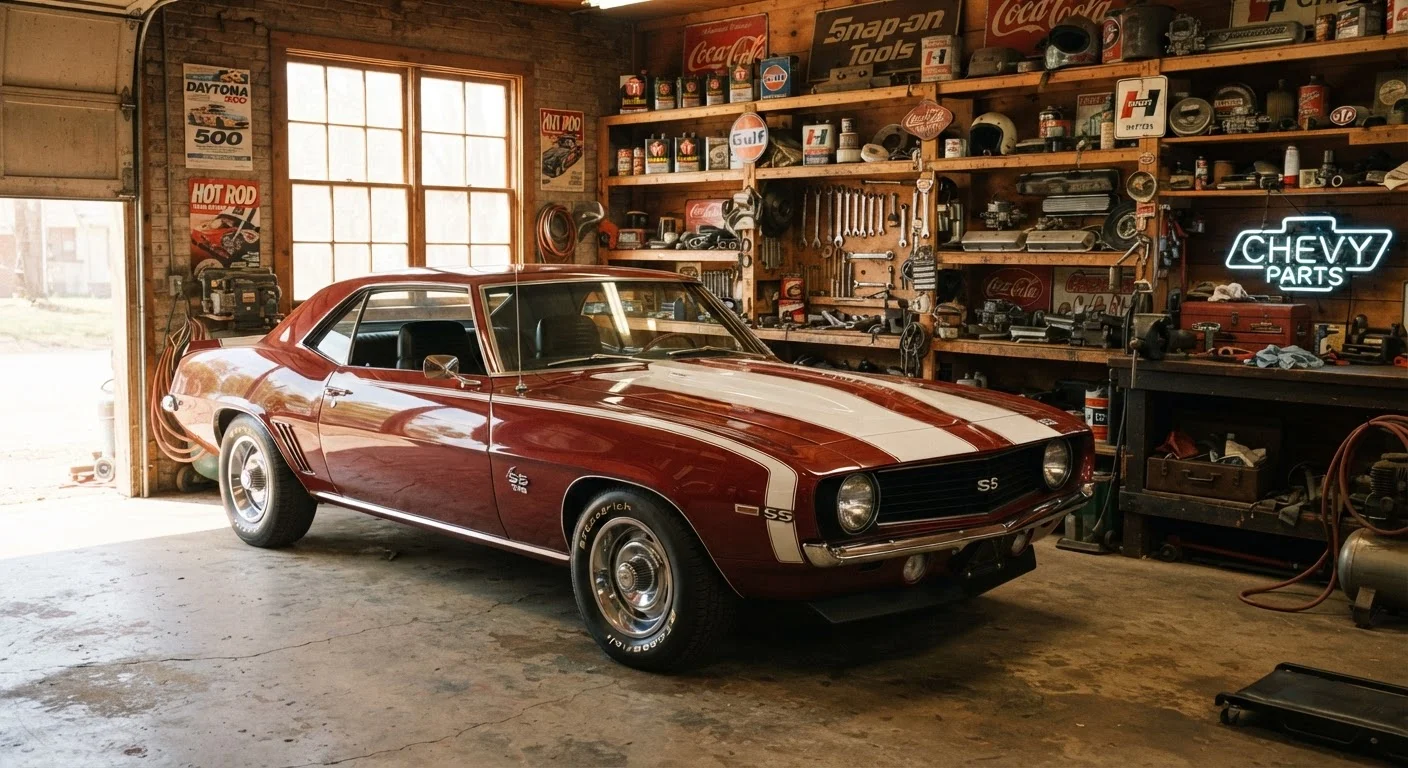
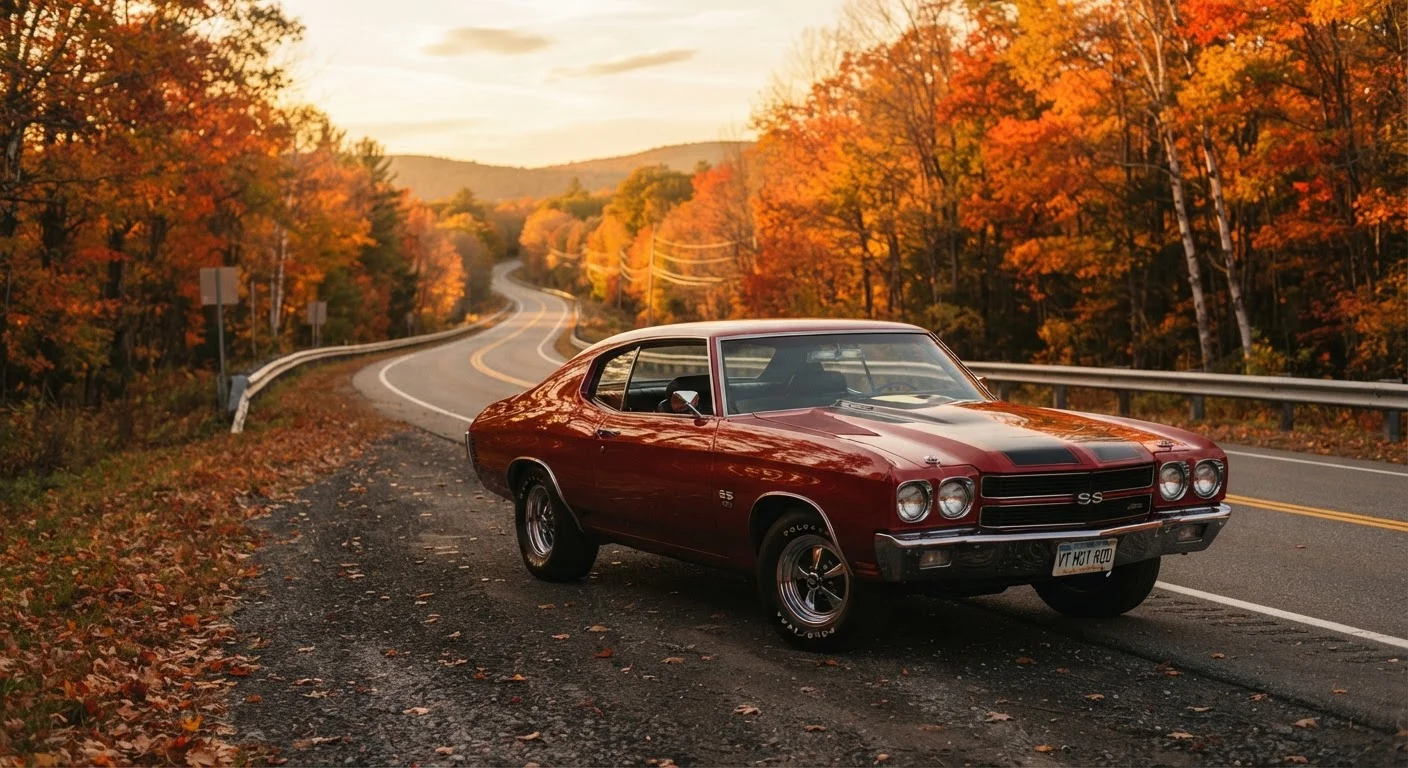
- Muscle Car Era (1960s-early 1970s): Performance ruled. High-displacement V8s dropped into mid-size bodies created affordable speed machines. The GTO, Charger, and Boss Mustang are touchstones of this period.
- Malaise Era (mid-1970s-early 1980s): Emissions regulations and fuel crises squeezed performance. While some collectors find historical interest here, values remain modest for most examples.
- Modern Classics (1980s-1990s): Turbocharged exotics, the resurgent American performance car, and Japanese sports icons from this period are now entering serious collector territory.
Understanding where a car sits historically helps you appreciate its engineering decisions and market position. The car culture hub is an excellent place to explore these stories further.
Grading, Provenance, and Condition
Condition is the single largest variable in classic car valuation. The hobby uses a numeric grading scale - commonly 1 through 6 - where a #1 car is a show-quality, concours-level restoration or survivor, and a #6 is a parts car beyond economical restoration. Most vehicles on the market fall between #2 and #4.
Verify Numbers Before You Commit
Request the Vehicle Identification Number (VIN) and any available factory build records before viewing a car in person. Marque registries and some online decode services can confirm whether key components are original to the vehicle. A mismatched engine doesn't make a car worthless, but it significantly affects value and should be reflected in the price.
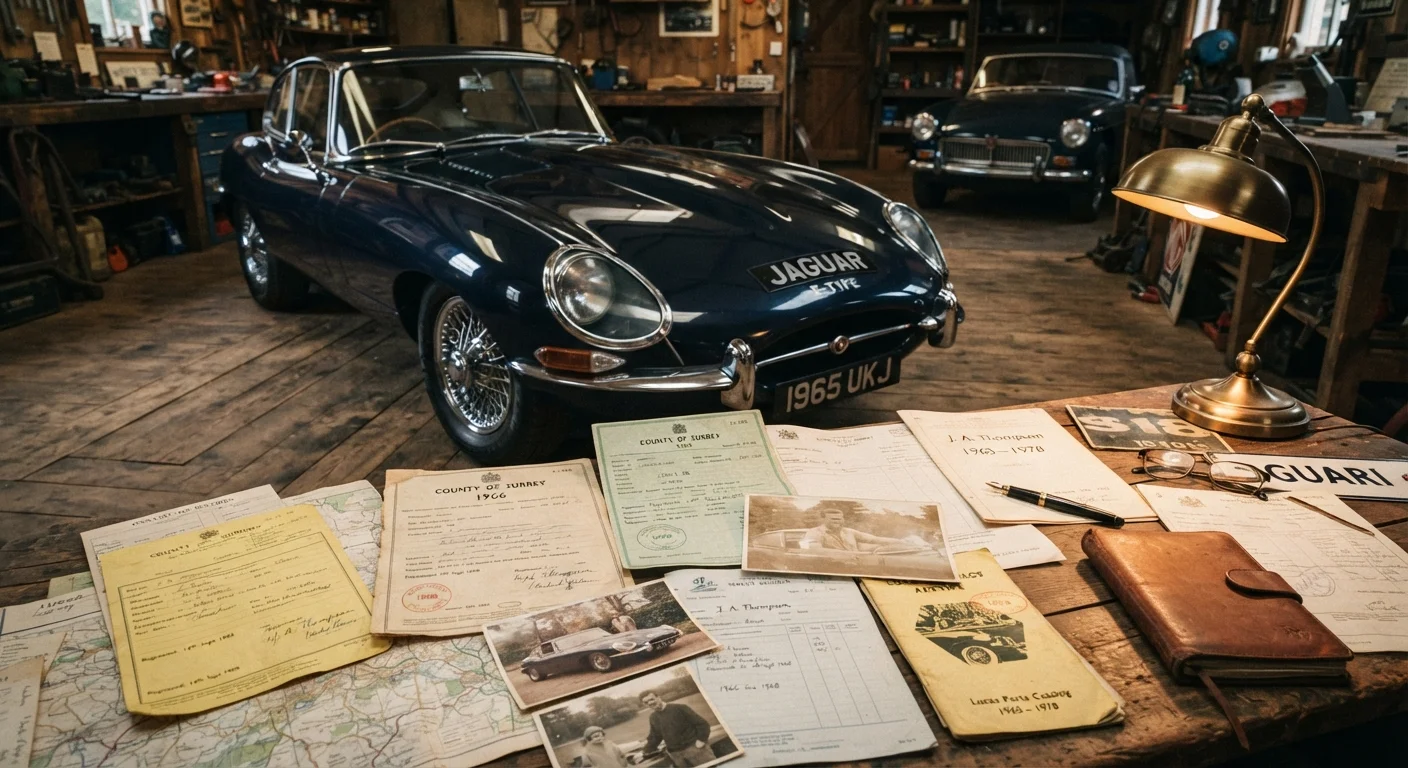
Provenance - the documented history of a vehicle's ownership, factory options, and originality - can be as important as physical condition. A car with its original drivetrain, matching numbers (where the engine and transmission serial numbers correspond to factory records), and a continuous ownership paper trail commands a meaningful premium. Reproduction parts may restore appearance but diminish authenticity in the eyes of serious collectors.
Before evaluating any specific vehicle, research what "correct" looks like for that model year. Marque clubs and published factory records are invaluable here.
The Classic Car Community
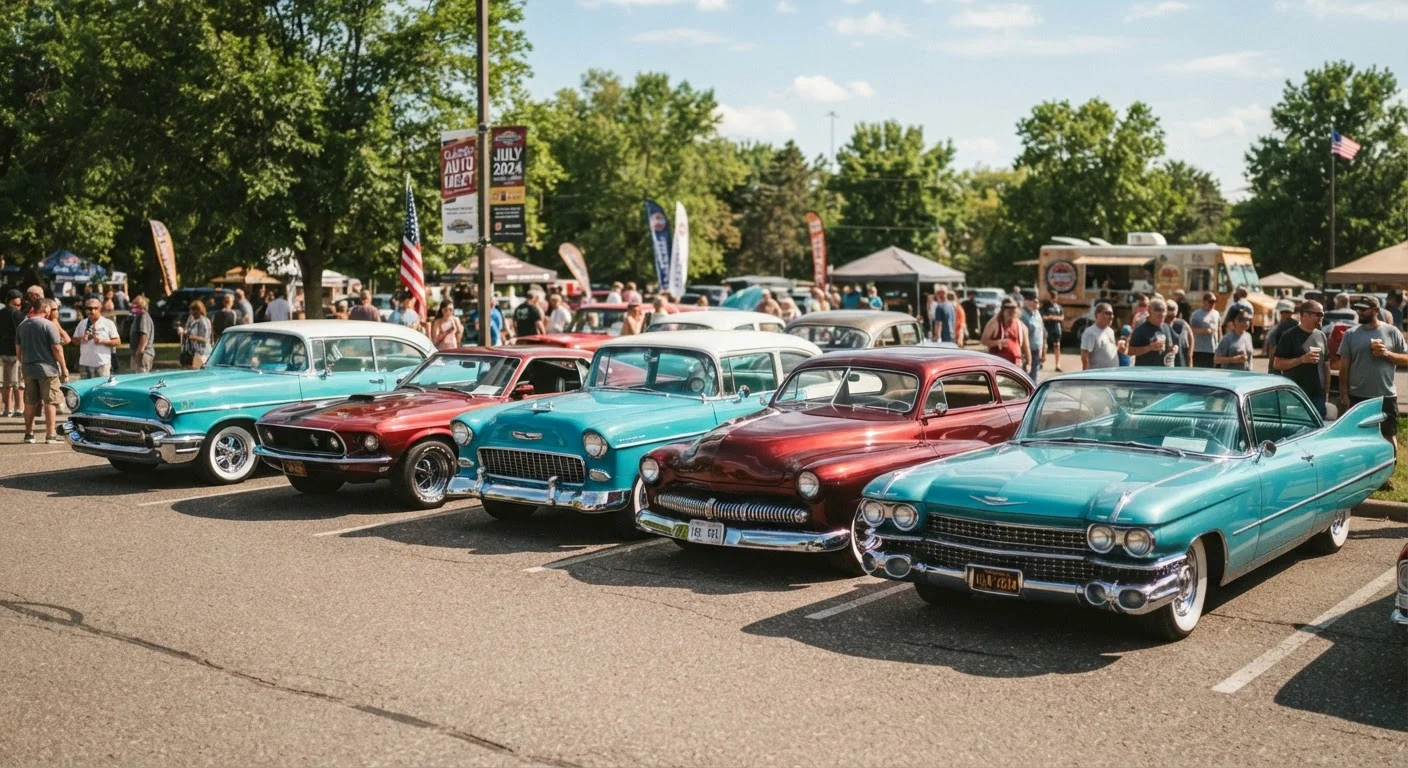
One of the most rewarding dimensions of the classic car hobby is its community. Marque-specific clubs - dedicated to a single make or model - maintain technical libraries, host driving tours, and connect members with parts and expertise. Regional and national car shows offer everything from casual weekend gatherings to elite concours events. Our guide to classic car shows and concours events explains how these events are structured and what they celebrate.
It's also worth noting that car culture has always drawn a diverse range of participants. Women have shaped automotive culture in ways that are often underrepresented in mainstream coverage - from early racing pioneers to contemporary builders and restorers.
What to Expect Before You Dive In
Entering the classic car world with clear expectations prevents costly surprises. A few realities to internalize from the start:
- Restoration costs escalate. What appears to be a simple project frequently reveals deeper mechanical or structural issues once disassembly begins. Budget conservatively and add a contingency reserve.
- Specialist inspection is non-negotiable. A general mechanic may miss era-specific issues. Always engage someone with marque experience before committing to a purchase. First-time buyers commonly learn this lesson the hard way.
- Storage matters. Climate-controlled, dry storage dramatically extends a vehicle's condition between uses.
- Insurance needs differ. Standard policies typically undervalue collector cars; agreed-value specialty coverage is the norm in the hobby.
Beware of Underestimating Running Costs
Classic vehicles often require more frequent maintenance than modern cars and may lack the parts availability that makes modern repairs straightforward. Factor in ongoing storage, insurance, maintenance, and potential restoration costs before acquiring any vehicle. Entering the hobby with a realistic financial picture makes the experience far more enjoyable.
If high-performance driving is also part of your interest, our companion piece on performance cars for beginners covers a different but overlapping segment of the enthusiast world.