Why Heated Seat Myths Persist
Heated seats have been a factory option on mainstream vehicles for decades, yet a surprising number of durable misconceptions follow them. Some originate from early-generation systems that genuinely had quality-control issues. Others stem from misapplied medical advice or a general anxiety about electrical systems inside vehicles. Whatever the source, these myths affect real purchasing decisions - and in some cases lead drivers to disable a feature that could meaningfully improve cold-weather comfort and safety.
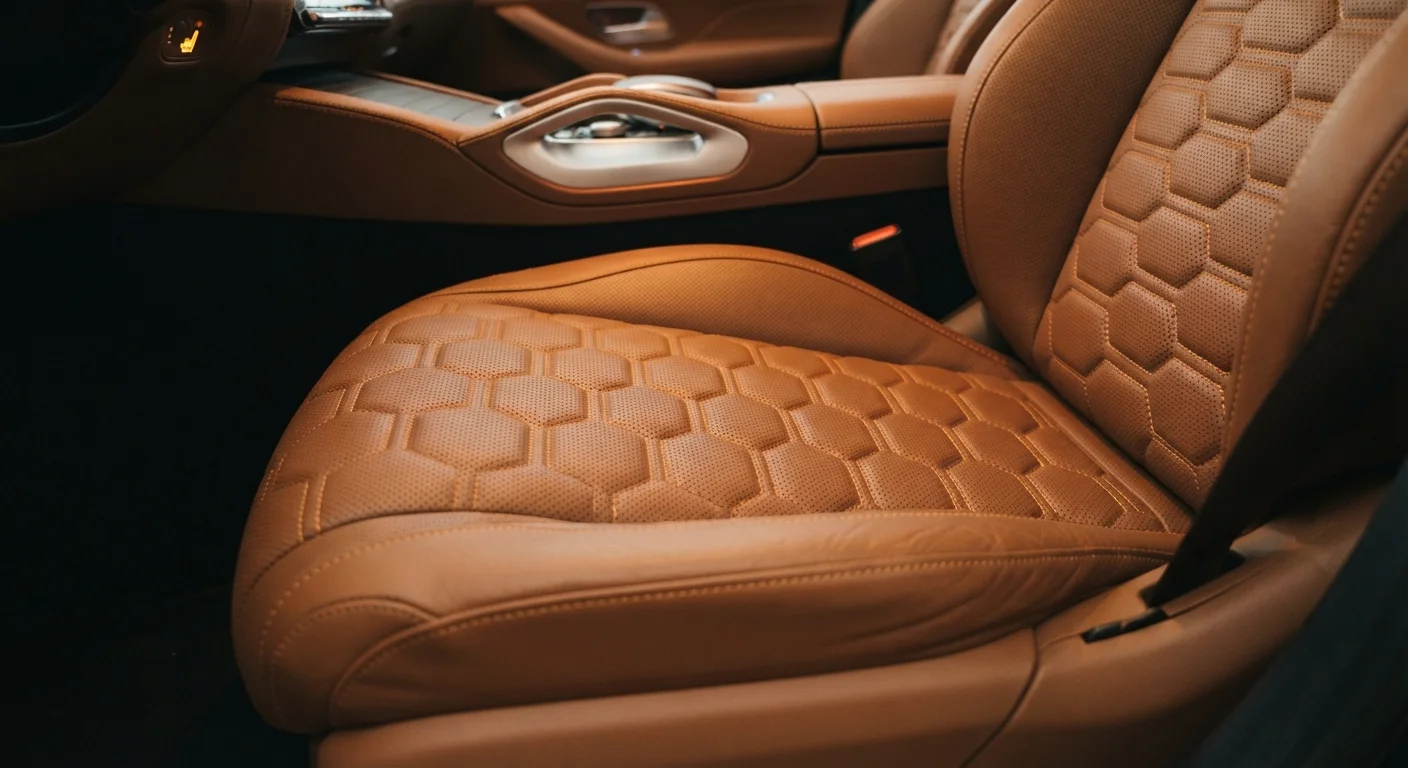
Understanding how modern heated seats actually work cuts through most of the confusion. Factory-installed systems typically use resistive heating elements woven into the seat cushion and backrest, controlled by a thermostat that cycles power to maintain a set temperature range. That basic engineering reality dismantles several of the most common myths on its own.
If you enjoy separating automotive fact from fiction in other areas, the same critical approach applies to persistent vehicle maintenance myths that quietly affect how owners treat their cars.
Myth
Running heated seats will drain my car battery significantly, especially on short trips.
Fact
Heated seats draw roughly 40-80 watts per seat - a fraction of what the headlights, HVAC blower, or rear defroster consume.
The concern about battery drain is understandable but overblown. A standard automotive resistive heating element pulls modest current, and because the system is thermostatically controlled, it cycles off once the seat reaches temperature. On a properly functioning charging system, the alternator replenishes this draw continuously while the engine runs. Heated seats become a marginal battery concern only when an existing battery is already weak or the vehicle sits with the ignition on but engine off for extended periods.
Myth
Heated seats are dangerous because they can catch fire or cause burns without warning.
Fact
Factory-installed systems include thermal cutoffs and temperature limits specifically engineered to prevent burns and component failure.
Modern OEM heated seat systems are designed to a regulated temperature ceiling - typically around 104-113°F (40-45°C) - and include automatic shutoffs if a sensor detects abnormal heat buildup. Documented burn incidents in safety databases have predominantly involved aftermarket installations lacking proper thermal protection or cases where occupants with reduced sensation (due to diabetes, spinal injury, or sedating medications) couldn't perceive sustained contact heat. The risk factor is specific, not universal, and factory systems perform very differently from poorly installed aftermarket kits.
Myth
Pregnant women should never use heated seats because they raise core body temperature dangerously.
Fact
Heated seats warm surface skin, not core body temperature - a distinction that matters clinically.
The medical concern about elevated maternal core temperature (hyperthermia) during pregnancy is legitimate, but it applies to situations like hot tubs, saunas, and sustained fever - not to seat heaters. A seat set to its standard operating temperature warms the contact surface of the skin and provides localized comfort. It does not raise core body temperature in the way that immersion in hot water does. Pregnant individuals who have specific concerns or complications should discuss them with their healthcare provider rather than avoiding the feature categorically.
Myth
Heated seats are just a luxury gimmick with no practical benefit over regular cabin heating.
Fact
Seat heaters warm occupants through direct conductive heat transfer, which is faster and more energy-efficient than warming cabin air.
Convective cabin heating requires warming a large volume of air before occupants feel comfortable - a process that takes several minutes and loses considerable energy to the interior surfaces and windows. Heated seats transfer warmth directly to the body's core-adjacent areas (lower back, thighs, lumbar region) almost immediately, which means occupants feel comfortable faster with lower overall energy expenditure. In hybrid and electric vehicles, where cabin heating draws directly from the traction battery, seat heaters are often recommended as the energy-efficient first choice for cold-weather comfort.
Myth
Aftermarket heated seat kits are essentially the same quality as factory-installed systems.
Fact
Aftermarket kits vary widely in thermal management, wiring standards, and material quality - and installation quality determines most of the risk.
OEM systems are validated against the seat's foam density, cover material, and vehicle electrical architecture as an integrated unit. Aftermarket kits range from well-engineered products from established suppliers to bare-minimum assemblies with undersized wiring and no meaningful thermal protection. The installation itself introduces additional variables: improper wiring connections, inadequate fuse protection, and elements positioned against foam or structural components in ways that create heat concentration. A qualified installer familiar with automotive upholstery and electrical systems reduces these risks substantially.
What the Evidence Actually Shows
The practical reality of heated seats is that they're among the more mature and well-validated comfort technologies in modern vehicles. Automakers have iterated on seat-heating systems across millions of production units, and the failure modes of early designs have largely been engineered out of current systems.
40-80W
Typical power draw per heated seat
Standard resistive heating elements in automotive seats consume roughly 40-80 watts, comparable to a single incandescent bulb rather than a major electrical load.
~45°C
Maximum surface temperature in factory systems
Most OEM heated seat systems are calibrated to a ceiling of approximately 40-45°C (104-113°F), with thermostat cycling to maintain that range.
That said, aftermarket installations deserve more scrutiny. Kits sourced from low-cost suppliers and installed without professional attention to wiring gauge, thermal cutoffs, and seat structure integrity do carry elevated risk - not from the concept of seat heating itself, but from shortcuts in execution. If you're adding heated seats to a vehicle that didn't come equipped from the factory, investing in a qualified installer and a reputable kit category matters more than most buyers realize.
Battery concerns are worth addressing precisely because they intersect with broader electrical health habits. Heated seats draw modest, consistent current rather than the large surge loads that actually stress a battery. For a full picture of what does and doesn't shorten battery life, see our guide on battery health checks and habits.
Reduced Sensation Increases Burn Risk
Individuals with reduced skin sensation - including those managing diabetes-related neuropathy, spinal cord conditions, or taking certain sedating medications - may not perceive sustained heat from any contact surface, including seat heaters. If this applies to you or a passenger, consult with a healthcare provider about safe use and consider lower temperature settings or limiting duration. This is a real, specific risk that does not apply to the general population, but it deserves clear acknowledgment.
For drivers exploring comfort and efficiency in other vehicle categories, it's worth noting that similar myth patterns appear across the hobby - from common e-bike misconceptions to assumptions about RV systems. Critical evaluation of received wisdom consistently pays off.