Why Maintenance Myths Stick Around
Vehicle maintenance advice travels fast - through mechanics, family members, online forums, and service reminder stickers on windshields. Some of it is genuinely useful. A lot of it is decades out of date, carried forward by habit rather than evidence.
The challenge is that outdated advice doesn't always cause immediate, obvious problems. A myth about oil change frequency or fuel grade might cost you nothing this week, but quietly drain your wallet or wear your vehicle unnecessarily over years of ownership. Understanding what modern vehicles actually need - based on manufacturer specifications rather than general folklore - is the foundation of smart upkeep.
For a structured look at what service milestones actually mean, see Your Vehicle's Maintenance Schedule, Explained. Below, we address the most persistent myths head-on.
Myth
You need to change your engine oil every 3,000 miles, no matter what.
Fact
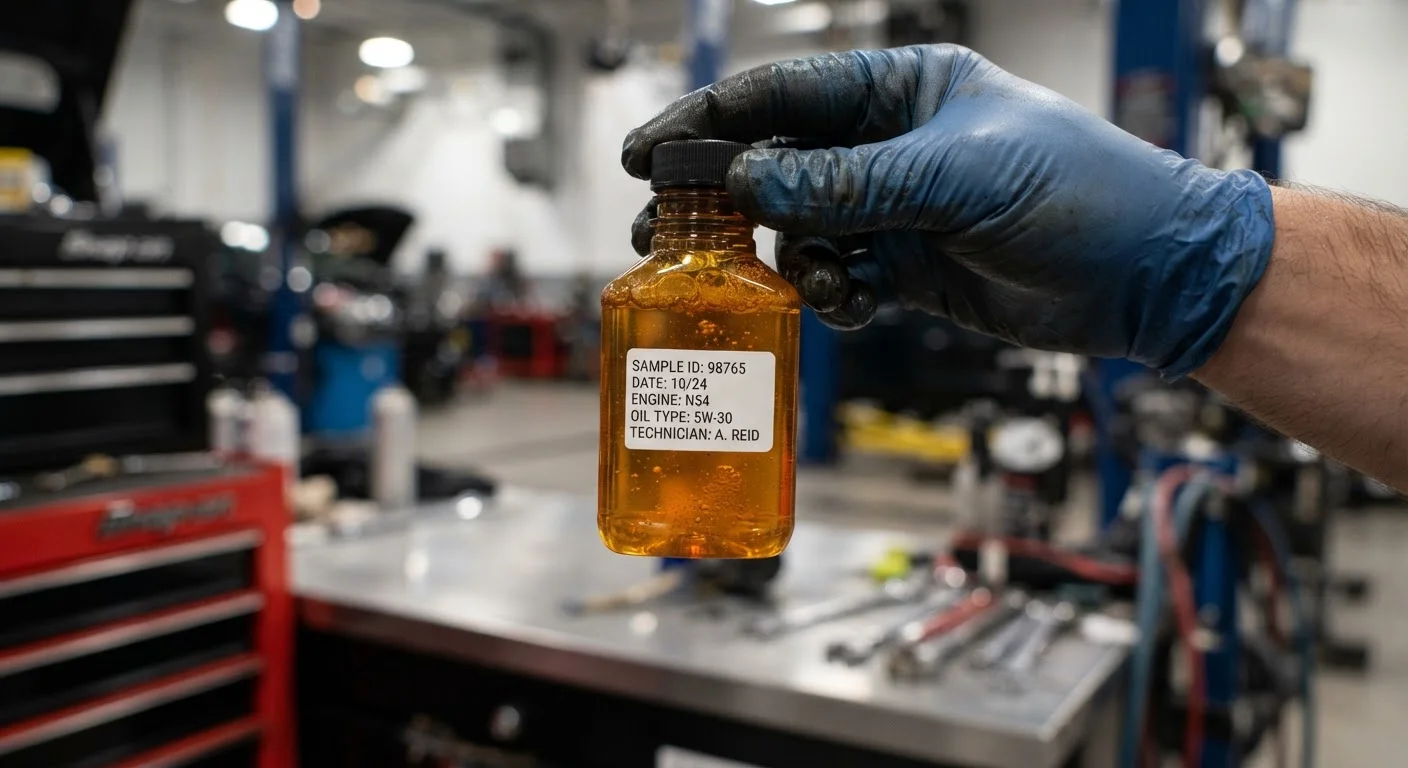
Most modern vehicles with conventional oil are engineered for 5,000-7,500-mile intervals, and many using full synthetic oil can go 10,000-15,000 miles between changes.
The 3,000-mile guideline dates to an era of older engine tolerances and conventional motor oils that degraded faster under heat and stress. Today's engines are built to tighter specifications, and modern oil formulations - particularly full synthetics - maintain their protective properties far longer. Your owner's manual specifies the correct interval for your engine and oil type; that figure should take precedence over a generic sticker. Changing oil more frequently than necessary wastes money and generates unnecessary used oil disposal. For a deeper look at oil chemistry and interval logic, see Common Misconceptions About Engine Oil.
Myth
You should let your engine idle for several minutes to warm it up before driving, especially in cold weather.
Fact
Fuel-injected engines - standard equipment since the mid-1980s - reach optimal operating temperature faster by driving gently than by idling.
Extended idling in cold weather was necessary for older carbureted engines that needed time to stabilize fuel mixture. Modern fuel injection systems manage this automatically. Prolonged idling actually delays full warm-up, wastes fuel, and can wash cylinder walls with unburned fuel over time, contributing to premature wear. The correct approach is to start the engine, allow about 30 seconds for oil to circulate, and then drive gently until the temperature gauge reaches normal range. This warms the transmission, wheel bearings, and other drivetrain components more effectively than stationary idling.
Myth
Premium fuel makes any engine run better and last longer.
Fact
Premium fuel only benefits engines specifically designed or tuned to require it. Using it in a standard engine yields no measurable performance or longevity advantage.
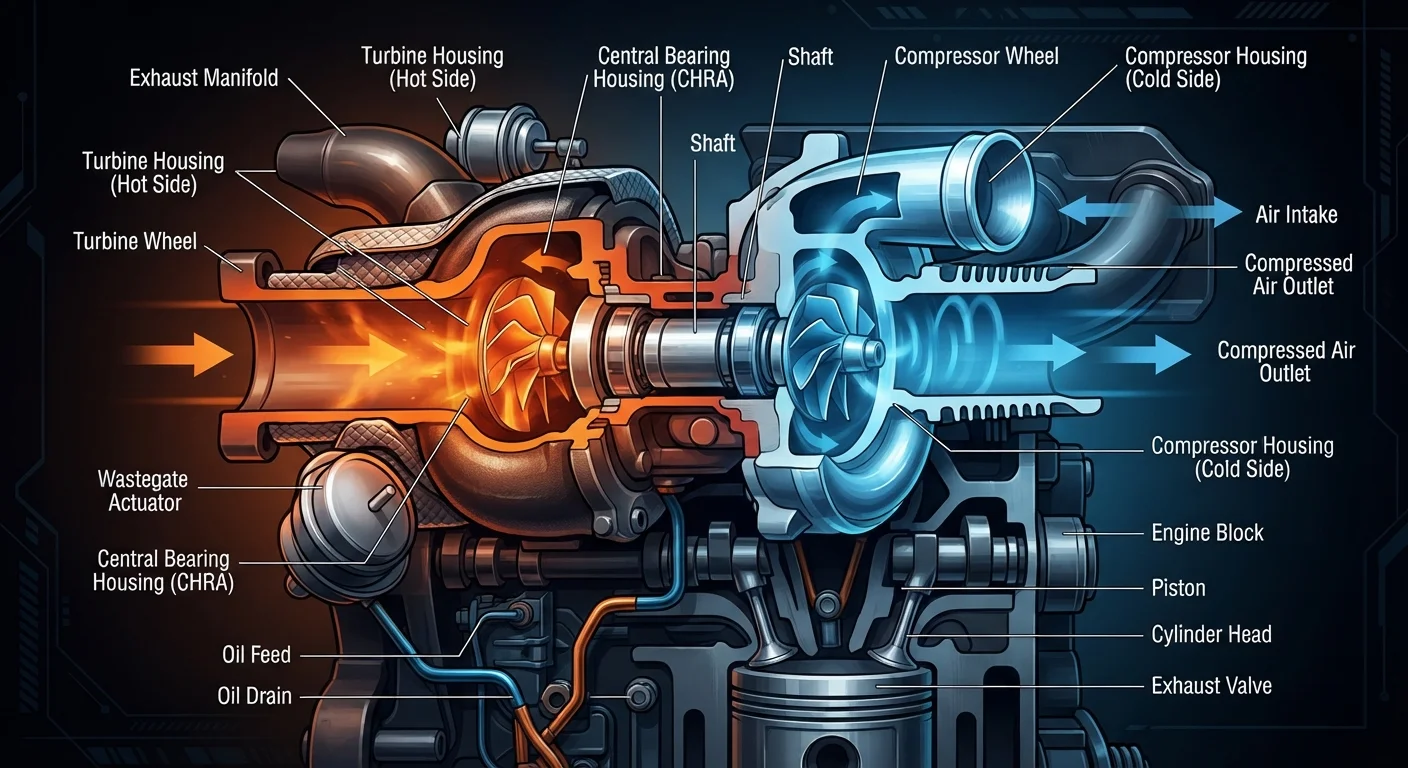
Higher-octane fuel resists premature ignition (knock) under high compression - which matters in high-performance or turbocharged engines that genuinely require it. In engines designed for regular fuel, the combustion system isn't calibrated to take advantage of the higher octane rating. Spending more at the pump on premium fuel for a standard engine is a financial cost with no mechanical return. Check the fuel cap or owner's manual: if it says required, use premium; if it says recommended or specifies regular, use regular.
Myth
If a battery is dead, jump-starting it fully recharges it after a short drive.
Fact
A short drive provides only a partial surface charge - a deeply discharged battery needs several hours of driving or a dedicated battery charger to recover properly.
The alternator is designed to maintain a charged battery during normal operation, not to recover a deeply discharged one efficiently. After a jump start, a brief drive may be enough to keep the engine running, but the battery may not regain sufficient charge to start the vehicle again after sitting. If a battery has discharged deeply or repeatedly, it may have sustained internal damage that no amount of driving will reverse. A battery load test at a service shop can determine whether the battery is still serviceable or needs replacement.
Myth
Flushing your transmission fluid is harmful to high-mileage vehicles and should be avoided.
Fact
Whether a transmission fluid service is appropriate depends on the vehicle's service history, not mileage alone.
The concern stems from cases where transmission fluid that has been neglected for very high mileage is suddenly exchanged - in some instances, this has coincided with transmission issues. However, the consensus among many transmission specialists is that the problem is typically pre-existing wear or damage, not the fluid change itself. If transmission fluid has been changed on schedule throughout a vehicle's life, continued regular service is appropriate. Skipping fluid changes entirely because a vehicle has high mileage is not a recognized best practice. Consult a qualified transmission technician and your owner's manual for guidance specific to your vehicle.
How to Read Your Vehicle's Actual Maintenance Needs
Every vehicle leaves the factory with an owner's manual that specifies service intervals for that exact drivetrain, engine, and operating environment. These recommendations account for oil type, transmission fluid, coolant, spark plugs, and dozens of other components - and they vary significantly by make, model, and model year.
5,000-10,000 mi
Typical modern oil change interval
Many automakers specify intervals well beyond 3,000 miles in owner's manuals, particularly for vehicles using full synthetic oil.
30 seconds
Recommended cold-start idle before gentle driving
Most fuel-injected engine guidelines suggest a brief idle for oil circulation, then driving gently - not extended stationary warm-up.
Two factors your manual may distinguish are normal and severe driving conditions. Severe conditions - frequent short trips, extreme temperatures, towing, or stop-and-go traffic - genuinely do warrant more frequent service on certain items. But that determination should come from the manual, not from a blanket reminder on a sticker.
If you're building consistent service habits, Vehicle Maintenance for New Drivers walks through the essential checks every owner should understand. And if you want to understand how small oversights grow into large bills, Why Skipping Minor Services Can Cascade Into Major Repairs makes the case clearly.
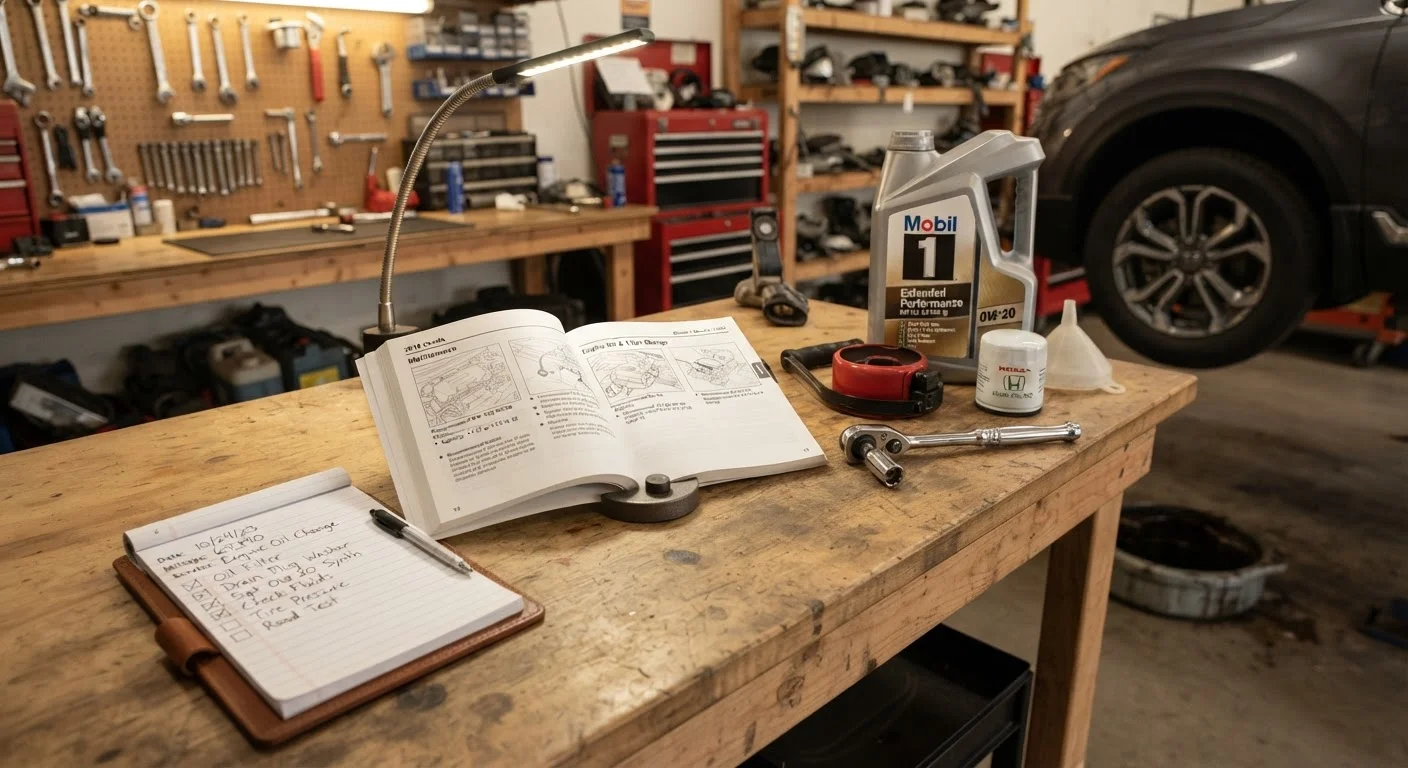
Tracking what's been done - and when - is equally important. A written or digital service log protects your warranty claims, supports resale value, and helps you make informed decisions at the shop. See Keeping a Maintenance Log for practical guidance on what to record.
Don't Rely Solely on Service Reminder Stickers
Oil change reminder stickers applied by quick-lube shops often default to conservative, generalized intervals that may not match your vehicle's actual specifications. Always cross-reference any third-party reminder with the interval listed in your owner's manual. When in doubt, consult a qualified mechanic who has access to your specific vehicle's service data.
This article is intended for general informational purposes only. Always consult your vehicle's owner's manual and a qualified mechanic for guidance specific to your vehicle and situation.