Helmets: Managing Energy Before It Reaches the Brain
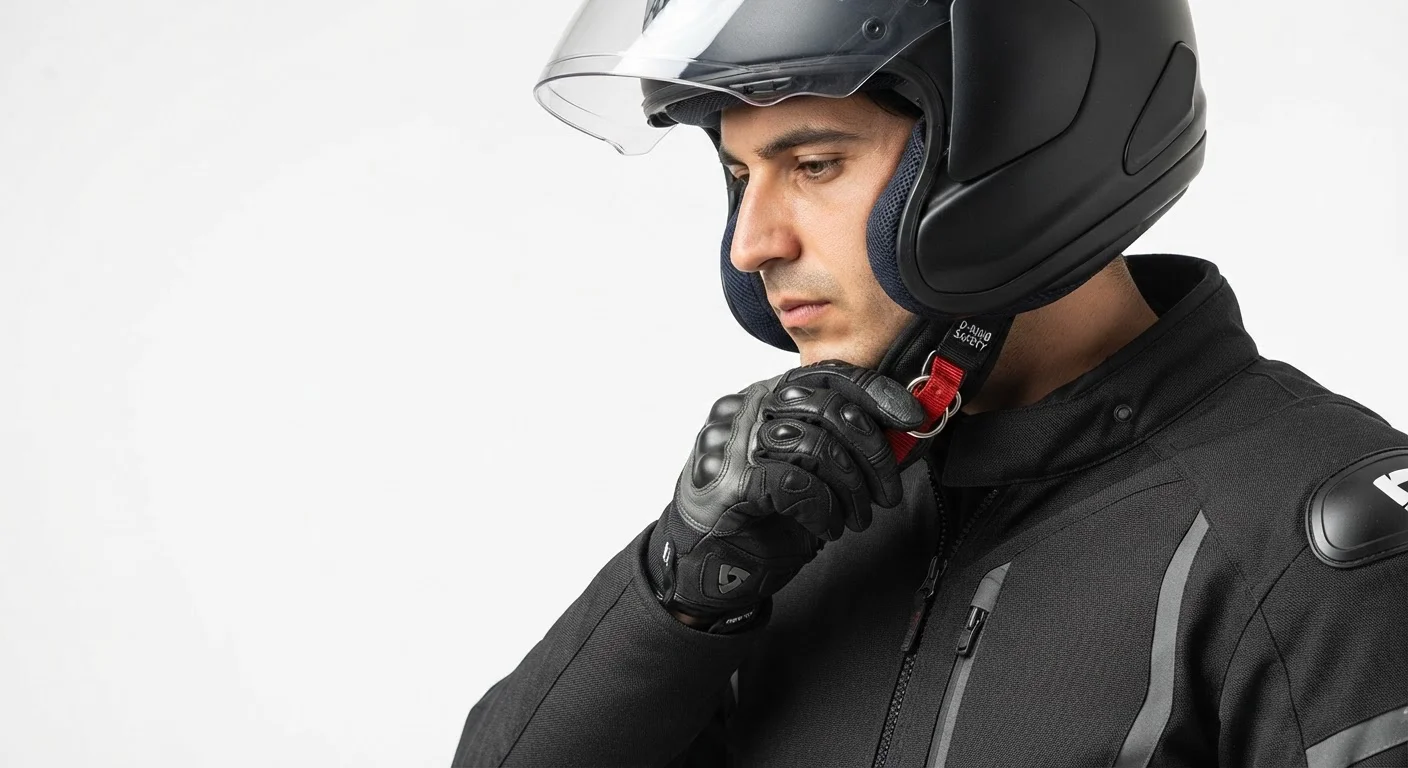
A helmet's job is not simply to be hard. Its layered construction is designed to manage kinetic energy through a controlled sequence. The outer shell - typically fiberglass composite, carbon fiber, or polycarbonate - distributes the force of an impact across a wider area. Beneath it, the expanded polystyrene (EPS) foam liner crushes progressively, converting kinetic energy into heat and deformation rather than transmitting it directly to the skull.
Full-face helmets extend this protection to the chin and jaw, which are frequently involved in motorcycle and open-cockpit crashes. Open-face and three-quarter helmets offer less coverage but are common in lower-speed or comfort-prioritized applications. The visor or face shield also plays a role, deflecting debris, wind, and in motorsport environments, fire.
For a deeper look at how helmets integrate with other riding protection, see how helmets work within a layered protection system.
Check the Date Code on Your Helmet
Every helmet carries a manufacture date stamped inside the liner or on a label. This date - not the purchase date - is what standards bodies use to calculate the replacement window. A helmet that sat in a warehouse or store for two years before you bought it has less usable life remaining than it may appear.
Harnesses and Restraints: Controlling Body Motion in a Crash
A standard three-point seatbelt - the kind in every passenger car - works by spreading crash forces across the chest, shoulder, and pelvis rather than concentrating them on a single point. The belt geometry is specifically designed to load the skeletal structures best equipped to handle that force: the clavicle, ribcage, and iliac crest of the pelvis.
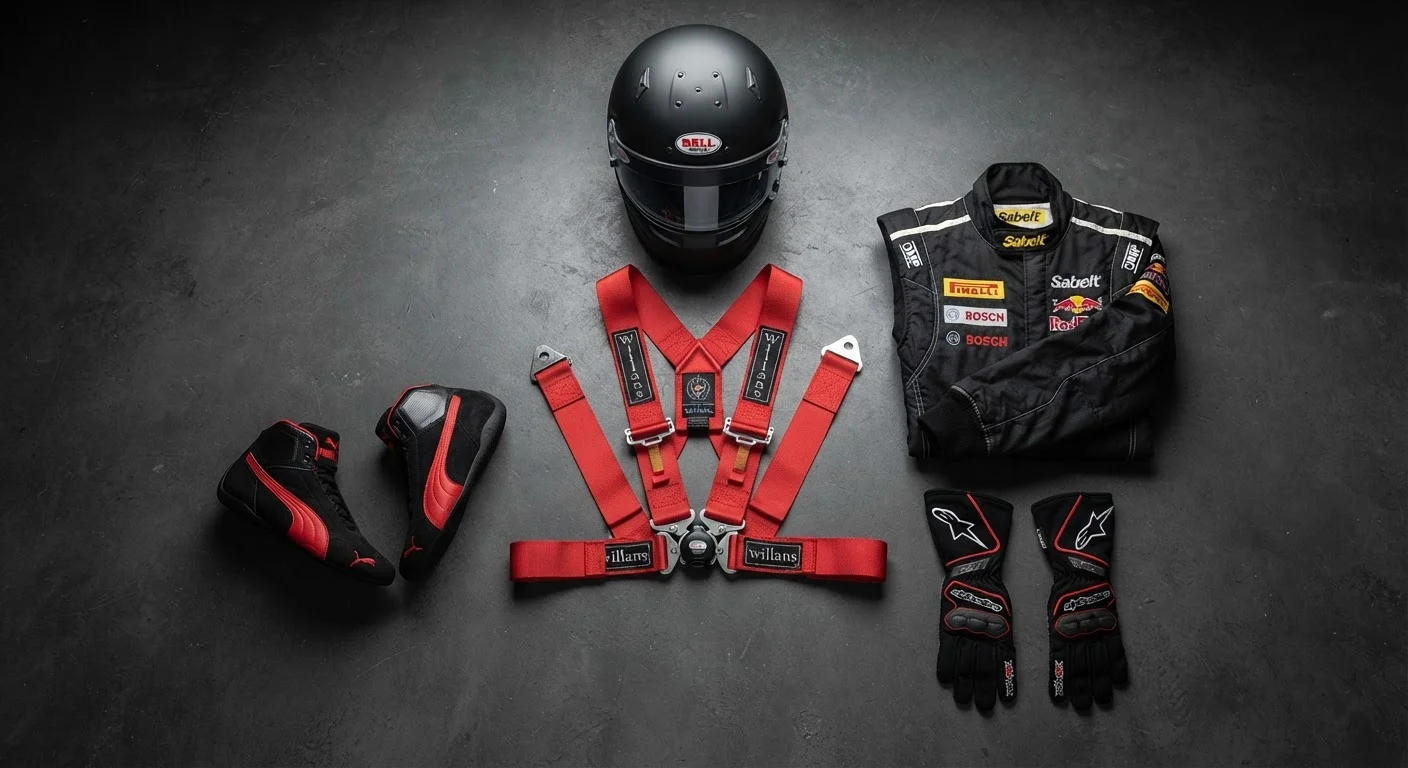
Multi-point harnesses, used in racing and high-performance driving, refine this further. By adding shoulder belts that pull the occupant firmly into the seat and anti-submarine straps that anchor the pelvis, these systems dramatically reduce occupant movement relative to the vehicle - which is what causes injury. However, multi-point harnesses require a properly designed seat and rollover protection to function safely; using them in a standard street car without those supporting systems can increase injury risk rather than reduce it.
5 sec
Protection window a rated fire suit provides before second-degree burn
SFI Foundation TPP ratings quantify the seconds of protection at a specified heat flux before tissue damage occurs - underlining that suits buy escape time, not immunity.
5 years
Recommended helmet replacement interval from manufacture date
Snell Memorial Foundation and most major helmet manufacturers recommend replacing helmets within five years of manufacture due to EPS liner degradation.
6-point
Harness configuration used in professional motorsport
The addition of anti-submarine straps in 6-point systems prevents pelvis submarining under the lap belt, a key failure mode of simpler 4-point configurations.
The HANS device complements harness systems by addressing the one force harnesses cannot fully control: the forward inertia of the helmeted head. Understanding how vehicle components like pretensioners and crumple zones interact with your restraints gives a more complete picture of crash dynamics.
Fire-Resistant Suits and Underwear: Buying Time, Not Immunity
Fire-resistant driving suits are made from materials such as Nomex or similar aramid fibers that char rather than melt when exposed to flame. This is a critical distinction: the suit does not make the wearer impervious to fire. What it provides is thermal protection for a measured duration - typically enough time for the driver to exit the vehicle or for suppression systems to activate.
Suit ratings, set by the SFI Foundation or the FIA, quantify this as a Thermal Protective Performance (TPP) score. A higher TPP number means more seconds of protection before a second-degree burn occurs. Underwear layers made from the same materials are not optional accessories - they substantially increase the total TPP of the system.
Gloves and boots made from fire-resistant materials complete the coverage, ensuring no skin is left exposed. This is particularly relevant in sanctioned motorsport, where regulations specify minimum TPP ratings for each component. For guidance on how gloves, boots, and armour function together, see building a layered protection system for riders.
Street vs. Motorsport Suit Standards
Fire-resistant suits intended for motorsport use carry SFI or FIA certifications tied to specific heat-flux test conditions. Garments marketed as 'fire resistant' without these ratings may meet basic material standards but have not been independently verified for the time-to-burn thresholds that sanctioning bodies require. When in doubt, reference the certification marking rather than marketing language.
Getting Fit Right: When Gear Fails Despite Its Rating
A helmet that sits too loosely will rotate on impact, reducing the EPS liner's ability to manage energy directionally. A harness worn too slack allows the occupant to travel farther before the belt loads - increasing the likelihood of secondary strikes against interior surfaces. Certification ratings are achieved under controlled lab conditions with correct fit; real-world performance depends entirely on replicating that fit every time you get in the vehicle.
This is particularly important for riders and drivers who share gear, or who purchase equipment without proper fitting assistance. Correct sizing and adjustment principles apply equally to helmets, harnesses, and body armour - and are often where protection breaks down in practice.
For those interested in what dedicated motorsport environments demand, in-car safety equipment for track day participants covers roll cages, fire suppression systems, and HANS device requirements in detail. And if you want to understand the vehicle-side systems that work alongside your gear, how airbag systems work and what affects their performance is a useful companion read.
This article is for informational and educational purposes only. Safety gear requirements vary by jurisdiction, sanctioning body, and vehicle type. Always consult the regulations applicable to your specific activity and seek fitting assistance from a qualified specialist.