Why Condition Comes Before Modification
The appeal of a performance upgrade - a tune, coilovers, a cold-air intake - is easy to understand. What's less obvious is how quickly those upgrades become dangerous or ineffective when the underlying vehicle is compromised. Worn bushings don't suddenly behave when you add stiffer springs. A brake system running on marginal pads and a soft master cylinder won't keep pace with added horsepower. The modification amplifies whatever the car already is, good or bad.
This checklist is designed to give you an honest picture of your vehicle's mechanical health before you spend on upgrades. It's not a substitute for a professional inspection - and several items here explicitly call for one - but it gives you a structured framework to work through systematically. If you're just starting to think about your first upgrade, see our grounded starting point for first-time performance modifications for context on sequencing and realistic expectations.
Do Not Tune a Car With Active Fault Codes
An ECU tune or power-adding modification applied to a vehicle with unresolved diagnostic codes can mask symptoms, damage components, or create unsafe operating conditions. Always clear and resolve fault codes - and confirm they do not return - before any engine management or forced-induction work. If you're unsure what a code means, consult a qualified technician before proceeding.
What You'll Need
A few basic tools and resources will make this assessment more productive. You don't need a fully equipped shop, but a lift or sturdy jack stands makes a meaningful difference for the underside checks.
OBD-II Scanner
Read stored and pending diagnostic trouble codes from the vehicle's ECU before adding any engine-related modifications.
Brake Pad Thickness Gauge
Accurately measure remaining pad material at all four corners to confirm brakes meet the minimum threshold before upgrades.
Floor Jack and Jack Stands
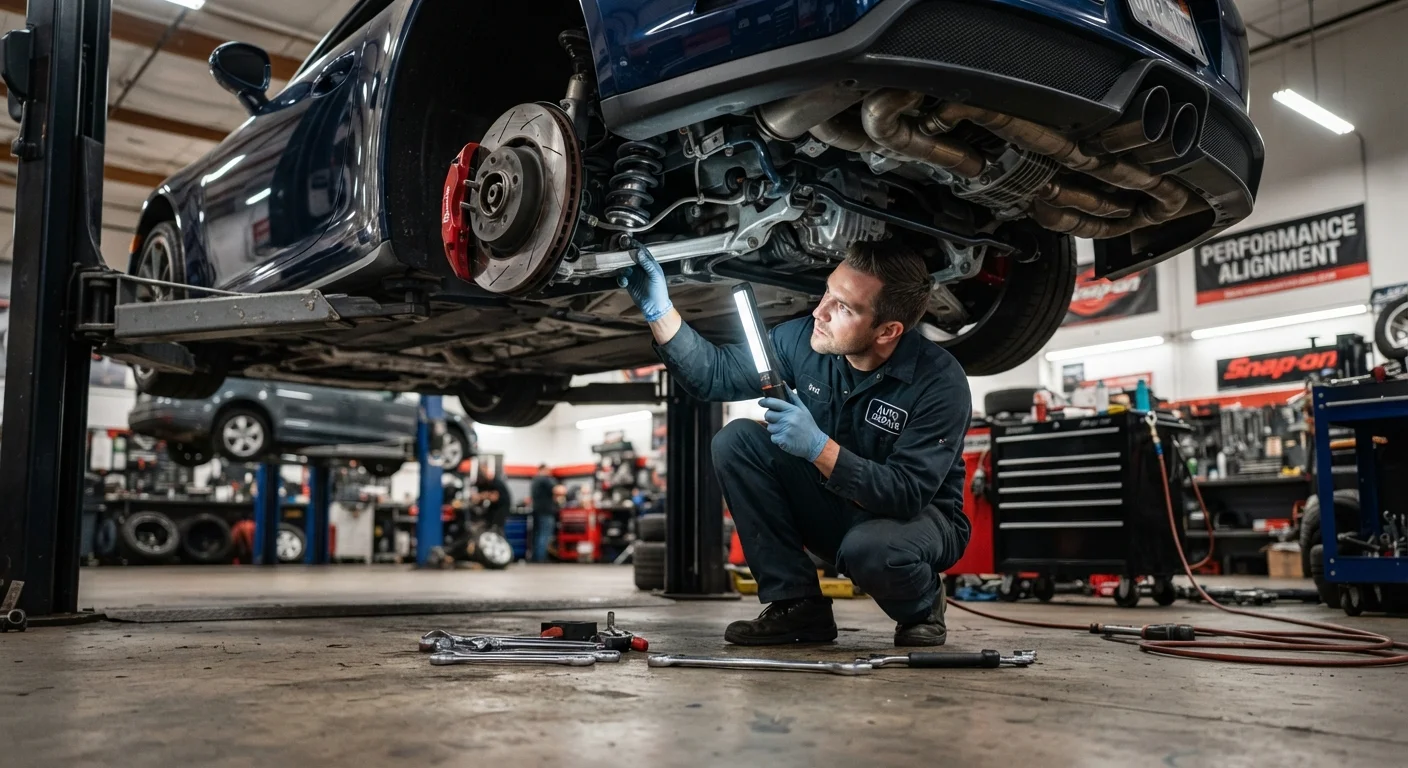
Safely raise and support the vehicle so you can inspect suspension components, wheel bearings, and brake hardware from underneath.
Tread Depth Gauge
Measure precise tread depth across all tires to assess whether existing rubber is appropriate for increased performance demands.
Flashlight or Inspection Light
Illuminate hard-to-see areas under the vehicle including bushing interfaces, brake hoses, and CV boot condition.
Torque Wrench
Verify wheel fasteners are torqued to specification after any inspection that involves removing wheels.
Digital Camera or Smartphone
Document current condition of all inspected components to establish a dated pre-modification baseline record.
The Pre-Upgrade Condition Checklist
Work through each group in order. Items marked must are non-negotiable - any failure here should be resolved before any modification proceeds. Items marked should represent strong best practice, and nice to have items will improve your baseline data and long-term results.
For a parallel look at how thorough vehicle inspection applies in a purchase context, the pre-purchase inspection checklist for used vehicles covers overlapping territory with useful detail on drivetrain and electrical assessment.
Brakes
Suspension & Steering
Drivetrain & Engine
Tires & Wheels
Documentation & Baseline
Suspension Inspection Limits for DIYers
Several suspension checks - particularly ball joint and tie rod evaluation - require specific load conditions and experience to assess accurately. An item that appears acceptable during a static visual check may show dangerous play under dynamic load. If you have any doubt about your assessment of steering or suspension components, have a qualified alignment or suspension technician evaluate the vehicle before installing any performance parts.
Modification May Affect Insurance and Registration
Certain performance modifications - particularly those affecting emissions systems, suspension height, or brake specifications - may affect your vehicle's compliance with state inspection requirements or your insurance coverage. Check your state's regulations and review your policy terms before proceeding with significant upgrades.
After the Checklist: Interpreting Your Results
If you've flagged items in the brakes, suspension, or drivetrain categories, those represent your actual first modification - bringing the vehicle back to a sound, stock baseline. This isn't wasted money; it's the foundation every subsequent upgrade depends on.
Once your vehicle passes this audit, you'll also have a documented condition baseline. Record your findings with photos and notes. This makes it far easier to assess what any given modification actually changed, rather than guessing through accumulated variables.
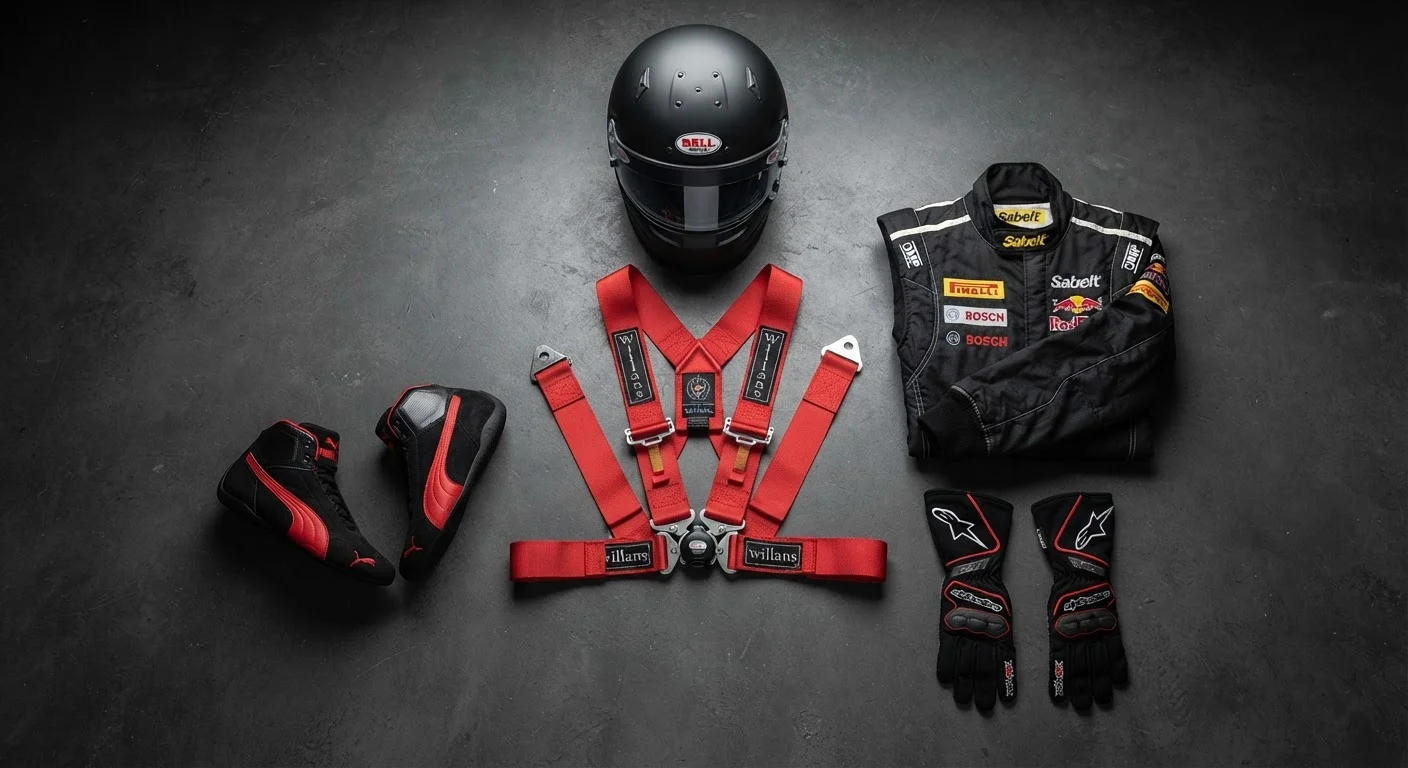
The diagnosis hub is a useful reference if any inspection step surfaces an unfamiliar symptom you want to understand before taking it to a shop. And if you're considering modifications that affect vehicle dynamics significantly - particularly suspension or brake upgrades - treat safety equipment evaluation as part of that conversation. Our safety gear hub covers driver and vehicle protection considerations worth reviewing alongside any performance-focused build.