Why Early Detection Matters
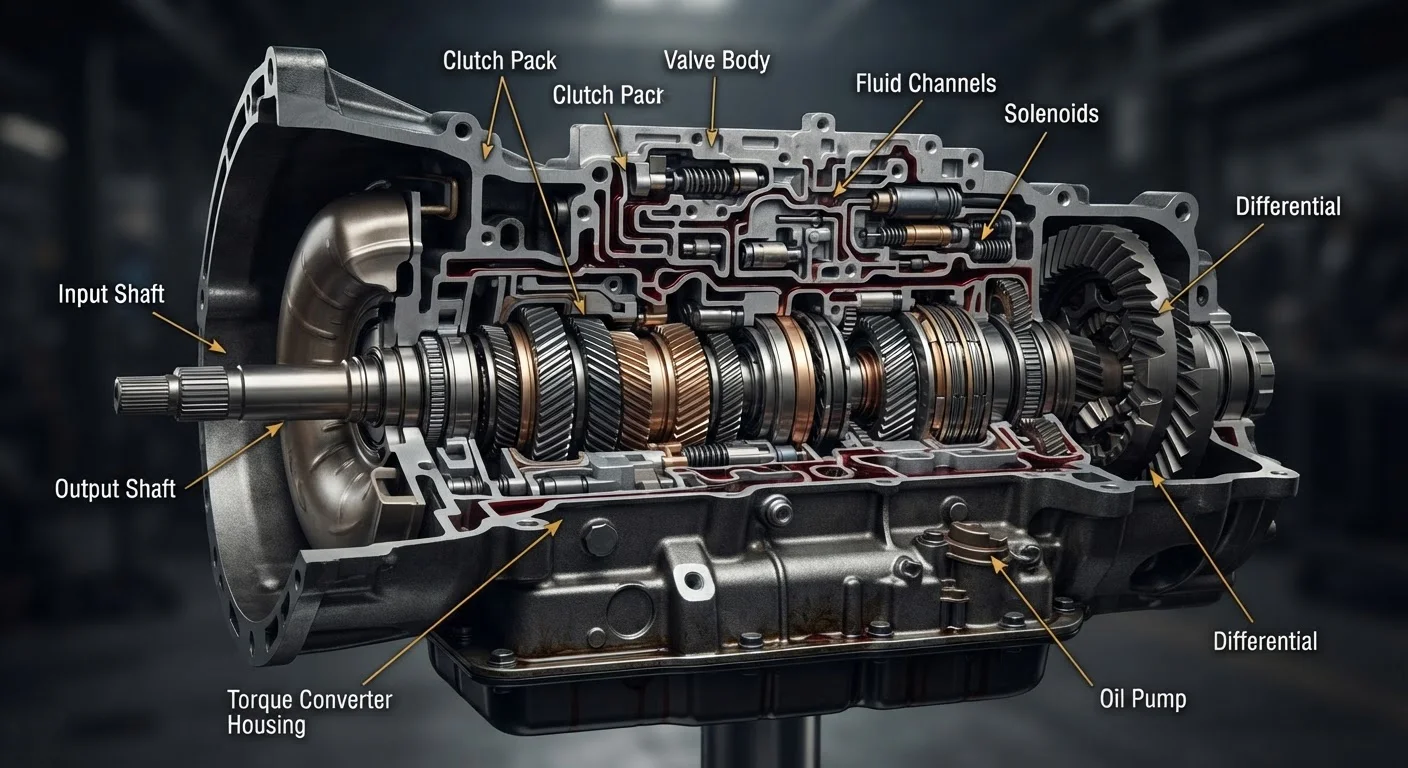
The transmission is one of the most mechanically complex and expensive assemblies in any vehicle. Whether your vehicle uses an automatic, manual, or continuously variable transmission (CVT), it relies on precise hydraulic pressure, friction materials, and electronic controls working in concert. When something starts to go wrong, the system rarely fails without warning - it almost always signals distress first.
The challenge is knowing what to listen, look, and feel for. Many drivers dismiss early symptoms as normal quirks or attribute them to unrelated causes. By the time shifting becomes genuinely difficult or the transmission refuses to engage a gear, the repair bill has often grown dramatically. Understanding the early signs lets you act while a fix is still straightforward.
This is the same diagnostic mindset covered in our guide to decoding unusual engine noises - symptoms are a communication system, not random events. Below are the most reliable early warning signs to watch for.
Gear Slipping During Normal Driving
Gear slipping occurs when the transmission unexpectedly shifts out of the intended gear without driver input, or when the engine revs climb steeply without a corresponding increase in vehicle speed. In an automatic, this often feels like a brief surge or loss of power mid-acceleration. In a manual, the driver may notice the gear lever popping back toward neutral under load.
The underlying causes can include worn clutch packs (automatic), low hydraulic pressure, stretched friction bands, or low transmission fluid. Because the symptom is intermittent early on, it's easy to dismiss - but slipping places severe heat stress on internal components each time it occurs, accelerating wear.
Each slipping event generates excess heat that accelerates internal wear - early action matters.
Delayed or Hesitant Engagement
When you shift from Park to Drive or Reverse, the vehicle should move within a second or two of the selector engaging. A noticeable delay - sometimes called engagement lag - where the engine revs but the vehicle doesn't move promptly is a meaningful warning sign.
This symptom commonly points to low or degraded transmission fluid, a worn torque converter (in automatics), or valve body issues that affect hydraulic pressure routing. In cold weather, some brief hesitation on initial start-up can be normal as fluid warms, but persistent lag at operating temperature is not.
Persistent engagement lag at operating temperature is never normal and warrants prompt inspection.
Unusual Fluid Color or Smell
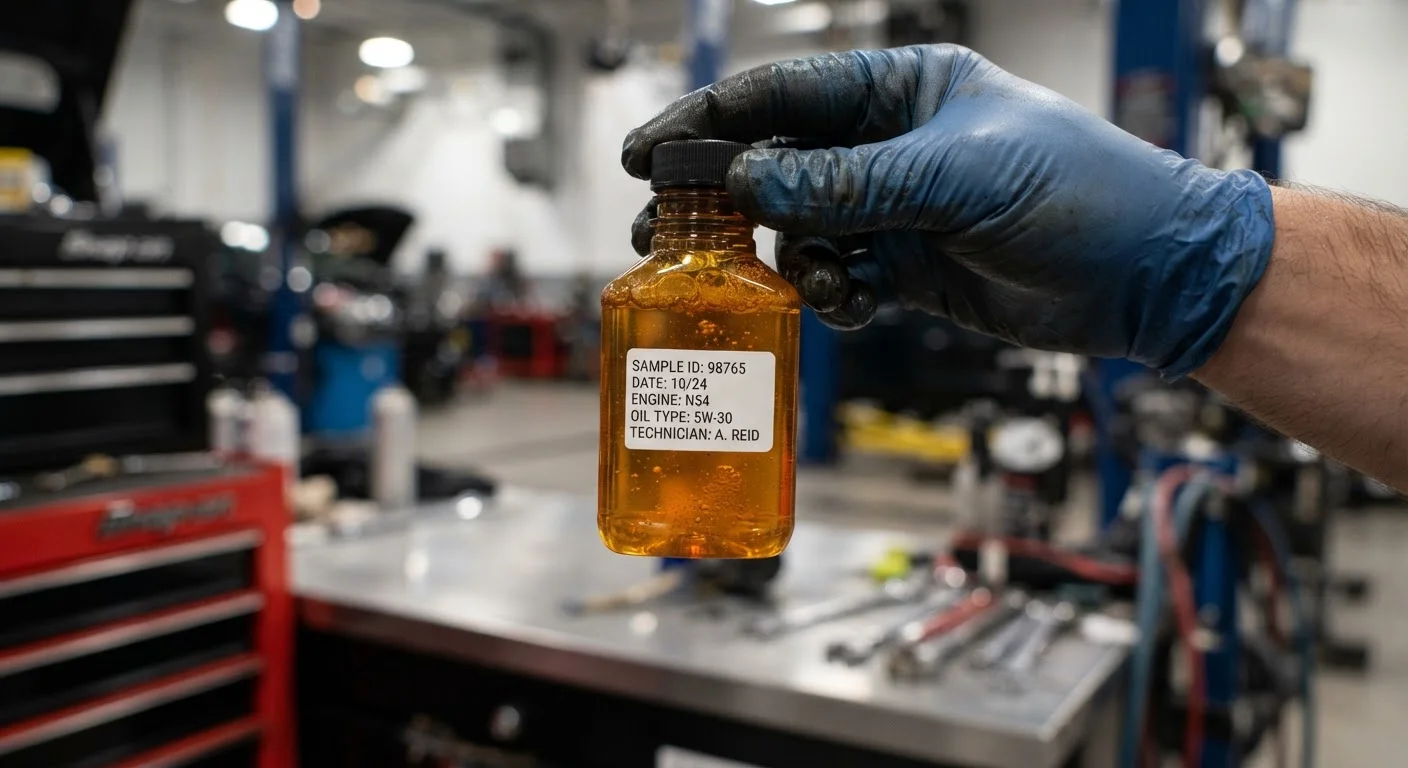
Healthy automatic transmission fluid (ATF) is typically translucent and red or pink in color. Pulling the transmission dipstick - where present - and observing the fluid on a white cloth or paper is one of the fastest diagnostic checks available to any vehicle owner.
- Dark brown or black fluid: Indicates oxidation and overheating; friction material may be breaking down.
- Milky or foamy fluid: Suggests coolant contamination, often from a failed transmission cooler inside the radiator - a serious condition requiring immediate attention.
- Burnt smell: Signals overheating, often from slipping clutch packs or inadequate fluid level.
Note that many modern sealed transmissions do not have a dipstick; fluid inspection on these requires a dealer or shop with the correct tools.
Dark, burnt-smelling fluid is one of the clearest early signs that internal overheating has already begun.
Rough, Jerky, or Erratic Shifting
Smooth gear transitions are a baseline expectation for any functioning transmission. When shifts become noticeably abrupt, accompanied by a thud or lurch, or when the transmission hunts back and forth between gears without settling, the system is struggling. In automatics, this often involves solenoid faults, degraded fluid viscosity, or worn clutch pack clearances. In CVTs, belt or pulley wear can produce shuddering during acceleration.
Electronic controls play an increasingly large role in modern transmissions, and a faulty transmission range sensor or throttle position sensor can produce erratic shift behavior that mimics mechanical faults - which is why professional diagnostic scanning is valuable.
Erratic shifting in modern vehicles can stem from sensor faults, not just mechanical wear - scan codes first.
Whining, Clunking, or Humming Noises
Transmissions should operate with minimal noise. Emerging sounds are worth cataloguing carefully - when they occur, at what speed, and during which driving conditions:
- Whining under acceleration: Often associated with low fluid level or a failing torque converter.
- Clunking when shifting: May indicate worn motor or transmission mounts, or damaged internal components.
- Humming at highway speed: Can point to bearing wear inside the transmission or differential, though wheel bearing faults can produce similar sounds.
The difficulty is that noise symptoms can originate from several sources. Systematic diagnosis - ruling out exhaust, driveshaft, and wheel bearing causes first - helps isolate the transmission as the true source before any parts are replaced.
Whining, clunking, and humming each point to different internal faults - location and timing matter.
Warning Lights and Stored Fault Codes
Most vehicles manufactured after the mid-1990s store transmission-related fault codes in the powertrain control module (PCM) or a dedicated transmission control module (TCM). These codes are triggered by sensors monitoring speed, temperature, pressure, and solenoid performance across the transmission.
A check engine light or a dedicated transmission warning indicator does not always indicate catastrophic failure - it may be logging an early-stage fault like an intermittent solenoid or a temperature exceedance. However, ignoring stored codes and continuing to drive can allow a manageable issue to escalate. An OBD-II scanner can retrieve these codes; a transmission-specific scanner provides deeper data. See our guide to what dashboard warning lights actually mean for context on urgency levels.
A stored transmission fault code is the system asking for help before a failure becomes unavoidable.
When to Stop and Seek Professional Help
Recognising a symptom is the first step; correctly attributing it to the transmission - rather than an engine, driveline, or electronics issue - is a separate skill. Misdiagnosis is a common and costly mistake, particularly with transmission faults that can mimic engine hesitation or fuel delivery problems.
Start With a Fluid Check
If you notice any of the symptoms above, a transmission fluid inspection is the safest first step most owners can perform themselves on vehicles with accessible dipsticks. Check the level, color, and smell with the engine warm and the vehicle on level ground. This simple check takes under five minutes and can quickly confirm whether low or degraded fluid is a contributing factor - information a mechanic will want regardless.
If multiple symptoms appear together, or if any single symptom emerges suddenly and severely, stop driving and arrange a tow. Continuing to drive a vehicle with a compromised transmission can accelerate internal damage significantly. A qualified transmission specialist - or a general mechanic with transmission diagnostic tools - can perform a fluid analysis, pressure test, and scan for stored fault codes to isolate the root cause accurately.
Also keep dashboard indicators in mind: a check engine light alongside shifting irregularities often means the transmission control module has logged a fault code. See our guide to understanding dashboard warning lights for guidance on urgency and next steps.
This article is for informational and educational purposes only. Transmission diagnosis and repair involves complex mechanical and safety considerations - always consult a qualified mechanic before undertaking repairs beyond basic fluid inspection.