Why Engine Oil Myths Are So Persistent
Engine oil is one of the most discussed - and most misunderstood - fluids in any vehicle. Advice passed down from mechanics, family members, and quick-lube marketing has created a durable layer of folklore around what oil does, how often it needs changing, and which type is "best." The result is that many vehicle owners spend money unnecessarily or, in some cases, make decisions that genuinely shorten engine life.
Understanding how oil actually functions inside an engine is the most reliable way to cut through that noise. Engine oil serves multiple roles simultaneously: it forms a lubricating film between metal surfaces to reduce friction and wear; it carries heat away from areas the cooling system cannot directly reach; it suspends contaminants and combustion byproducts, carrying them to the filter; and it contains additive packages that help prevent oxidation, corrosion, and foam. None of those functions are visible to the naked eye, which makes the fluid easy to misread.
For a deeper look at how viscosity grades and oil specifications are structured, see our guide to engine oil grades and viscosity. And if you find these myths familiar, you may also recognize patterns in other persistent vehicle maintenance myths that quietly affect ownership costs.
Myth
You must change your engine oil every 3,000 miles, no exceptions.
Fact
Most modern engines with contemporary oil formulations can go 5,000 to 10,000 miles or more between changes, depending on the manufacturer's specification and driving conditions.
The 3,000-mile interval originated when engines had tighter manufacturing tolerances, oils had simpler additive packages, and extended-drain synthetics did not exist. Modern full-synthetic and synthetic-blend oils are formulated to maintain protective properties far longer. Your owner's manual is the authoritative source for your vehicle's actual interval - following a shorter schedule wastes money and generates unnecessary used-oil waste without measurable engine benefit.
Myth
Dark or black oil means it needs to be changed immediately.
Fact
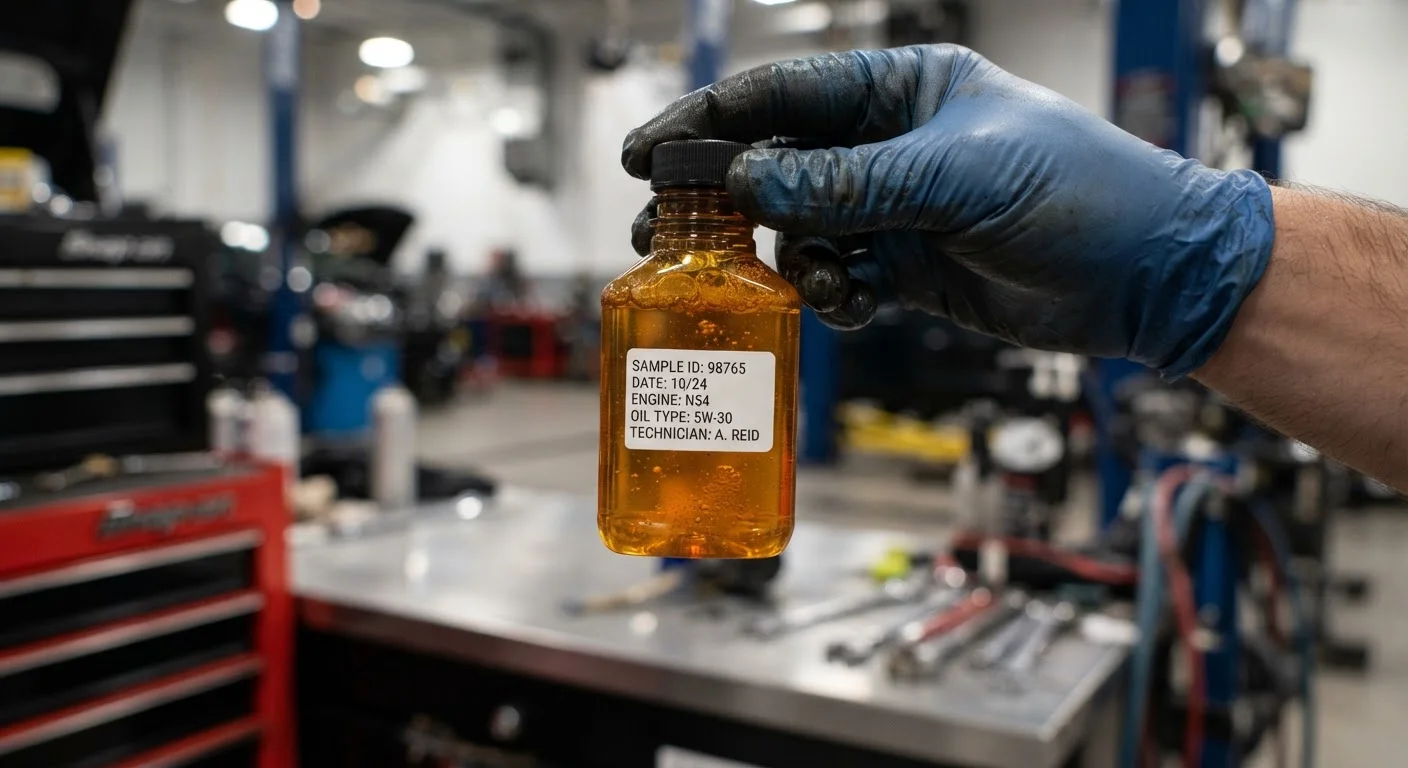
Oil darkens as it does its job - suspending combustion byproducts and carbon particles. Color alone is not a reliable change indicator.
A well-functioning detergent oil will turn dark brown or black relatively quickly because it is actively cleaning the engine. This is the oil performing correctly, not failing. What matters more is the oil level on the dipstick, whether the oil feels gritty or has a milky appearance (which can signal coolant contamination), and the manufacturer's recommended change interval. Relying solely on color can lead to premature changes or, conversely, missing a more serious problem.
Myth
Switching to synthetic oil will cause your engine to start leaking.
Fact
Switching to synthetic oil does not cause seals to leak in engines that are in good mechanical condition.
This myth likely originated from early synthetic formulations that had different seal-compatibility characteristics. Modern full-synthetic oils are tested extensively for compatibility with engine seals and gaskets. If switching to synthetic reveals a leak, the seal was already compromised - the oil change made an existing problem visible rather than creating a new one. Engines with very high mileage and pre-existing seal wear may warrant attention regardless of oil type.
Myth
A higher viscosity oil will give your engine better protection.
Fact
Using a viscosity grade heavier than the manufacturer specifies can reduce lubrication efficiency and increase wear, particularly during cold starts.
Viscosity describes how readily oil flows. If it's too thick for the engine's oil passages and operating clearances, it won't circulate quickly enough at startup - the period when the majority of engine wear occurs. Engineers specify viscosity based on bearing clearances, pump design, and expected operating temperatures. Running 20W-50 in an engine designed for 5W-30 because it "seems sturdier" is counterproductive and potentially harmful over time.
Myth
Aftermarket oil additives sold separately will meaningfully improve engine protection beyond what the oil already provides.
Fact
Modern engine oils already contain carefully balanced additive packages; adding aftermarket supplements can disrupt that balance rather than enhance it.
Engine oil formulations include a precise ratio of detergents, dispersants, anti-wear agents, antioxidants, and viscosity modifiers. Introducing additional aftermarket additives can throw off that ratio, potentially reducing the effectiveness of the existing package or creating chemical incompatibilities. Reputable industry standards bodies and vehicle manufacturers generally do not recommend supplemental additives for engines using properly specified oil. If your engine requires extra treatment, that typically signals a mechanical issue worth diagnosing.
What This Means for Your Maintenance Routine
Correcting these misconceptions leads to practical changes. First, consult your owner's manual for the manufacturer-specified oil change interval and viscosity grade - those figures are based on extensive engineering testing for your specific engine. Second, use the oil life monitoring system if your vehicle has one; it accounts for actual driving conditions rather than a fixed mileage assumption.
5,000-10,000 mi
Typical synthetic oil change interval
Many vehicle manufacturers now specify synthetic oil change intervals in this range under normal driving conditions, compared to the traditional 3,000-mile guideline.
~40%
Of engine wear occurs at cold startup
Industry engineering literature consistently identifies the first moments after a cold start - before oil fully circulates - as the highest-wear period in an engine's operating cycle.
Third, if you notice oil consumption between changes, monitor it with the dipstick rather than assuming the problem is the oil type. Consumption that exceeds roughly one quart per 1,000 miles generally warrants a workshop inspection. And while checking the dipstick, remember that darkened oil is not automatically spent oil - look for the level, consistency, and any milky or gritty texture, which are more meaningful indicators than color.
If you're considering handling an oil change yourself, our article on what a DIY oil change actually involves walks through the tools, safety steps, and disposal requirements before you begin. The same evidence-based thinking that debunks oil myths applies to other areas of the vehicle - enthusiasts interested in performance modifications will find a similar approach in our piece on engine tuning myths that cost enthusiasts money.
Don't Skip Checks Between Change Intervals
Even with extended-drain synthetic oil, engine oil level and condition can change between scheduled changes due to consumption, leaks, or contamination. Check the dipstick at least once a month or before long trips. Running an engine low on oil - regardless of how recently it was changed - can cause serious and costly internal damage.