How Small Omissions Become Large Bills
Vehicle systems don't fail in isolation. Engine lubrication depends on clean oil, which depends on a functioning filter; the cooling system depends on inhibitor-rich coolant; the drivetrain depends on properly tensioned belts. When any one element degrades unchecked, it applies stress to adjacent components - often silently, over thousands of miles, until something breaks in a way that cannot be ignored.
The frustrating reality is that most expensive failures are the downstream consequence of inexpensive, overlooked services. A $15 cabin air filter doesn't feel urgent. Neither does a $40 coolant test. But these small tasks are the mechanism by which a vehicle signals its condition before that condition becomes irreversible.
If you're building a service habit from scratch, the new driver maintenance guide covers the foundational checks every owner should perform before reaching major mileage milestones.
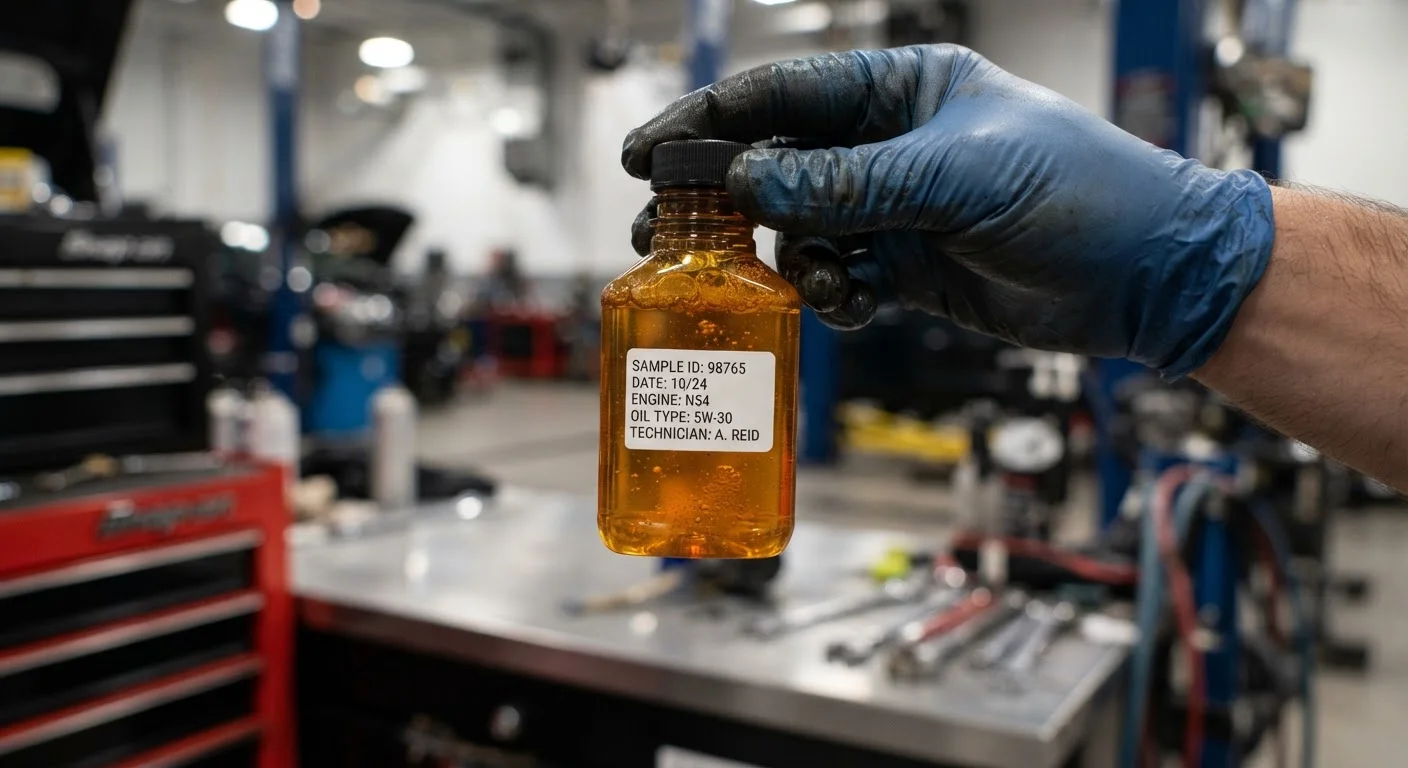
Extending oil change intervals well beyond the manufacturer's recommendation.
Why it happens: Modern synthetic oils have long service lives, leading many owners to assume any oil change schedule is overly conservative. Cost and inconvenience also encourage procrastination.
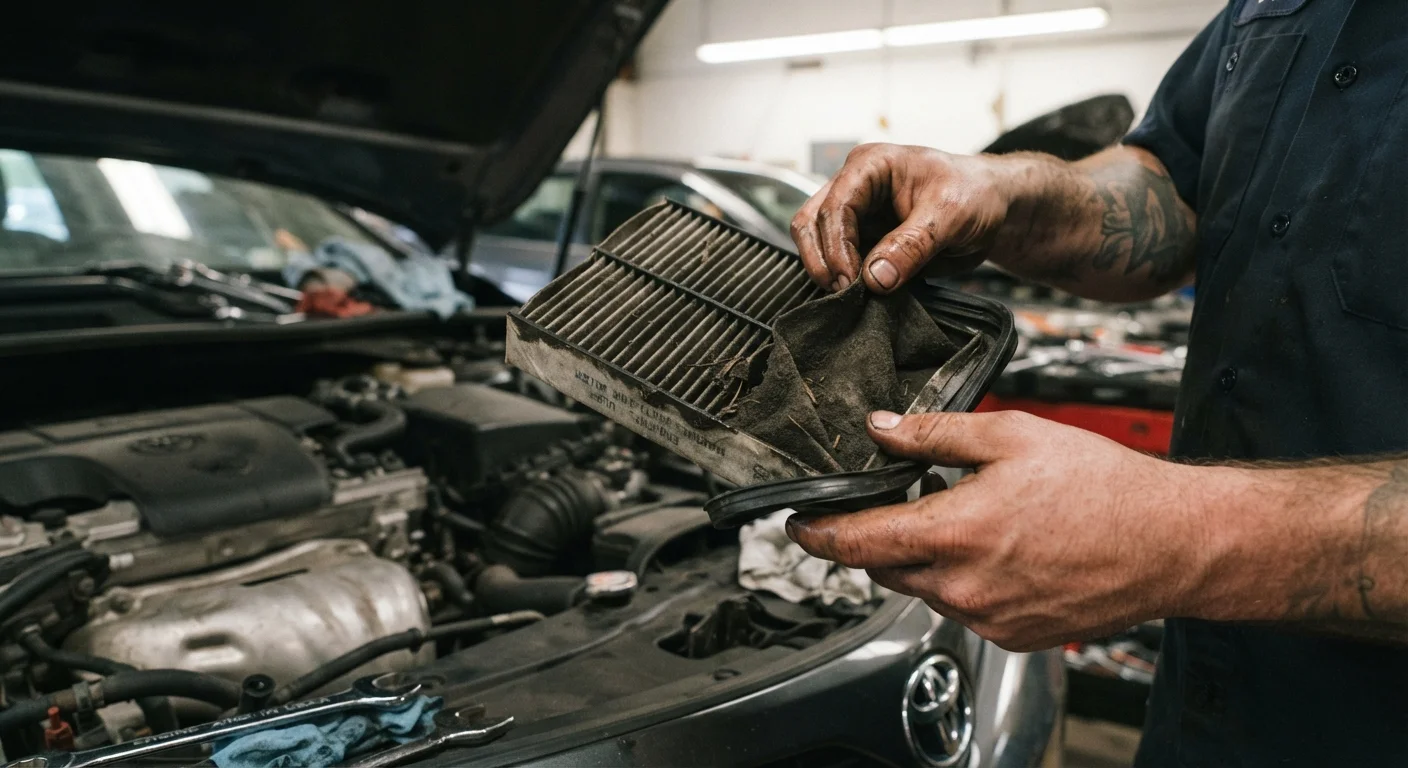
Ignoring cabin and engine air filter replacement until a noticeable symptom appears.
Why it happens: Filters degrade gradually, so performance loss is subtle. Because there's no warning light for a clogged air filter, many owners simply forget it exists.
Skipping coolant flushes until overheating becomes a problem.
Why it happens: Coolant looks fine long after its corrosion inhibitors are depleted, so owners assume it's still functional. Flush intervals are often absent from mileage-service reminders.
Delaying timing belt or serpentine belt replacement past the recommended mileage.
Why it happens: Belts often look intact long after they've become structurally compromised. Replacement is relatively expensive upfront, so owners hope the current belt will last a little longer.
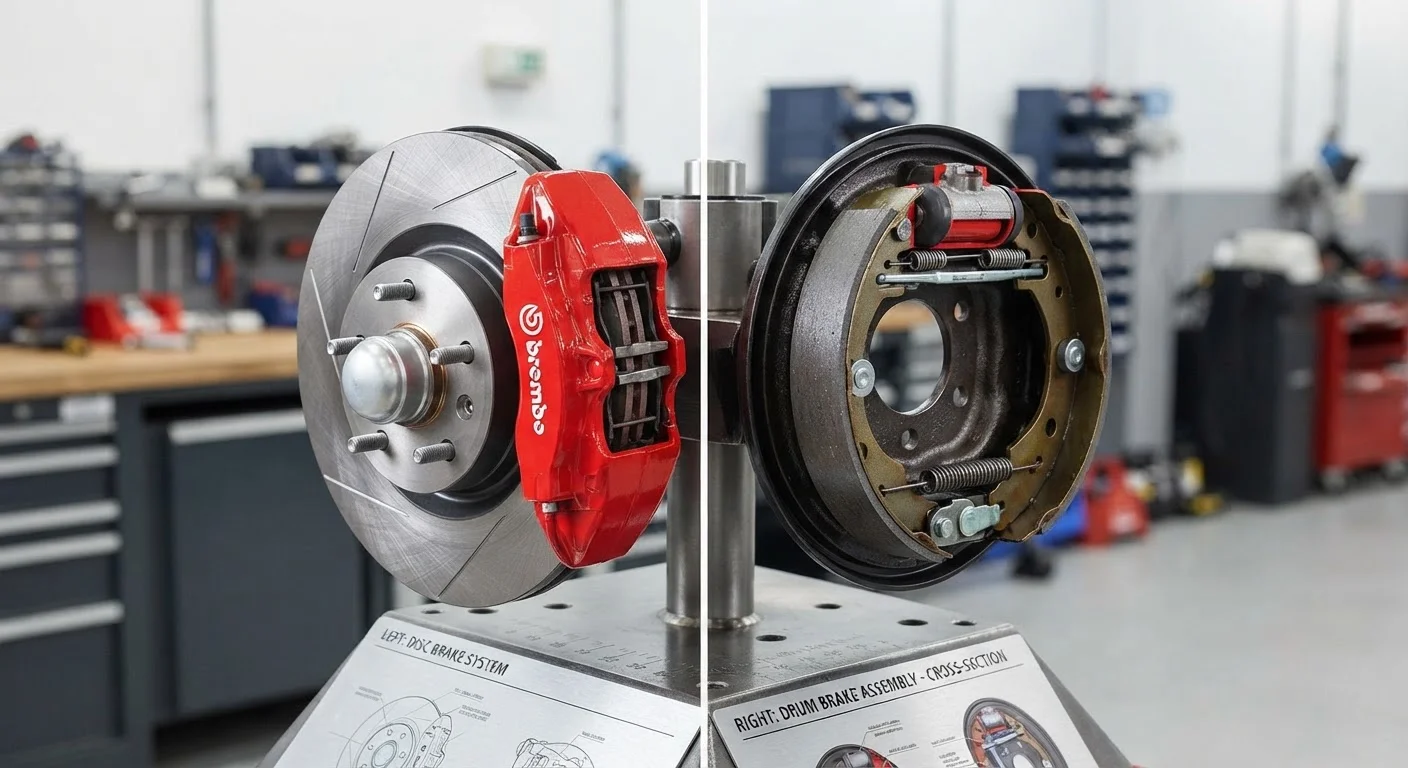
Letting brake fluid absorb moisture for years without replacement.
Why it happens: Brake fluid is invisible inside the reservoir, and degraded fluid doesn't immediately affect pedal feel. It's rarely included on quick-service reminder stickers.
Recognizing the Pattern Before It Repeats
The mistakes outlined above share a common thread: they're easy to rationalize in the moment and expensive to correct after the fact. Maintenance intervals exist because engineers have characterized exactly how long lubricants, coolants, and wear components remain within safe operating parameters - they are not arbitrary upsells.
~40%
Vehicles running with degraded or low engine oil
Automotive industry inspection data from multi-point service programs consistently identifies a significant share of vehicles with out-of-specification engine oil at the time of routine visits.
3-5×
Cost multiplier from deferred timing belt failure
Automotive repair data indicates that timing belt failure on an interference engine typically generates repair costs three to five times higher than scheduled belt replacement would have cost.
When a cascade failure does occur, diagnosis becomes harder because multiple systems may be affected simultaneously. Replacing parts before the root cause is confirmed compounds the cost further. The diagnosis hub offers a methodical approach to working through faults without guessing - a skill that matters most when deferred maintenance has obscured the original failure point.
It's also worth noting that neglected maintenance can interact with modifications. If you're considering performance changes, the cascade effects of component upgrades article explains how an already-stressed system responds poorly to additional demands.
Don't Dismiss a Check-Engine Light
A check-engine light triggered by a minor fault - such as a failing oxygen sensor - can mask a more serious secondary fault if left unaddressed. Modern OBD-II systems store only a limited number of fault codes, and an active minor code can prevent a critical one from being logged. Address stored codes promptly; see the diagnosis hub for a structured approach to fault interpretation.
Staying current with service intervals doesn't require mechanical expertise - it requires consistency. Keep a simple log of every service performed, including date and mileage. That record becomes invaluable when diagnosing an intermittent fault or assessing a vehicle before purchase. Small diligence, compounded over time, is what separates a reliable vehicle from an unpredictable one.