Why Class Labels Mislead More Than They Inform
Most first-time buyers approach RV shopping with a mental model borrowed from apartment hunting: bigger class equals bigger space, more amenities, higher cost. That framing isn't entirely wrong, but it leaves out the variables that actually determine whether a rig fits your lifestyle. RV classes - A, B, C, and the towable sub-categories like fifth wheels and travel trailers - describe a vehicle's construction method and chassis type as much as they describe size or comfort.
For a deeper grounding in what each class actually involves before you read any further, the beginner's orientation to RV classes is worth reading first. The mistakes below build on that foundation.
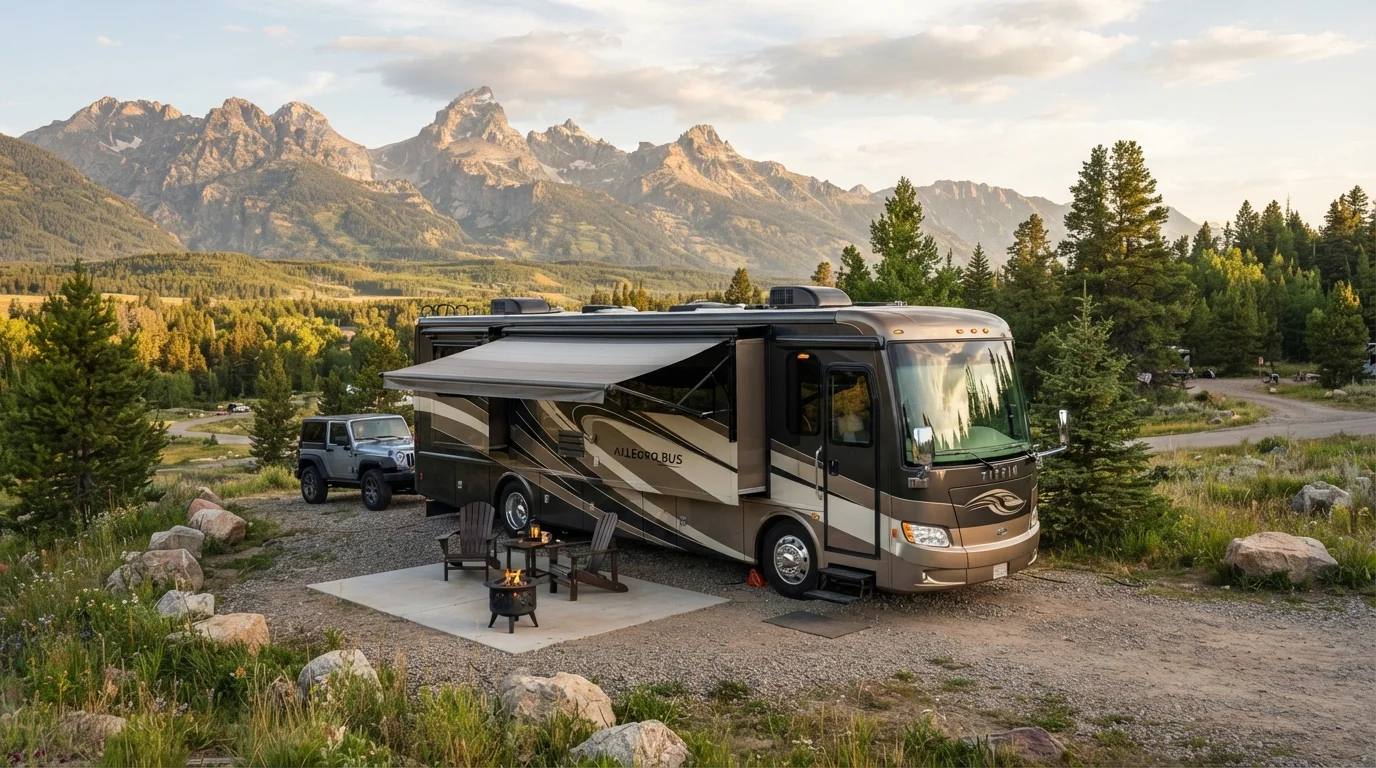
Assuming Class A automatically means the most livable option for everyone.
Why it happens: Class A coaches look like the premium choice - they're the largest motorized RVs and often carry the highest sticker prices. First-timers equate size with suitability.
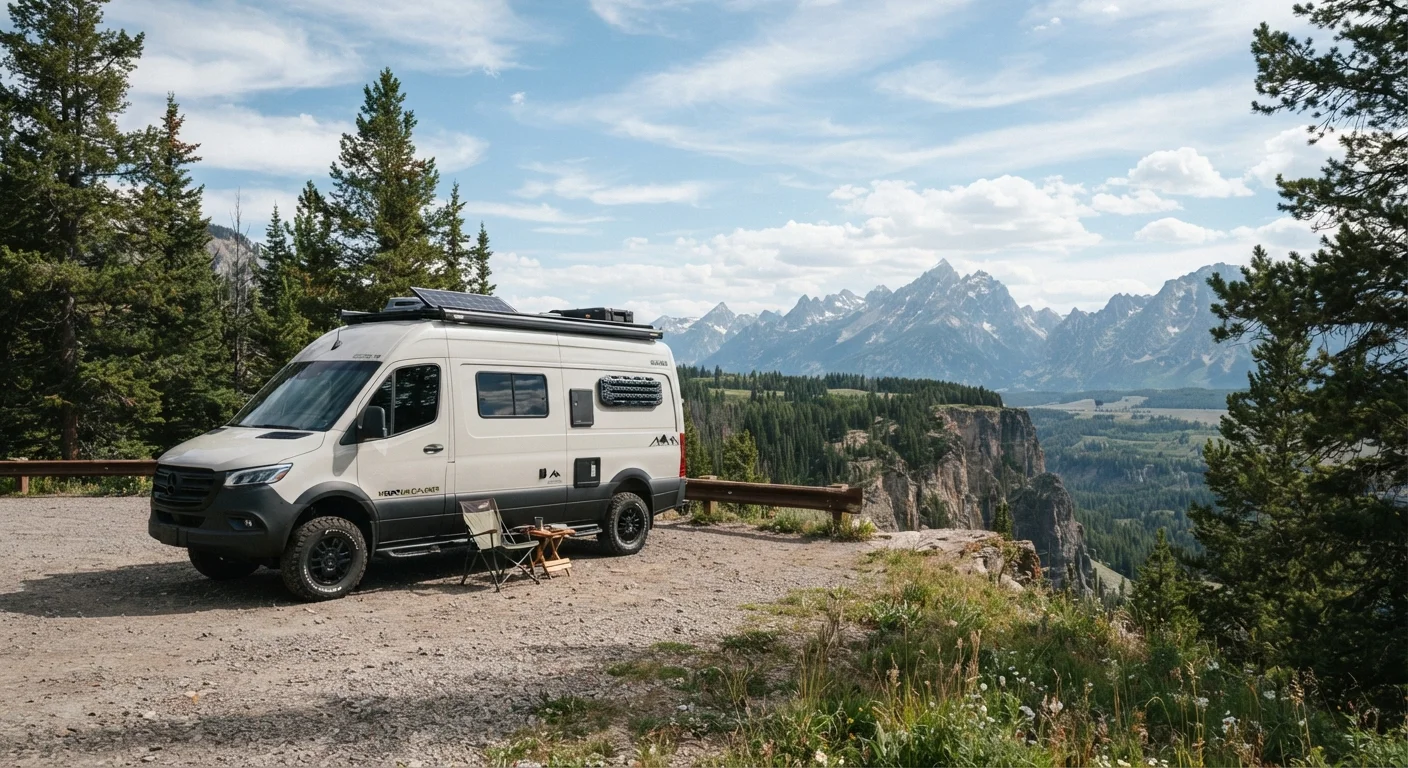
Treating Class B vans as a compromise rather than a deliberate, capable choice.
Why it happens: The compact footprint of a Class B campervan leads many buyers to dismiss it as underpowered for serious travel. The assumption is that less size means less capability.
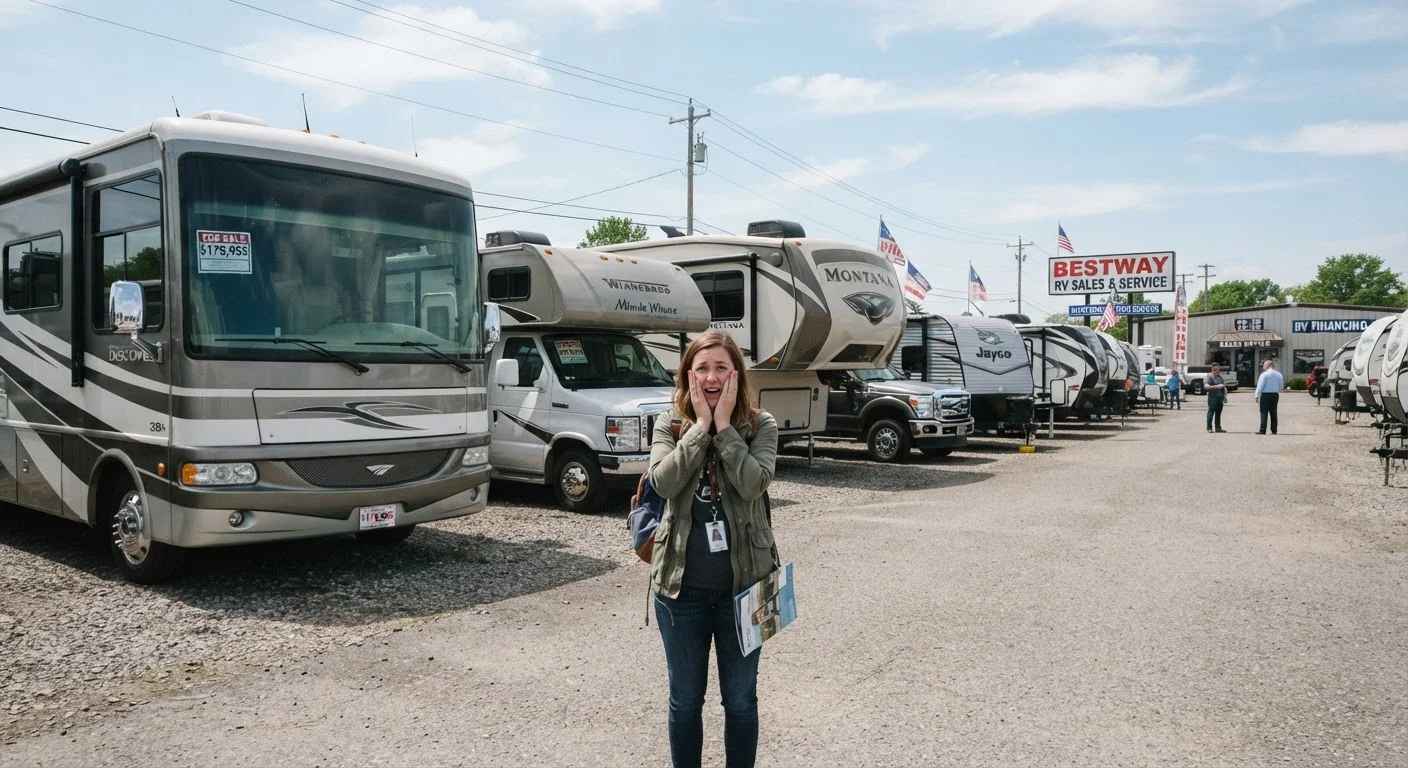
Conflating towable RV shopping with motorized RV shopping - they involve completely different logistics.
Why it happens: Both categories appear on the same dealer lots and in the same search results, so buyers often evaluate them on the same criteria: floor plan, price, and amenity list.
Using class label as a proxy for interior layout without looking at actual floor plans.
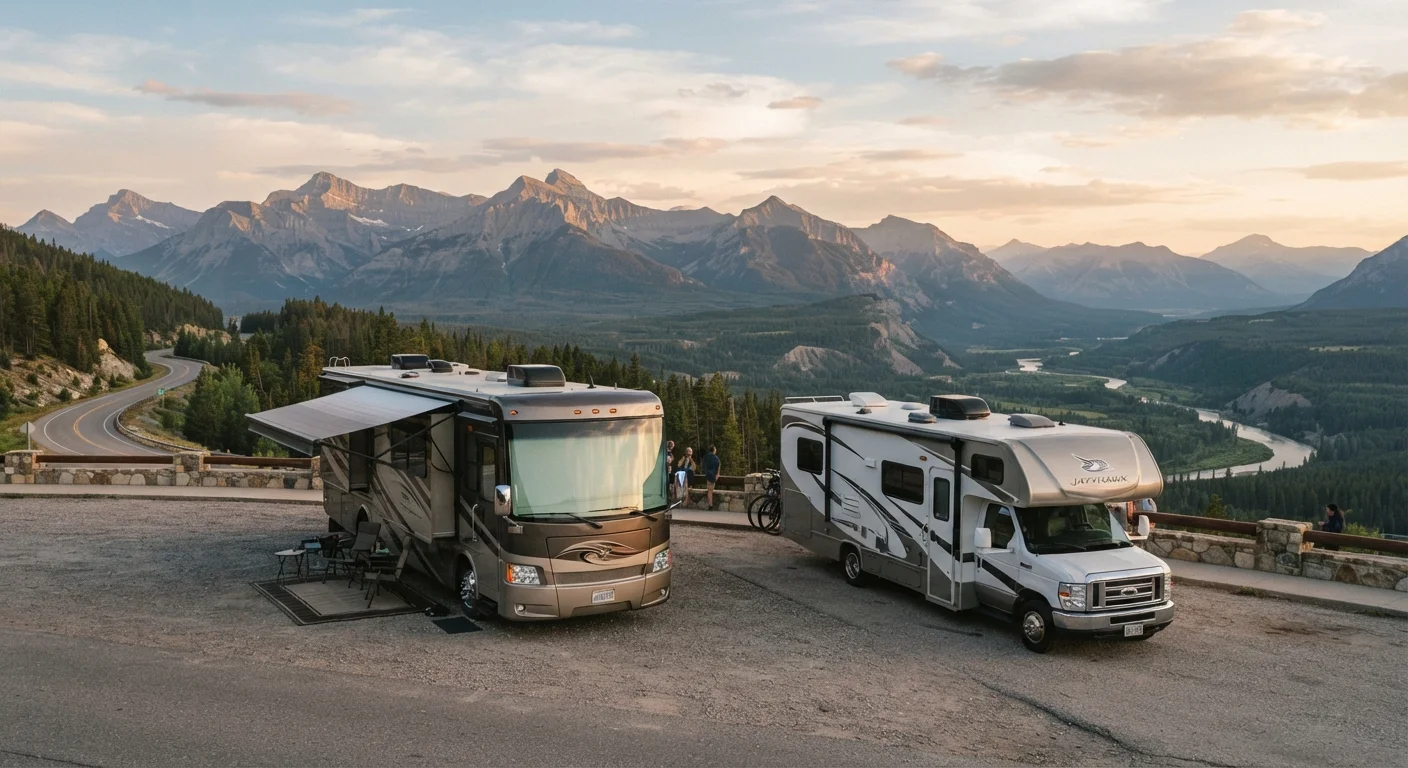
Why it happens: Buyers assume every Class C has roughly the same interior arrangement. In reality, Class C units range from under 20 feet to over 35 feet, with wildly different bedroom, bathroom, and slide-out configurations.
Underestimating how dramatically fuel economy changes real-world ownership costs for motorized classes.
Why it happens: Buyers focus on MSRP and monthly payment estimates, rarely modeling actual per-trip fuel costs across the driving style and distances they have in mind.
The Decisions That Trip Up New Buyers Most
These errors span every class category and price point. Recognizing them before you shop can save thousands of dollars and months of frustration.
7-10 mpg
Typical Class A gas motorhome fuel economy
Industry specifications and real-world owner reporting consistently place Class A gas coaches in this range, with diesel pushers varying based on load and terrain.
~30%
Campgrounds with length restrictions under 35 feet
Many state and national park campground systems list a significant portion of sites as unsuitable for rigs over 35 feet, limiting where large Class A coaches can legally stay.
It's also worth noting that first-time RV buyers aren't alone in falling into category-based traps. First-time boat shoppers face a strikingly similar pattern - focusing on headline specs while missing the details that shape daily usability.
Tow Capacity Is a Hard Limit, Not a Suggestion
Exceeding your tow vehicle's rated capacity - even slightly - puts stress on transmission, brakes, and frame components in ways that can cause dangerous handling failures. Always verify Gross Vehicle Weight Rating (GVWR) and tongue weight figures for any towable against your tow vehicle's manufacturer specifications, not dealer estimates. If you're unsure, consult a qualified mechanic or certified RV weight station before your first trip.
Once you've settled on a class that genuinely matches how you plan to travel, the next step is understanding the day-to-day systems and routines that make RV life work. The fundamentals of RV living is a practical next read.