What Defines a Class A Motorhome
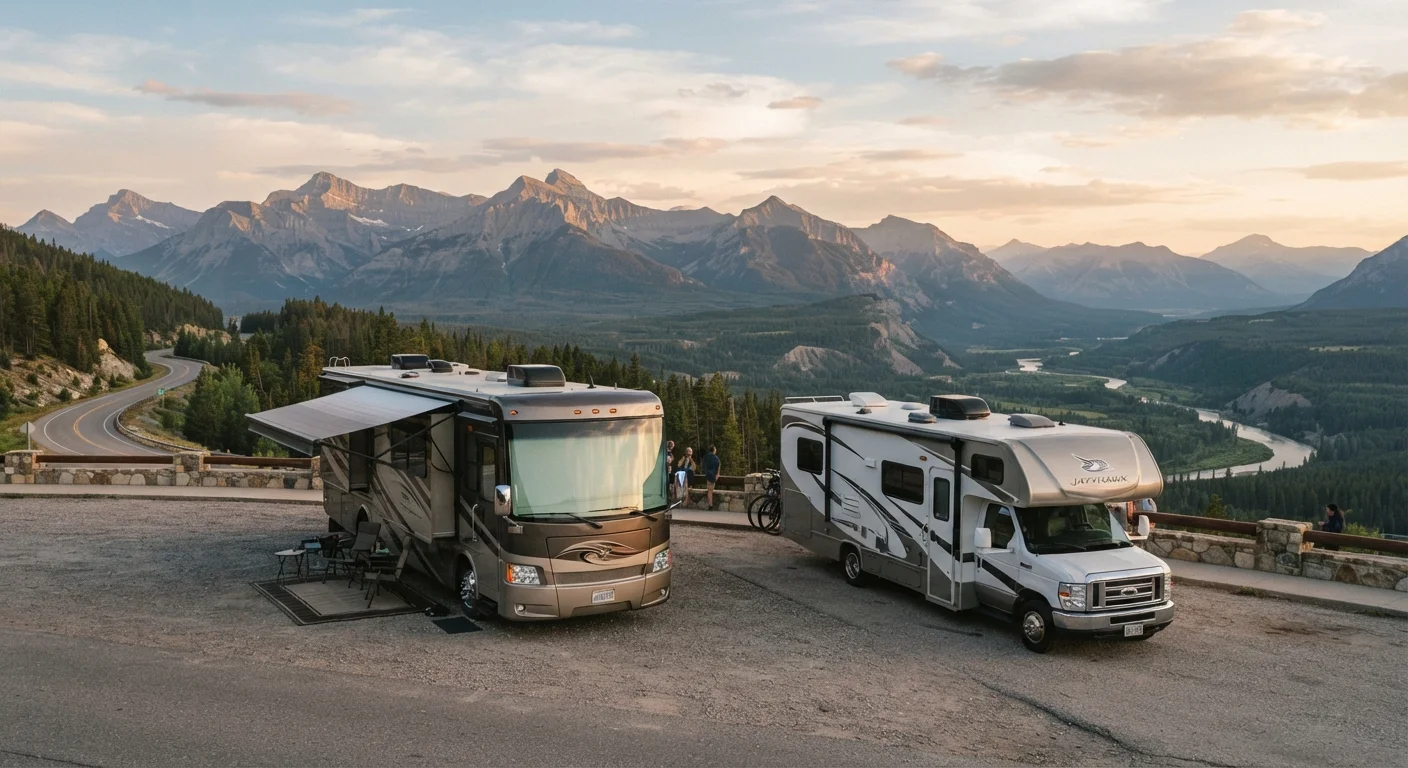
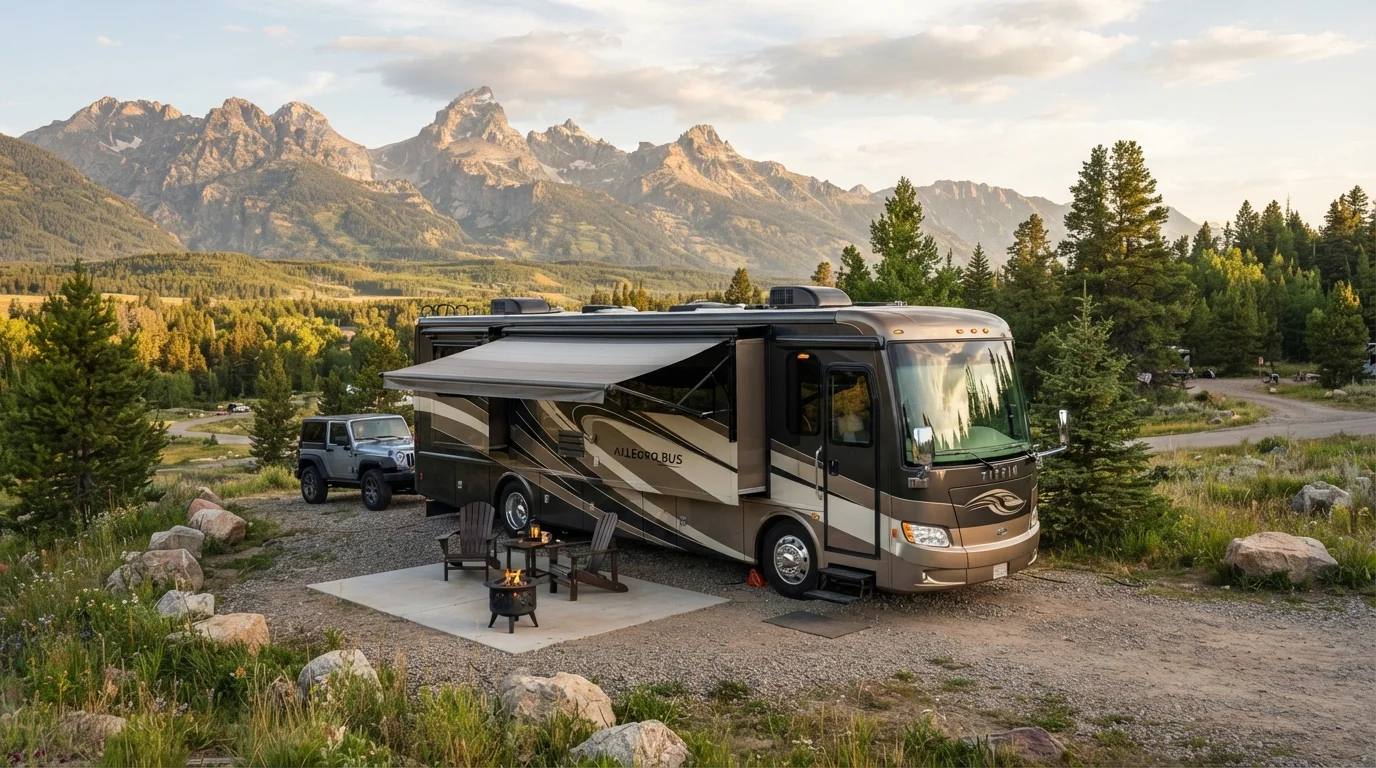
Class A motorhomes are built on a purpose-designed or commercial bus-style chassis, with a flat front profile and a body that begins directly over the front axle. This construction method - distinct from the van cutaway platforms used by Class C units - is what enables the category's signature wide, open floor plans and large windshield views.
Lengths typically run from 25 feet to 45 feet, with most buyers gravitating toward the 30-40 foot range. Two primary drivetrain configurations exist: gas-powered models built on chassis from Ford or Freightliner using V8 or V10 gasoline engines, and diesel pushers, which mount the engine at the rear of the coach for better weight distribution and substantially more torque. For a deeper look at how Class A fits within the broader motorhome spectrum, see The RV Class System Explained.
The Advantages of Going Big
The case for a Class A comes down to one word: livability. No other self-propelled RV category offers comparable interior volume, and for travelers spending weeks or months on the road, that difference is felt daily.
Maximum interior living space in any motorhome class
Class A coaches routinely feature full-size residential amenities - including king beds, bath-and-a-half layouts, and full-height ceilings - that smaller RV classes cannot accommodate structurally.
Substantial underfloor storage capacity
Basement compartments beneath the coach floor typically provide 100-200 cubic feet of exterior storage, accommodating gear, tools, and supplies that would overwhelm the storage in smaller RV classes.
Wide variety of floor plan configurations
The Class A segment offers more floor plan diversity than any other motorhome category, including rear bedroom, bunkhouse, front living, and bath-and-a-half arrangements across a range of lengths.
Diesel pusher models offer strong highway performance
Rear-engine diesel configurations provide robust low-end torque for sustained highway speeds on grades, and the rear engine placement shifts weight distribution rearward for a more stable ride.
Well-suited for full-time or extended RV living
The combination of space, storage, and residential-grade systems makes Class A motorhomes the most practical choice for travelers spending extended periods - weeks to months - living in their RV.
25-45 ft
Typical Class A length range
Most Class A motorhomes sold in the US fall between 30 and 40 feet, with diesel pushers more commonly found at the longer end of the range.
7-13 mpg
Typical fuel economy range
Fuel efficiency varies by chassis type, load, terrain, and driving speed; diesel pushers often achieve the higher end of this range at steady highway speeds.
Slide-out rooms - found on the majority of Class A units - expand the living area dramatically when parked. A typical full-body slide can add several feet of width to a bedroom or living room section. For more on what that expansion involves, The Slide-Out Question covers the gains and the maintenance considerations in detail.
Storage is another structural advantage. Basement-style compartments beneath the coach floor - accessed via exterior doors - provide substantial cargo capacity that van-based and Class C units simply cannot match in volume or convenience.
The Tradeoffs You Need to Weigh
Scale that creates comfort in camp creates real challenges on the road. Class A motorhomes are among the most demanding vehicles to operate on public roads, and the costs of ownership reflect that reality.
Poor fuel economy across gas and diesel models
Most Class A motorhomes return between 7 and 13 miles per gallon depending on chassis, load, terrain, and speed. Over long routes, fuel costs accumulate significantly faster than with smaller vehicle classes.
Limited access to smaller campgrounds and parks
Many national and state park campgrounds restrict site length to 35 feet or less, and tight entry roads can make routing a 40-foot coach impractical without advance planning.
Higher acquisition and ownership costs
New Class A units typically carry higher price points than Class B or C motorhomes, and insurance, registration, and maintenance costs scale with the vehicle's size and complexity.
Demands greater driver skill and attention
The length, height, and weight of a Class A create a significantly different driving experience than a passenger vehicle, requiring adjusted spatial awareness, longer braking distances, and careful route planning.
Towing a secondary vehicle adds logistical complexity
Because Class A coaches are not practical for local errands or short trips, most owners tow a car or small SUV behind the motorhome, adding weight, length, and maneuverability considerations.
Licensing Requirements Vary by State
Most US states do not require a commercial driver's license (CDL) to operate a Class A motorhome for personal recreational use, even at maximum lengths. However, licensing thresholds and endorsement requirements differ by state, so verifying your state's specific DMV regulations before driving is advisable. Regardless of legal requirements, formal driver training through an RV-specific program is widely recommended for first-time Class A operators.
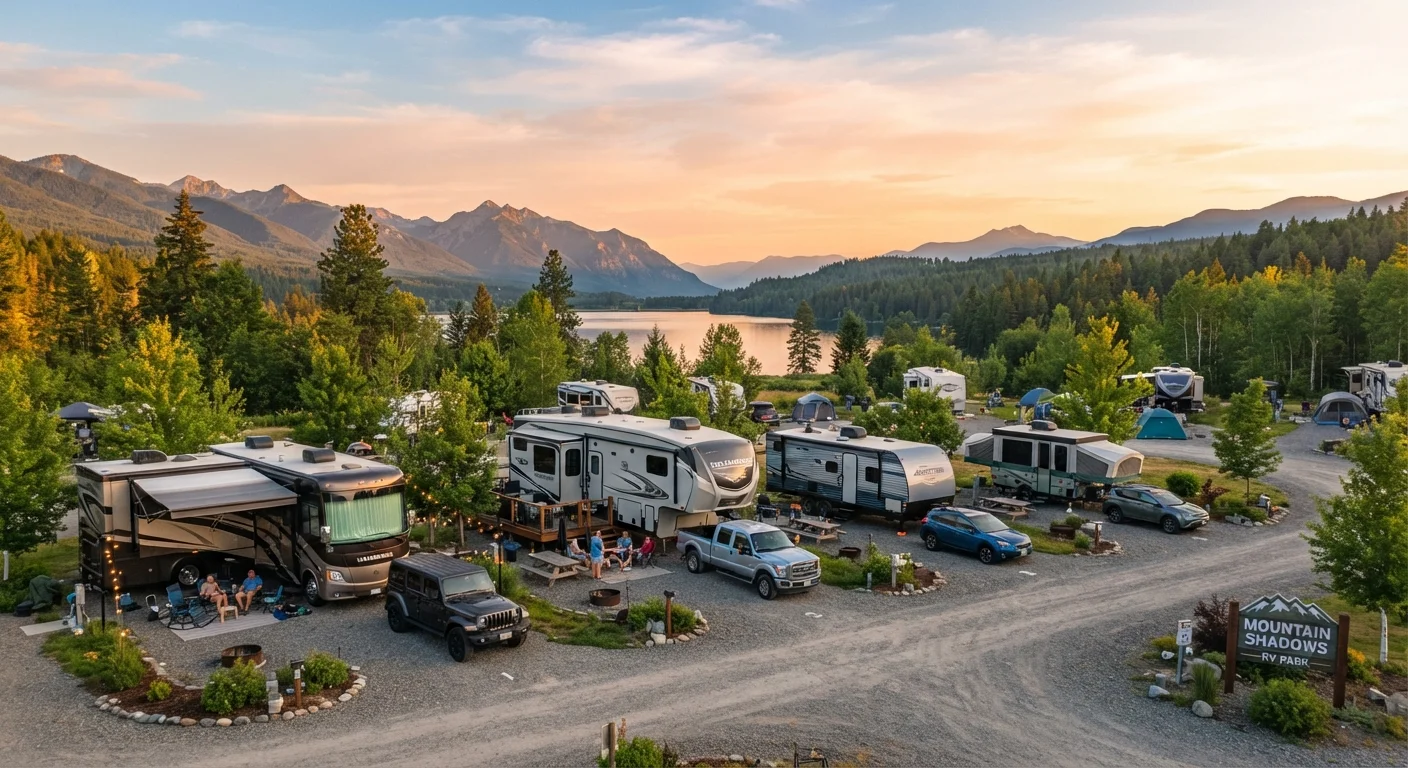
Campsite access is a frequently underestimated constraint. Many state and national park campgrounds cap site length at 35 feet or less, and narrow entry roads can make maneuvering a 40-foot coach impractical or impossible. RV resorts and private campgrounds generally accommodate larger units, but spontaneous routing through smaller or older parks requires advance research. For a direct comparison of how Class A stacks up against more maneuverable options, see RV Classes Compared.
Gas vs. Diesel: A Meaningful Choice
Within the Class A category, the gas-versus-diesel decision shapes the ownership experience considerably. Gas chassis models carry lower purchase prices and are generally simpler and less expensive to service at a wider range of repair facilities. Diesel pushers - identifiable by their rear engine placement - deliver significantly more torque, which matters on grades and at highway speeds with a fully loaded coach.
Diesel coaches also tend to hold resale value more consistently, though they carry higher upfront costs and diesel-specific maintenance requirements (DEF fluid, DPF filter service) that add to long-term ownership expenses. Neither configuration is universally superior; the right choice depends on terrain, travel frequency, and budget. The structural layout differences that result from chassis choice are explored further in How RV Class Shapes Interior Design.
For travelers considering whether a Class A is the right scale altogether, a direct comparison with the Class C category is worth reviewing: Class A vs Class C Motorhomes.