Why the Class System Matters
Before you visit a dealership or browse listings, understanding how RVs are categorized saves you from making a very expensive mismatch. The RV industry organizes vehicles into distinct classes - not as a marketing convention, but because each class reflects meaningful differences in construction, driving requirements, living space, and cost.
The most fundamental split is between motorhomes (self-propelled units you drive) and towables (units you pull behind another vehicle). Everything else builds from there. For a structured overview of how the full system is laid out, see The RV Class System Explained.
Motorhome
A self-propelled RV where the engine and living quarters are integrated into a single vehicle. You drive it directly, like a very large bus or truck.
Towable RV
An RV that has no engine of its own and must be pulled by a separate tow vehicle using a hitch connection.
Slide-out
A section of an RV that extends outward when parked to increase interior floor space, then retracts for travel.
GVWR (Gross Vehicle Weight Rating)
The maximum total weight a vehicle is rated to carry, including its own weight plus passengers, cargo, and fluids. Exceeding GVWR is unsafe and may be illegal.
Boondocking
Camping without hookups to electricity, water, or sewer - often on public land. It relies on the RV's onboard tanks and power systems.
Chassis
The structural base frame of a vehicle, including the engine and drivetrain. RV class designations are partly defined by which chassis type the manufacturer builds upon.
Motorhomes: Class A, B, and C
Motorhomes integrate the living quarters and the engine into a single vehicle. They are classified into three tiers based primarily on size and chassis type.
Class A
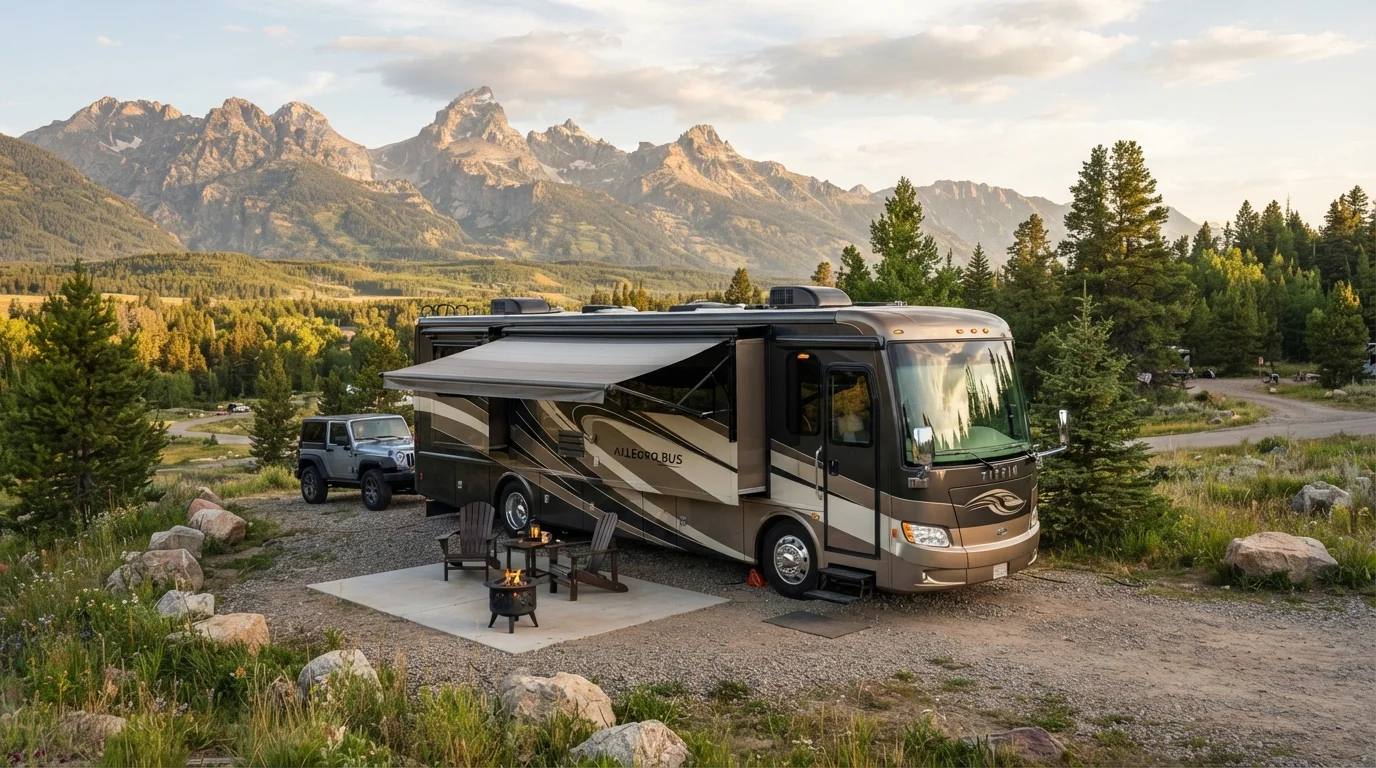
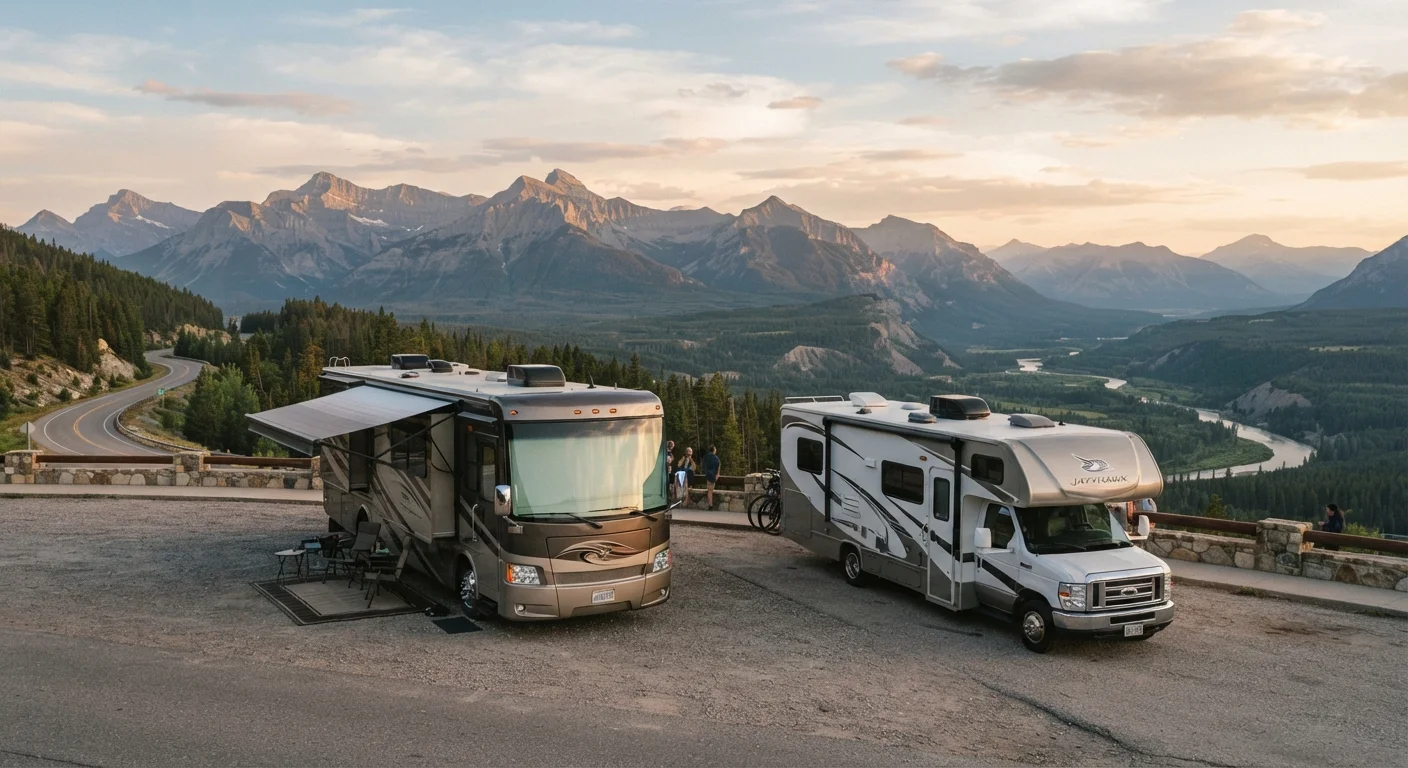
Class A motorhomes are the largest consumer RVs on the road, typically ranging from 25 to 45 feet in length. They are built on either a commercial bus-style chassis or a heavy-duty truck chassis. The driver sits in a wide, coach-style cockpit with a nearly flat front profile. Interior configurations can include full kitchens, residential-style bathrooms, washer/dryer hookups, and multiple slide-outs that expand the floor plan when parked.
Class B (Camper Vans)
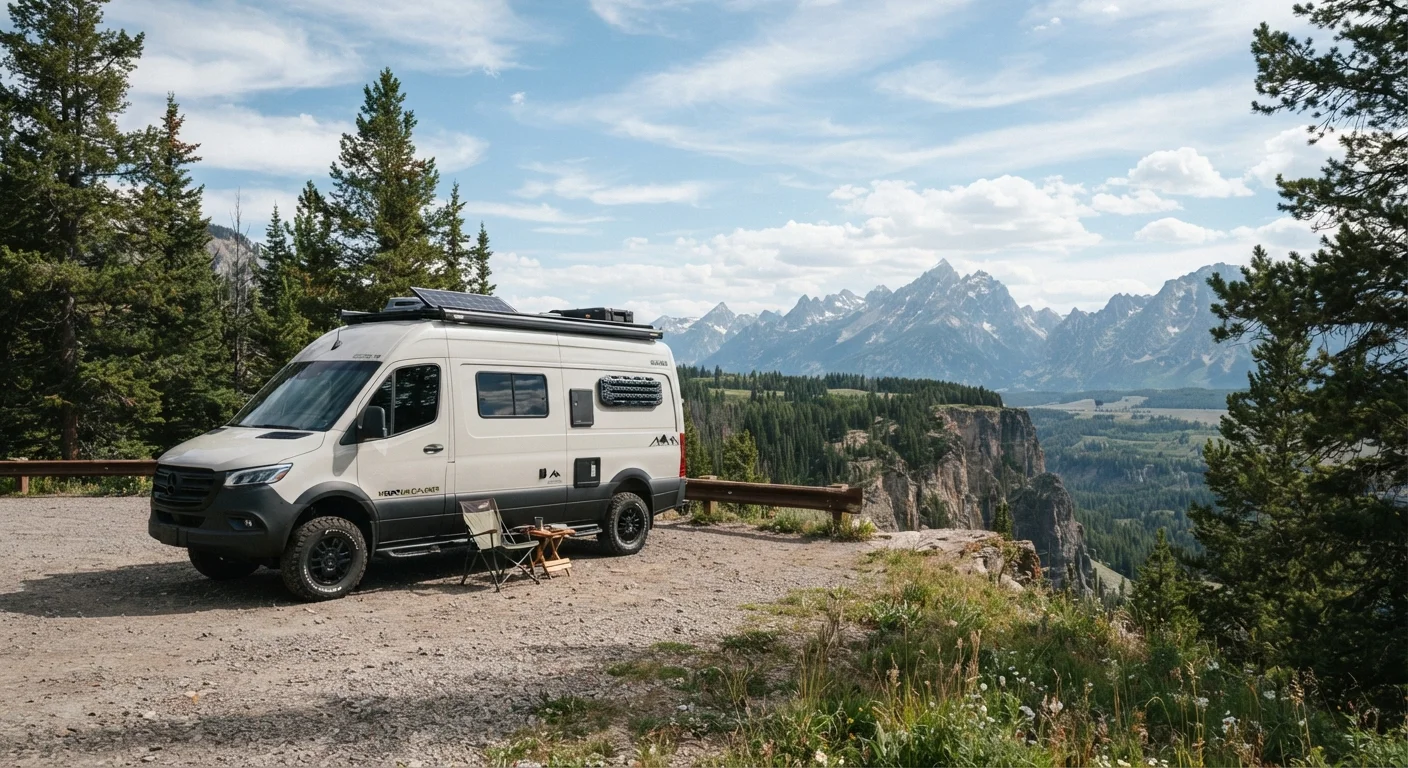
Class B units are built within a full-size van shell - often a Ram ProMaster, Mercedes-Benz Sprinter, or Ford Transit - with a raised roof to allow standing room. They are the most maneuverable motorhomes and can park in standard spaces, making them suitable for urban use and boondocking. The trade-off is living space: kitchens and bathrooms are compact, and sleeping accommodates one or two people comfortably.
Class C
Class C motorhomes are built on a cutaway truck or van chassis, identifiable by the cab-over section that extends above the driver's cab - often used as sleeping space. Lengths typically run from 20 to 35 feet, placing them squarely between Class A and Class B in size, cost, and drivability. Many first-time buyers find Class C units a practical entry point.
Rent Before You Buy
Renting an RV class you are considering - even for a single weekend - reveals practical realities that no brochure will show you. Pay attention to how the vehicle handles on the highway, how easy it is to back into a campsite, and whether the interior layout actually matches how you live. This single step prevents the most expensive beginner mistakes.
Towable RVs: Trailers and Fifth Wheels
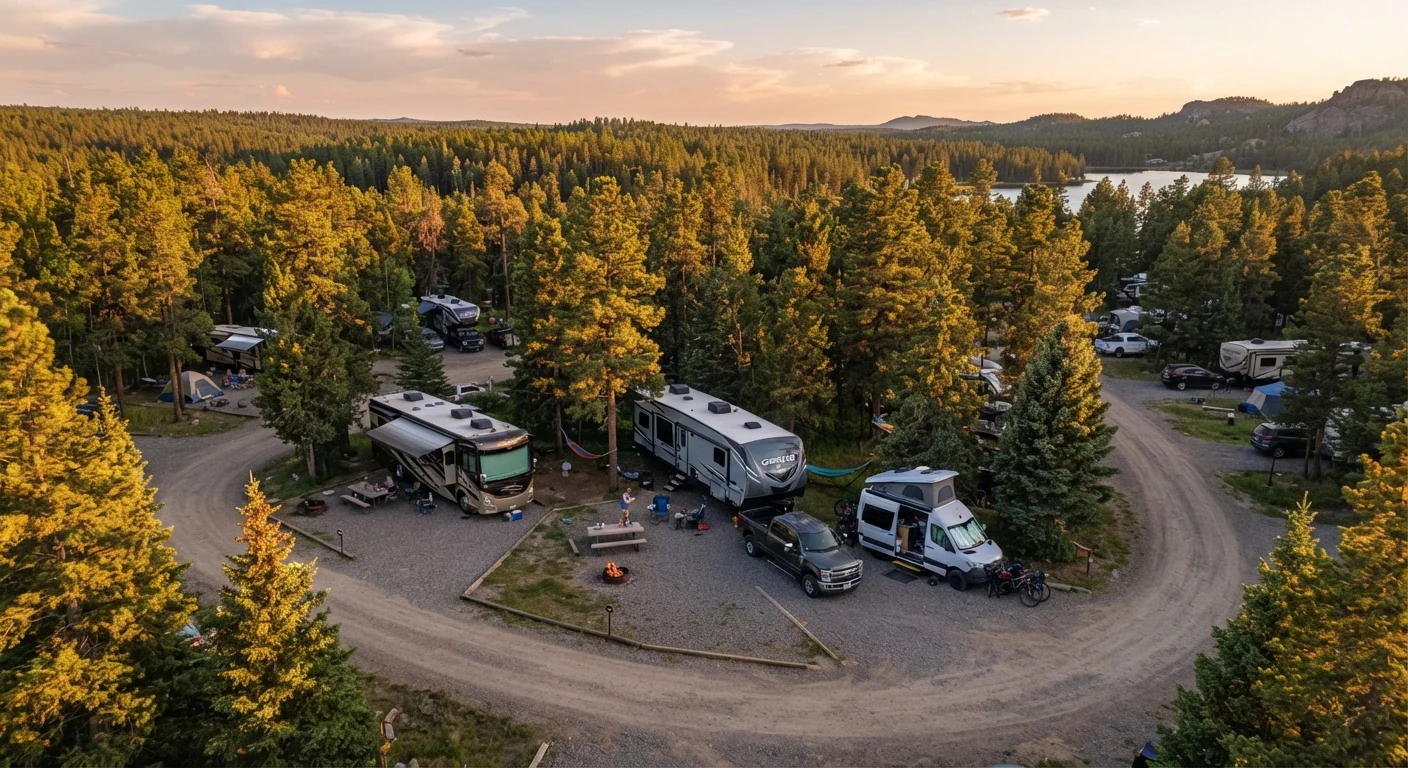
Towable RVs do not have their own engines. Instead, they hitch to a separate tow vehicle - typically a pickup truck or capable SUV. This ownership model has distinct advantages: your tow vehicle remains fully usable when the RV is disconnected, and you can upgrade each unit independently. For a deeper look at how this trade-off works, see Motorhome vs Towable RV: Choosing the Right Ownership Model.
Travel Trailers
Travel trailers attach to a standard ball hitch on the tow vehicle's receiver. They span an enormous range - from lightweight teardrop campers under 10 feet to 40-foot bunkhouse models with multiple rooms. Towing capacity requirements vary accordingly, so confirming your tow vehicle's ratings before selecting a trailer is essential.
Fifth Wheels
Fifth wheels use a kingpin-and-hitch assembly mounted in the truck bed rather than a ball hitch, creating a more stable and responsive towing connection. They typically feature a raised bi-level floor plan at the front with bedroom lofts, allowing taller ceilings in the main living area. Fifth wheels are generally larger and heavier than travel trailers, requiring a full-size pickup truck with sufficient payload capacity.
Pop-Up Campers and Toy Haulers
Pop-up campers (also called folding campers or tent trailers) collapse for lightweight towing and expand at the campsite. Toy haulers are a subcategory that includes a rear garage section for carrying motorcycles, ATVs, or other gear. Both are specialized options that serve specific use cases rather than serving as general-purpose starting points.
Key Factors That Should Drive Your Decision
Knowing what each class is only gets you halfway. The class that fits you depends on how you answer a few practical questions:
- How often will you travel? Frequent travelers may benefit from a motorhome's convenience; occasional users sometimes find towables more cost-effective.
- How large is your travel group? Couples have different space needs than families with children or multi-generational groups.
- Do you have towing experience? If not, motorhomes sidestep the towing learning curve entirely - though large motorhomes have their own maneuvering challenges.
- What campgrounds will you use? Many state and national park loops have length restrictions that effectively eliminate longer Class A or fifth wheel units.
- What is your storage situation at home? A 40-foot fifth wheel requires substantially more storage space than a compact Class B van.
For a detailed guide on matching class to travel style, see Matching an RV Class to Your Travel Style. Interior layout considerations also play a role - the Layouts hub covers common floor plan configurations across classes.
Never Ignore Towing Capacity Limits
Exceeding your tow vehicle's rated towing or payload capacity is genuinely dangerous - it affects braking, steering stability, and transmission longevity. Always verify both the trailer's loaded weight and your tow vehicle's maximum ratings from the manufacturer's documentation, not from forum estimates. When in doubt, consult a certified weight station or a professional with RV towing expertise.
Where to Go From Here
With a working understanding of the major RV classes, you are ready to dig deeper into the specifics. The Every RV Type at a Glance reference provides a side-by-side comparison of key specs across all classes. When you are ready to think about life on the road, the Living hub is a natural next step.
It is also worth reading What First-Time RV Buyers Often Get Wrong About Classes before you make any commitments. The most common beginner mistakes are avoidable - and knowing them early can save significant time and money.
RV Length Restriction Lookup
Many national and state parks publish length limits for campsites and access roads. Checking these before selecting an RV class helps you avoid choosing a unit that cannot fit the destinations you plan to visit.
RV Rental Platforms
Peer-to-peer and commercial rental services allow you to try different RV classes before committing to ownership. Renting multiple classes over several trips is one of the most reliable ways to identify which type genuinely suits your travel style.
Campground Directory Resources
Directories that list campground amenities, hookup types, and site dimensions help you understand which RV classes are compatible with the types of locations you plan to frequent most.