Chassis and Construction: Where the Differences Begin
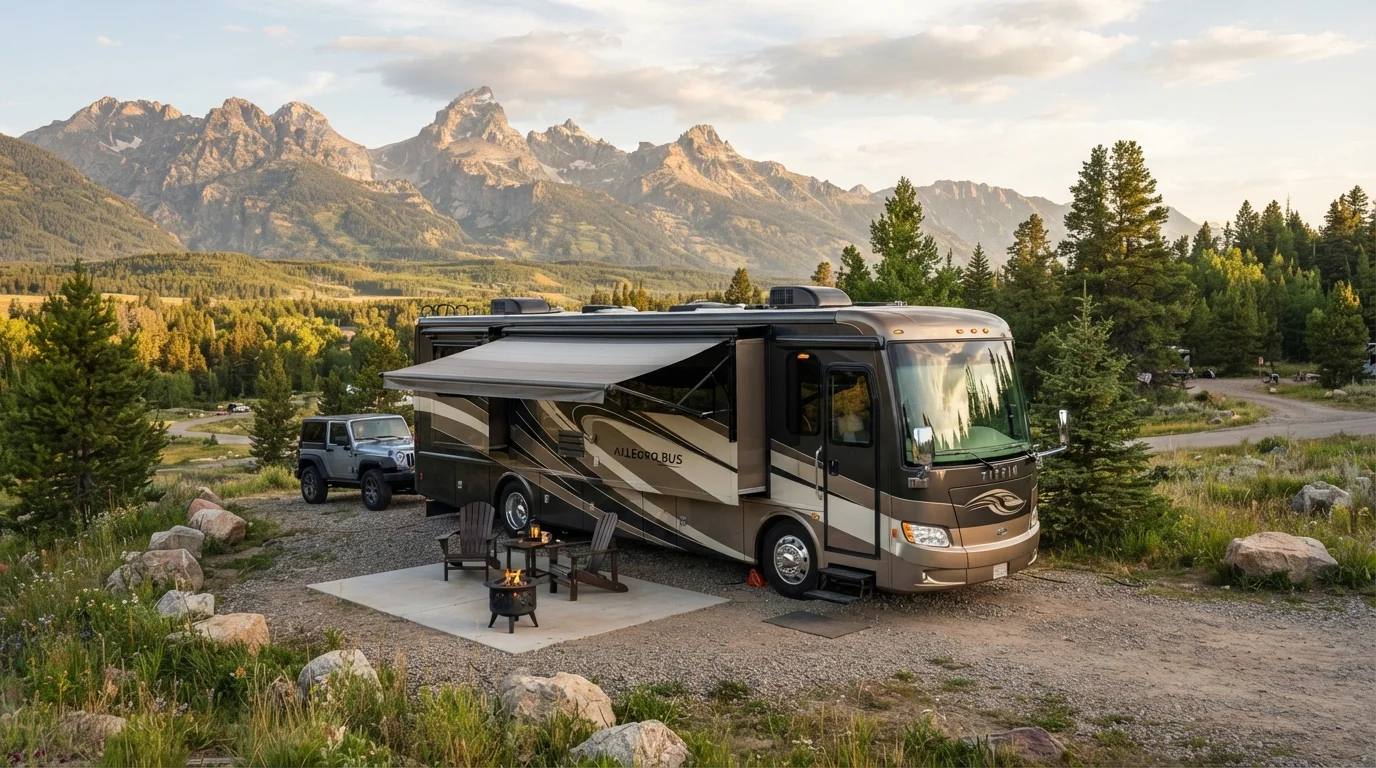
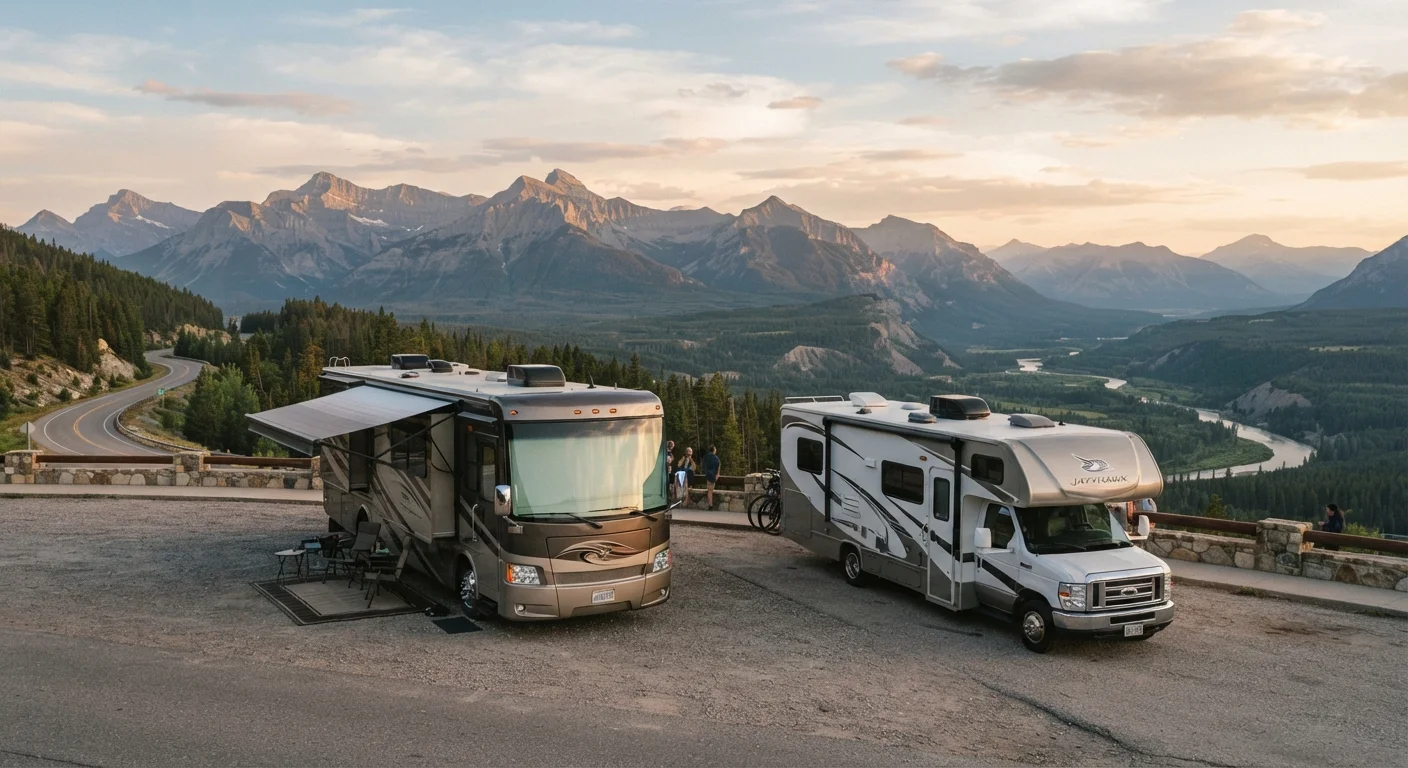
The most fundamental distinction between Class A and Class C motorhomes is what they're built on. A Class A motorhome is constructed on a purpose-built motorhome chassis or a stripped commercial bus/coach frame. The entire front of the coach - including the windshield and dashboard - is part of the coach body itself, producing the flat-front silhouette that defines the class.
A Class C, by contrast, is built on a cutaway cab chassis - most commonly a Ford E-Series, Ram ProMaster, or Chevrolet Express platform. The manufacturer's original cab, including the engine hood and dashboard, remains intact. The living quarters are built behind and above that cab, which is why Class C units feature the distinctive cab-over section extending above the driver's compartment. For a broader look at how these chassis differences ripple through all RV categories, see The RV Class System Explained.
| Criterion | Class A Motorhome | Class C Motorhome |
|---|---|---|
| Chassis type | Purpose-built motorhome or bus chassis | Cutaway truck or van chassis |
| Typical length range | 26-45 feet | 20-33 feet |
| Front profile | Flat front, no hood | Retained truck cab with hood |
| Cab-over sleeping bunk | Not standard | Defining structural feature |
| Interior ceiling height | Generally taller (84"+ common) | Moderate; varies by model |
| Driving familiarity | Steeper learning curve | More familiar truck-cab feel |
| Campsite access | Limited by length at many sites | Fits more site length restrictions |
| Tow capacity (diesel) | Generally higher | Moderate; chassis dependent |
Size, Layout, and Living Space
Class A motorhomes span roughly 26 to 45 feet in length, with diesel-pusher models often occupying the upper end of that range. Interior ceiling heights frequently reach 84 inches or more, and the flat front wall allows for wider, more residential-style floor plans. Slide-out rooms - wall sections that extend outward when parked - are common and can dramatically expand usable floor space.
Class C motorhomes generally run 20 to 33 feet. The cab-over section adds useful square footage (typically used as a sleeping bunk or storage area) without adding to the vehicle's length, which is a practical trade-off. However, the retained truck cab means the cockpit area doesn't integrate as seamlessly into the living space, and ceiling heights in the main cabin are usually somewhat lower than in comparably priced Class A units. For deeper exploration of how each class shapes its interior, see How RV Class Shapes Interior Design.
45 ft
Maximum Class A length (typical)
Industry specifications consistently place top-end Class A diesel pushers at or near 45 feet, the practical maximum for most U.S. highways.
20-33 ft
Class C length range
The RVIA (Recreation Vehicle Industry Association) categorizes Class C motorhomes within this length range based on their cutaway chassis construction.
84"
Common Class A interior ceiling height
Many Class A floor plans advertise interior heights at or above 84 inches, contributing to the residential feel of larger units.
Driving Dynamics and Campsite Fit
Behind the wheel, the two classes feel meaningfully different. A Class A's flat-front cab places the driver directly over the front axle with no hood in view, which takes adjustment for new RV drivers assessing clearance and turns. Larger Class A units - especially gas-powered models on Spartan or Freightliner chassis - require practice to back confidently. Diesel pushers add air brakes and air-ride suspension to the equation.
Class C motorhomes retain the familiar forward hood and truck mirrors that many drivers already understand from pickup trucks or cargo vans. This doesn't make them easy to maneuver - length and width still demand attention - but the transition from everyday driving is generally less steep. Shorter Class C models also access more campground sites; many state parks cap site lengths at 35 or 40 feet, which eliminates a significant portion of Class A inventory but accommodates most Class C options.
Campground Length Limits Matter
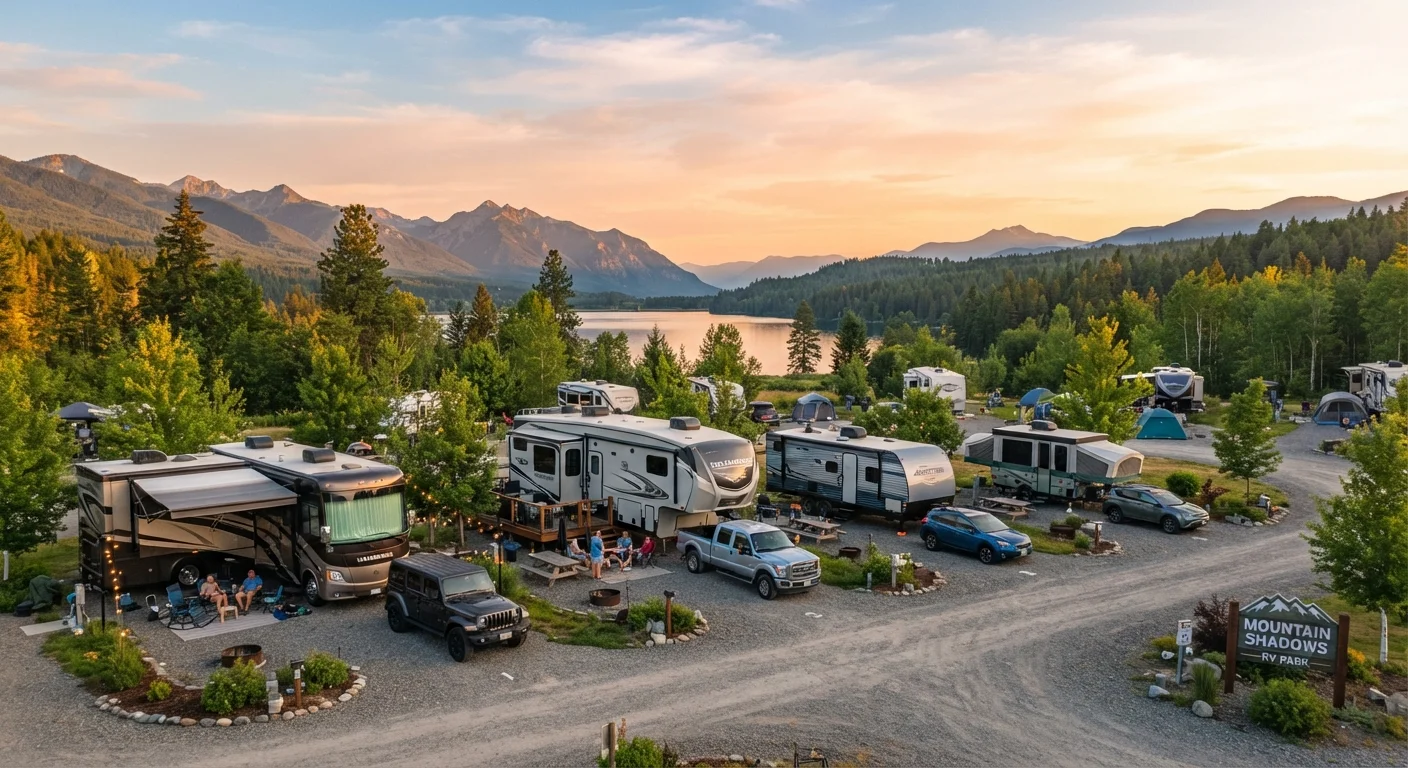
Many public campgrounds - particularly in state and national parks - post maximum site lengths between 35 and 40 feet. Before purchasing a Class A motorhome over 38 feet, it's worth cross-referencing your preferred destinations' site specifications. Some parks offer pull-through sites that accommodate longer rigs, but availability varies significantly by location and season.
For a side-by-side breakdown across all RV classes on these exact factors, RV Classes Compared: Space, Drivability, Cost, and Campsite Fit is a useful companion reference.
Who Each Class Is Really Built For
Class A motorhomes are best understood as rolling residences. Their design prioritizes living comfort over driving simplicity, making them well-suited for extended travel, full-time living, or buyers who want hotel-grade amenities on the road. The tradeoffs - fuel consumption, campsite limitations, higher entry costs - are real and documented; Class A Motorhomes: Scale, Comfort, and the Tradeoffs covers those in depth.
Class C motorhomes serve a broader segment: families who need sleeping capacity across multiple zones, part-time campers who want a capable rig without the scale of a Class A, and first-time motorhome buyers who want a vehicle that doesn't require a steep relearning curve. The cab-over bunk is genuinely useful for families with children, adding a dedicated sleep zone without consuming main cabin floor space.
Neither class is objectively superior - the right choice depends on how long you travel, where you camp, how many people you're accommodating, and how comfortable you are managing a large vehicle. Every RV Type at a Glance provides a structured overview if you're still comparing across more categories.