What E-Bike Ownership Actually Looks Like Day to Day
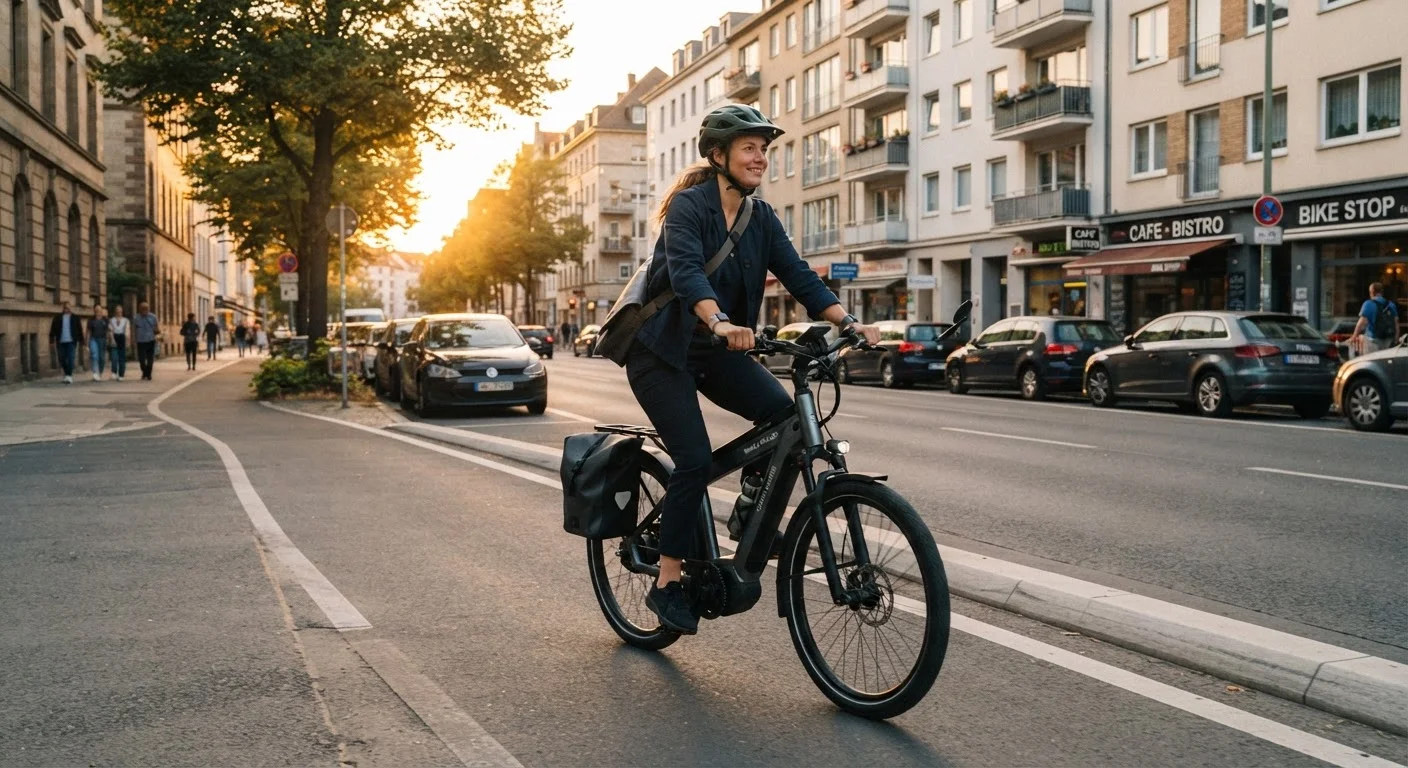
The appeal of an e-bike is easy to understand: more range, less effort, and a realistic alternative to a car for urban trips. But the day-to-day reality of ownership involves more than the riding experience itself. Before committing, it's worth understanding the full picture - not just the upside.
E-bikes are meaningfully different from conventional bicycles in weight, cost, and maintenance complexity. To understand why, it helps to know what's actually inside one. The motor, battery management system, and drivetrain all interact as an integrated system, and when any one component needs service, the process is more involved than fixing a flat or adjusting a derailleur.
Extends range and flattens challenging terrain
Pedal-assist systems allow riders to cover significantly greater distances with less fatigue, making hilly routes and longer commutes genuinely feasible for a much broader range of fitness levels.
Reduces barriers to regular cycling
Riders with joint issues, cardiovascular limitations, or returning from injury often find e-bikes allow them to stay active while managing physical output - a meaningful health benefit without overexertion.
Viable car replacement for urban commutes
On typical city commutes under 20 miles round-trip, a well-chosen e-bike can replace car trips entirely, eliminating parking costs, fuel expenses, and traffic delays.
Lower environmental footprint than motor vehicles
Even accounting for battery production, e-bikes generate substantially fewer lifecycle emissions than combustion-engine cars or motorcycles for equivalent trip distances.
Cargo-carrying capacity on dedicated platforms
Cargo-specific e-bikes can haul groceries, children, or work equipment that would be impractical on a conventional bicycle, expanding what cycling can actually replace.
The Real Costs and Limitations to Factor In
Weight is one of the most underestimated challenges for new e-bike owners. A bike that handles beautifully on the road becomes a significant burden when you're carrying it up a staircase or loading it onto a transit rack. Apartment dwellers and those with limited storage need to think carefully about logistics before purchasing.
Battery management matters too. Charging habits affect long-term battery health, and range claims in marketing materials typically reflect optimal conditions rather than real-world use. Cold weather, steep hills, and higher assist settings all reduce range noticeably. First-time owners benefit from understanding charging best practices from the outset to preserve battery longevity.
Higher upfront and maintenance costs
Quality e-bikes typically cost several times more than comparable non-assisted bicycles, and electrical components - motors, battery cells, controllers - add ongoing maintenance expenses that conventional bikes don't carry.
Battery range is finite and degrades over time
Real-world range varies with rider weight, terrain, assist level, and temperature. Battery capacity also diminishes with charge cycles, meaning range shrinks noticeably after several years of regular use.
Heavier than conventional bicycles
Most e-bikes weigh between 40 and 70 pounds, making them significantly harder to carry up stairs, load onto vehicle racks, or maneuver without assist power - a real consideration for apartment dwellers and multi-modal commuters.
Regulatory restrictions vary and can limit access
E-bike classification - Class 1, 2, or 3 in most US frameworks - determines where you can legally ride, and rules differ between municipalities, trail systems, and states. Riders must research local rules carefully.
Theft risk is elevated due to higher value
E-bikes are a more attractive theft target than standard bicycles, requiring heavier-duty locking strategies and, for many owners, additional insurance coverage to protect the investment.
Charging infrastructure and storage require planning
Unlike a conventional bike that can be stored almost anywhere, e-bikes need access to electrical outlets for charging and secure indoor storage to protect battery health and reduce theft exposure.
Regulations, Theft, and the Ownership Overhead
Understanding US E-Bike Classifications
Under the federal framework adopted by most US states, e-bikes are grouped into three classes: Class 1 (pedal-assist only, up to 20 mph), Class 2 (throttle-assist, up to 20 mph), and Class 3 (pedal-assist up to 28 mph). Each class carries different access permissions for bike paths, trails, and roads. Because local rules vary significantly, riders should verify regulations in their specific city, county, and trail system before purchasing. See how e-bike regulations vary by riding context for a detailed breakdown.
Beyond the ride itself, e-bike ownership comes with administrative considerations that standard bicycle ownership doesn't. Theft is a real risk - the higher value of e-bikes makes them more attractive targets. Robust locking practices (using two independent locks, securing both the frame and wheel) and secure indoor storage are standard recommendations from experienced owners.
Regulations are another layer of complexity. Where you can legally ride depends on your bike's class and your local jurisdiction. Trail systems, multi-use paths, and city streets may each have different rules. Riders who ignore these distinctions can find themselves barred from routes or facing fines. If you're also considering a lighter, more portable option, folding bikes represent a different set of trade-offs worth exploring alongside e-bikes.
40-70 lbs
Typical e-bike weight range
Most consumer e-bikes fall in this range depending on motor type and frame design, compared to 17-30 lbs for a standard bicycle.
20-60 miles
Typical single-charge range
Manufacturer-stated ranges often reflect ideal conditions; real-world range varies with assist level, rider weight, terrain, and ambient temperature.
3 classes
US federal e-bike classifications
Federal law and most US states recognize three e-bike classes, each with different speed caps and pedal-assist requirements that affect where you can legally ride.
Matching the Platform to Your Actual Use Case
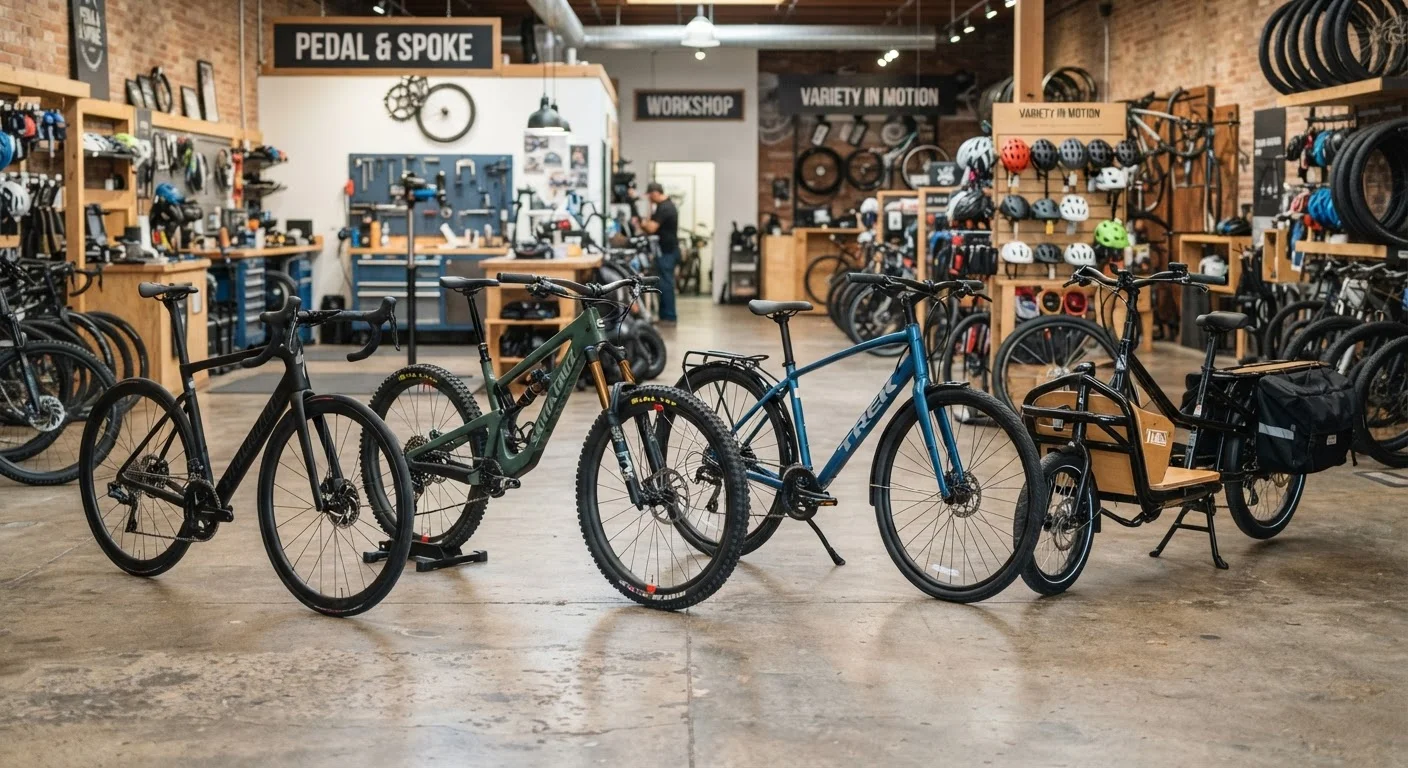
The e-bike market spans a wide range of platforms - commuter, cargo, mountain, folding - and choosing the wrong one for your actual riding context is one of the most common sources of buyer dissatisfaction. A cargo e-bike that handles school runs and grocery trips well will feel cumbersome on a recreational weekend ride. Comparing cargo and standard e-bike platforms side by side can clarify which geometry and payload capacity actually fits your life.
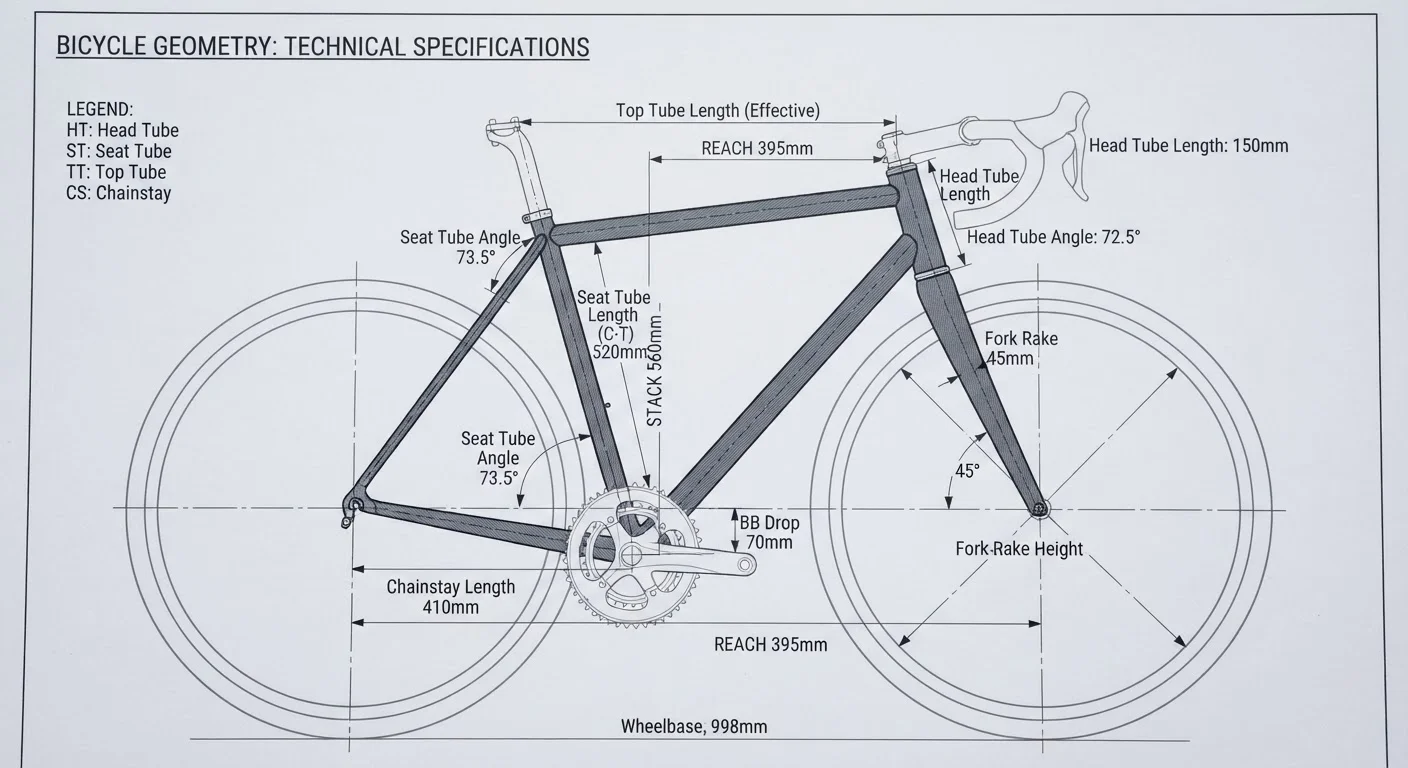
For commuter-focused riders, the component and geometry choices matter more than many buyers realize. The details that separate a comfortable commuter e-bike from a frustrating one often come down to ergonomics, tire choice, and motor placement rather than top-line specifications. There are also persistent misconceptions worth clearing up: common e-bike myths keep some riders on the fence unnecessarily. When the trade-offs are understood clearly, the decision becomes straightforward for most riders.