The Geometry Logic: Why You Sit the Way You Do
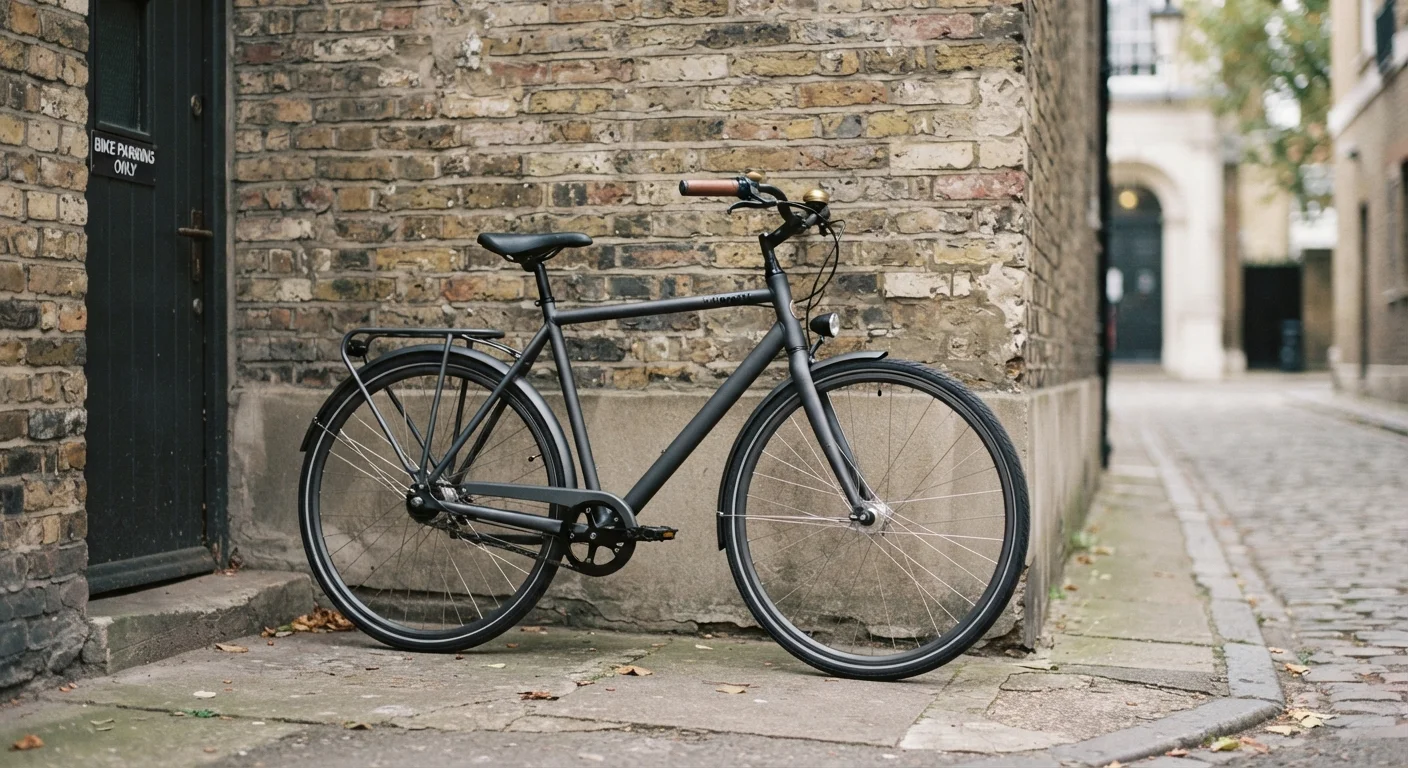
When you climb onto a city bike, the first thing you notice is how naturally upright you sit. That's not a stylistic choice - it's an engineering decision rooted in the demands of urban riding.
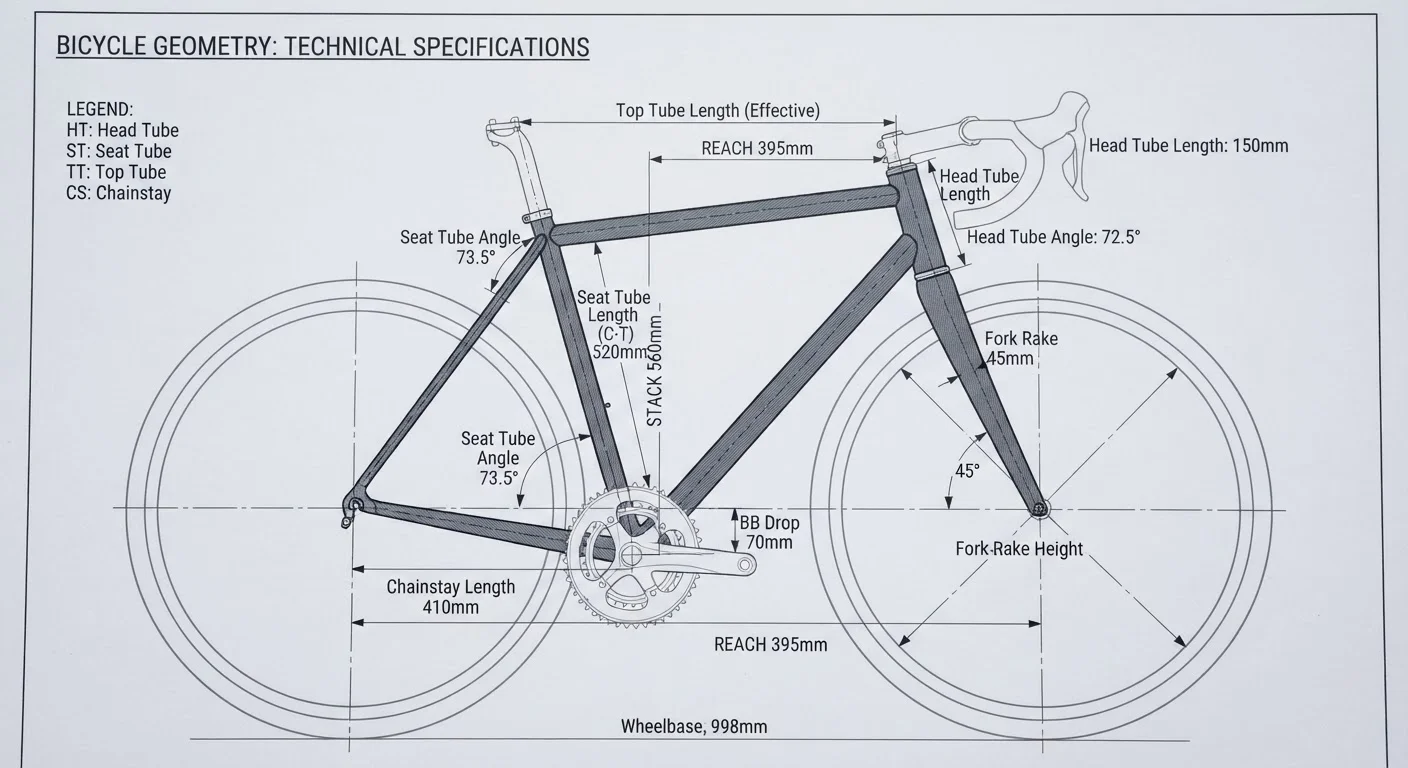
Commuter frames feature a high stack (the vertical distance from the bottom bracket to the top of the head tube) and a short reach (the horizontal distance to the handlebars). The result: your torso stays relatively vertical, your head is up, and your sightlines extend naturally ahead and to the sides - exactly where urban hazards appear. Swept-back handlebars reinforce this posture by bringing the grips toward the rider rather than pushing them forward.
Relaxed frame angles - typically a head tube angle in the 70-72 degree range - also contribute to stability and predictable steering at low speeds. Where a road bike rewards sharp, reactive handling at 25 mph, a commuter bike is tuned for controlled, confident maneuvering around pedestrians, parked cars, and curb cuts. See our guide to bicycle anatomy for a deeper look at how frame geometry connects to every other component.
Test Ride in Your Actual Conditions
When evaluating a city or commuter bike, replicate your actual commute as closely as possible during a test ride - including stopping, starting, and carrying a loaded bag. Geometry decisions that feel neutral in a parking lot reveal themselves clearly in stop-and-go traffic.
Tires, Fenders, and Surface Reality
City streets are not smooth. Between patched asphalt, drainage grates, painted crosswalks, and the occasional pothole, urban surfaces demand tires wide enough to absorb irregularities without pinch-flatting or losing traction.
Most city and commuter bikes ship with tires in the 32-50mm range. Wider tires can be run at lower pressures, which increases the contact patch and improves grip - particularly important on wet pavement. Many commuter-specific tires also incorporate puncture-resistant belts beneath the tread, reducing the likelihood of a flat mid-commute.
Fender mounts - those small threaded eyelets on the fork and seatstay - exist specifically to accommodate full-coverage fenders. When it rains, fenders prevent spray from soaking your back and shoes. Their presence on a frame signals deliberate design intent for all-weather use, not just fair-weather rides.
32-50mm
Typical tire width range on commuter bikes
Wider tires run at lower pressures improve grip and road compliance on typical urban surfaces compared to the 23-28mm tires common on road bikes.
25-55 lbs
Common rear rack load rating range
Standard commuter rear racks are typically rated for 25-55 lbs depending on construction; city frames are engineered with mounting eyelets that support these loads safely.
70-72°
Typical commuter head tube angle
This range produces stable, predictable steering at low urban speeds - more relaxed than the 73-74° angles common on performance road bikes.
Cargo Capacity and the Rack Ecosystem
Carrying a laptop bag, groceries, or work clothes is a routine commuter requirement that performance bikes simply aren't built to handle. City and commuter frames address this with rear rack eyelets - and often front fork eyelets - engineered to support the load ratings of standard bicycle racks (typically up to 25-55 lbs depending on the rack model).
This mounting infrastructure enables an entire ecosystem of panniers, baskets, and cargo systems that attach reliably without improvised adapters. Some commuter frames also include lowrider front rack mounts, allowing weight to sit lower and closer to the front axle for more balanced handling when loaded.
For riders considering cargo-hauling options beyond standard commuters, the full bicycle style spectrum covers how cargo and utility bikes extend these principles further.
Drivetrain Choices Built for Daily Reliability
A commuter bike's drivetrain reflects a different priority hierarchy than a road or mountain bike. Maintenance intervals matter. Reliability in the rain matters. Shifting at a red light matters.
Internal gear hubs - common on quality commuter bikes - seal the gear mechanism inside the rear hub, protecting it from dirt, rain, and road salt. They allow shifting while stationary, a meaningful convenience in traffic. The trade-off is weight and a narrower gear range compared to a multi-ring derailleur system, but for flat-to-rolling urban terrain, most internal hubs offer sufficient range.
Enclosed chain cases or chainguards, often paired with internal hubs, keep the chain clean and prevent oil from staining clothing. These aren't refinements - they're practical solutions to daily-use friction points. For riders exploring e-bike commuting, drivetrain and geometry considerations translate directly to the electric category as well.
Single-Speed Commuters: A Valid Option
Some city riders opt for single-speed or fixed-gear drivetrains, which eliminate derailleurs and shift cables entirely. This further reduces maintenance at the cost of versatility on hilly terrain. Single-speeds suit flat urban environments and riders who prefer mechanical simplicity over a wide gear range.
Lighting, Visibility, and Integrated Infrastructure
Riding in urban environments means riding in varying light conditions - early mornings, late evenings, tunnels, and overcast days. City bikes frequently include dynamo hub wiring provisions or integrated mounting points for lights at the fork crown and rear seatstay, letting riders install permanently wired lighting systems rather than relying on clip-on, battery-powered units.
Dynamo hubs generate power from the wheel's rotation and eliminate the need to recharge or replace batteries - a meaningful advantage for daily riders. The modest drag they introduce is generally negligible at commuting speeds.
Reflective tire sidewalls and spoke reflectors are additional standard visibility features. None of these elements appear by accident; they reflect design decisions made specifically for riders operating in traffic, often at dawn or dusk. If you're evaluating whether a city bike suits your specific route and schedule, a structured set of questions before committing to a bike style can help clarify priorities.