Why Mixed Terrain Makes Bike Selection Harder
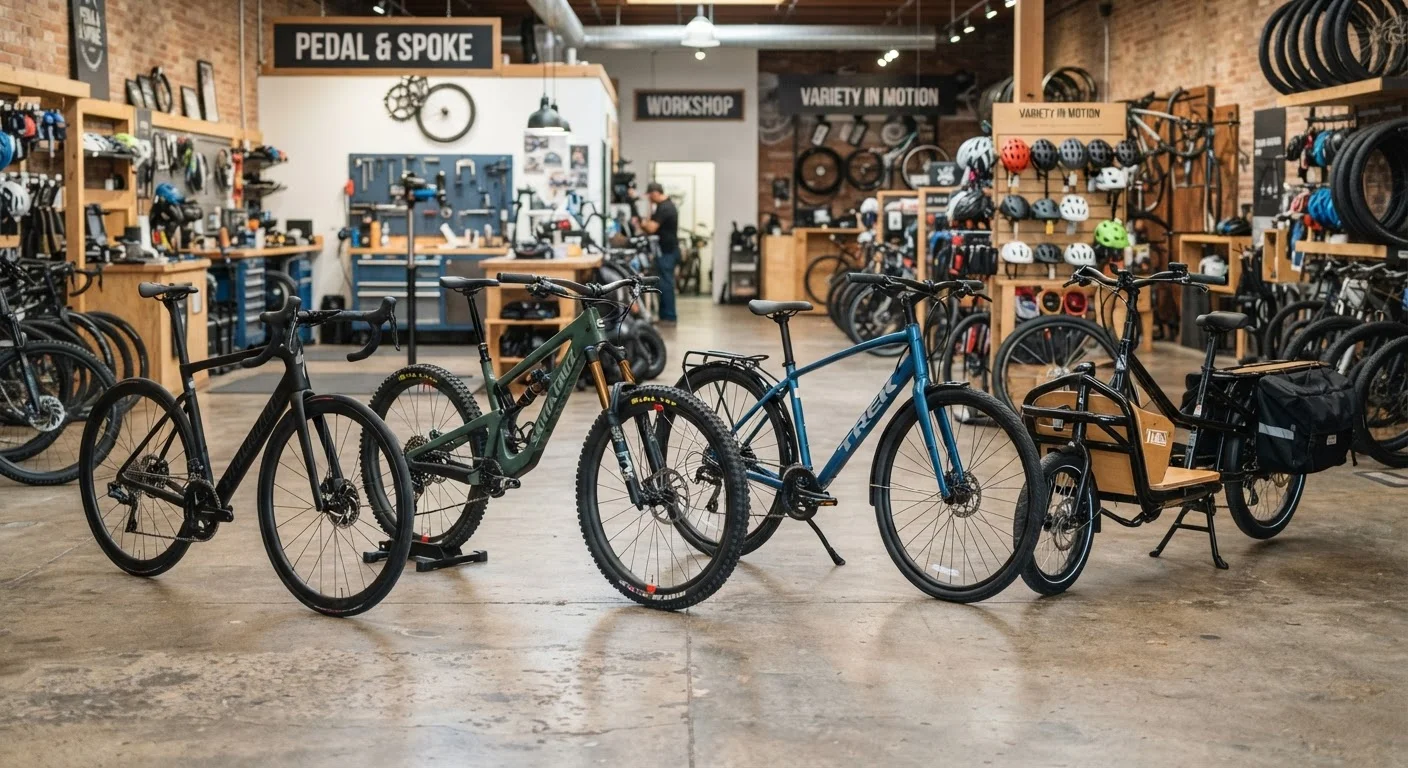
Most bike styles are designed around a dominant use case. Road bikes excel on smooth tarmac. Trail mountain bikes are optimized for technical singletrack. When your riding life sits between those poles - a weekday commute on pavement that turns onto a gravel path, weekend rides that mix bike lanes with packed-dirt trails - no single category is an obvious fit.
The challenge is that mixed-terrain riders tend to evaluate bikes against each surface individually rather than as a whole system. A bike may look too road-oriented for the gravel sections and too rugged for the commute, leading to indecision or a choice that underserves both contexts. The framework below works differently: it starts with your actual route data and works outward to style, rather than starting with a style and hoping it fits.
What you will need
Before working through the steps, consider reviewing how to match bike style to lifestyle factors if you are earlier in your decision process.
Step-by-Step: Narrowing Your Bike Style
Log Your Actual Routes and Surface Breakdown
Before comparing bike styles, record two to four weeks of typical rides using a mapping app or cycling computer. Note the approximate percentage of each ride spent on paved roads, packed gravel, loose dirt, and any other surfaces you regularly encounter. Be honest about frequency - a monthly gravel excursion carries less weight than a daily mixed commute.
This data becomes the foundation for every style decision that follows. Riders who discover they spend 70% on pavement and 30% on compact gravel are looking at a different solution than someone whose routes are evenly split between tarmac and rougher fire roads.
Identify Your Primary Performance Priority
Mixed-terrain riders typically fall into one of three priority groups: speed-focused (minimizing time on the road portions), comfort-focused (reducing fatigue across varying surfaces), or utility-focused (carrying cargo or commuting reliably). These priorities shape which bike style compromises are acceptable.
Speed-focused riders generally tolerate a more aggressive riding position and accept slightly reduced off-road capability in exchange for efficiency. Comfort-focused riders tend to prefer an upright geometry that is forgiving on rough surfaces. Utility-focused riders weight rack compatibility, fender clearance, and consistent reliability over raw performance.
Match Your Terrain Split to a Bike Style Category
Use your route data and priority to map to a realistic style range:
- Predominantly paved with occasional gravel (less than 25% unpaved): A flat-bar road bike or hybrid will likely cover both surfaces adequately. See how hybrid bikes balance road and off-road design for a deeper look at that category's trade-offs.
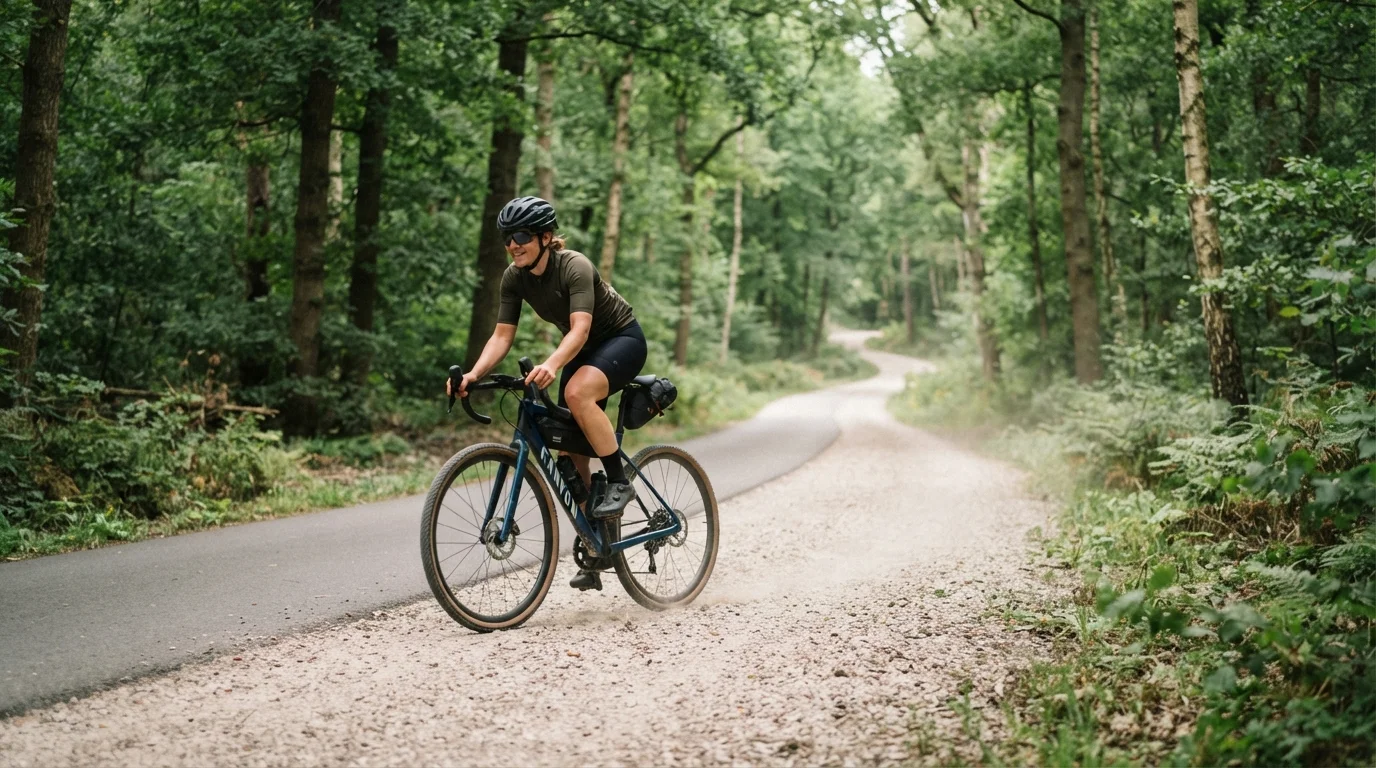
- Roughly even paved and unpaved split: A gravel bike's drop-bar geometry and wider tire clearance handles this balance well. Gravel and adventure bikes differ in geometry and intended use - worth distinguishing before committing.
- Predominantly unpaved with occasional pavement: A hardtail mountain bike or adventure bike with road-capable tires is a more appropriate anchor. Review hardtail vs. full-suspension trade-offs if your unpaved terrain is technical.
Check Tire Clearance and Gearing Range Against Your Routes
Once you have a style category in mind, verify that specific bikes within that category can physically accommodate the tires your terrain requires. Packed gravel typically rides well on 35-40mm tires; looser surfaces and fire roads benefit from 40-50mm. Paved-heavy routes can use narrower tires in the 28-35mm range without significant penalty.
Gearing range matters if your mixed routes include meaningful elevation. A wide-range drivetrain - common on gravel and mountain bikes - handles climbs without forcing riders to stand for extended stretches. Confirm the lowest gear ratio suits your terrain's steepest grades. See bicycle component considerations for more on drivetrain selection.
Evaluate Handlebar Style for Your Comfort and Control Needs
Handlebar style significantly affects how a bike rides across varied surfaces. Drop bars provide multiple hand positions, which reduces fatigue on long road sections, but they position the rider lower and forward - a geometry that some find uncomfortable on rough terrain. Flat bars offer an upright position with direct steering feedback, which many riders find more intuitive on unpaved surfaces.
Neither is universally better for mixed terrain; the right choice depends on your riding duration and the type of unpaved surface involved. Our comparison of drop bars and flat bars covers this in detail if you are undecided.
Confirm Practical Requirements Before Finalizing
Run through practical constraints that narrow the field further: Do you need to mount a rack or fenders for commuting? Verify eyelets are present on the frame and fork. Will the bike be stored indoors or outdoors, and does weight affect portability to upper floors or onto transit? Is an e-bike assist worth considering if your mixed routes include significant climbing? Our article on what separates a comfortable e-bike commuter from a frustrating one addresses those considerations specifically.
Use this structured checklist of pre-purchase questions to catch any remaining gaps before you commit to a style.
When in Doubt, Prioritize Tire Clearance
A bike that physically accepts wider tires gives you flexibility as your routes evolve. Tire clearance is one of the hardest constraints to work around after purchase - you can swap handlebars or gearing, but you cannot retrofit a frame to fit a wider tire than its fork and chainstays allow. Checking maximum tire clearance before committing to a frame is a reliable way to future-proof your choice.
Avoid Over-Optimizing for Edge Cases
It's tempting to spec for the most demanding terrain in your rotation, but a bike built for aggressive off-road use will feel sluggish and heavy on the commute that makes up 80% of your riding. Weight your bike choice toward the surface you actually cover most frequently, not the most challenging outing you might occasionally attempt.
Don't Let Category Labels Override Fit
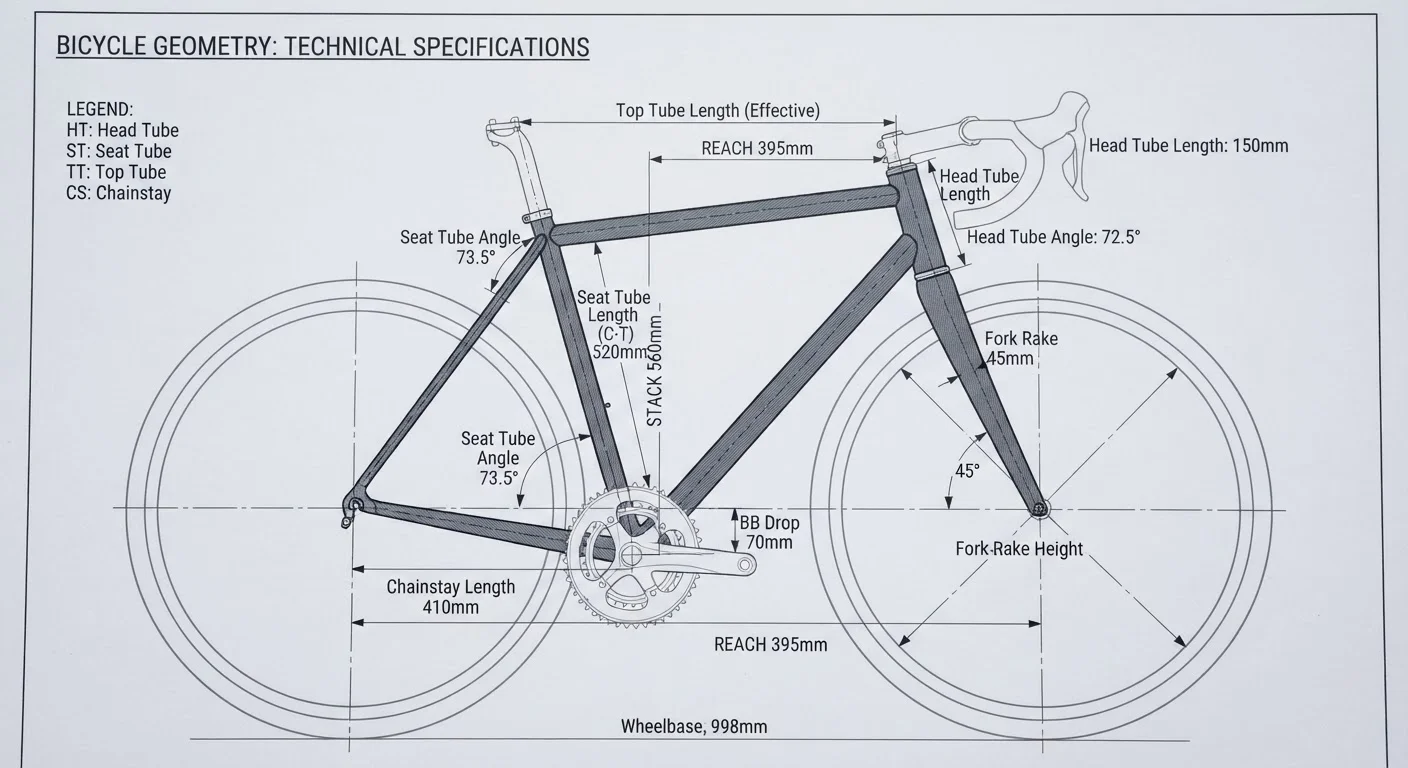
Bike style categories are useful shorthand, but geometry and fit determine whether a bike actually works for your body and riding pattern. A gravel bike spec'd for long-distance endurance riding may suit you less than a hybrid with a more upright stack, even if the gravel bike's terrain capability looks better on paper. Always consider how a bike's fit interacts with the surfaces you ride, not just whether the tires are wide enough.
Components That Extend Versatility
Once a base bike style is chosen, a handful of component decisions can meaningfully expand its useful range. Tire choice is the most impactful: a gravel bike fitted with narrower, smoother-tread tires rolls efficiently on pavement, and the same frame with wider, knobbier tires handles looser surfaces. Understanding the trade-offs between clincher, tubeless, and tubular tire systems informs which setup suits your maintenance preferences.
Pedal choice also affects how versatile a bike feels day-to-day. Flat pedals allow regular footwear on utility or commuting days; clipless systems improve pedaling efficiency on longer efforts. Comparing pedal types and cleat systems helps clarify which setup matches your actual use pattern rather than an idealized one.
These component-level choices do not change a bike's fundamental geometry or tire clearance ceiling - structural constraints set at the frame level - but they allow meaningful tuning within those limits as your routes and preferences evolve.