What a Folding Bike Actually Is
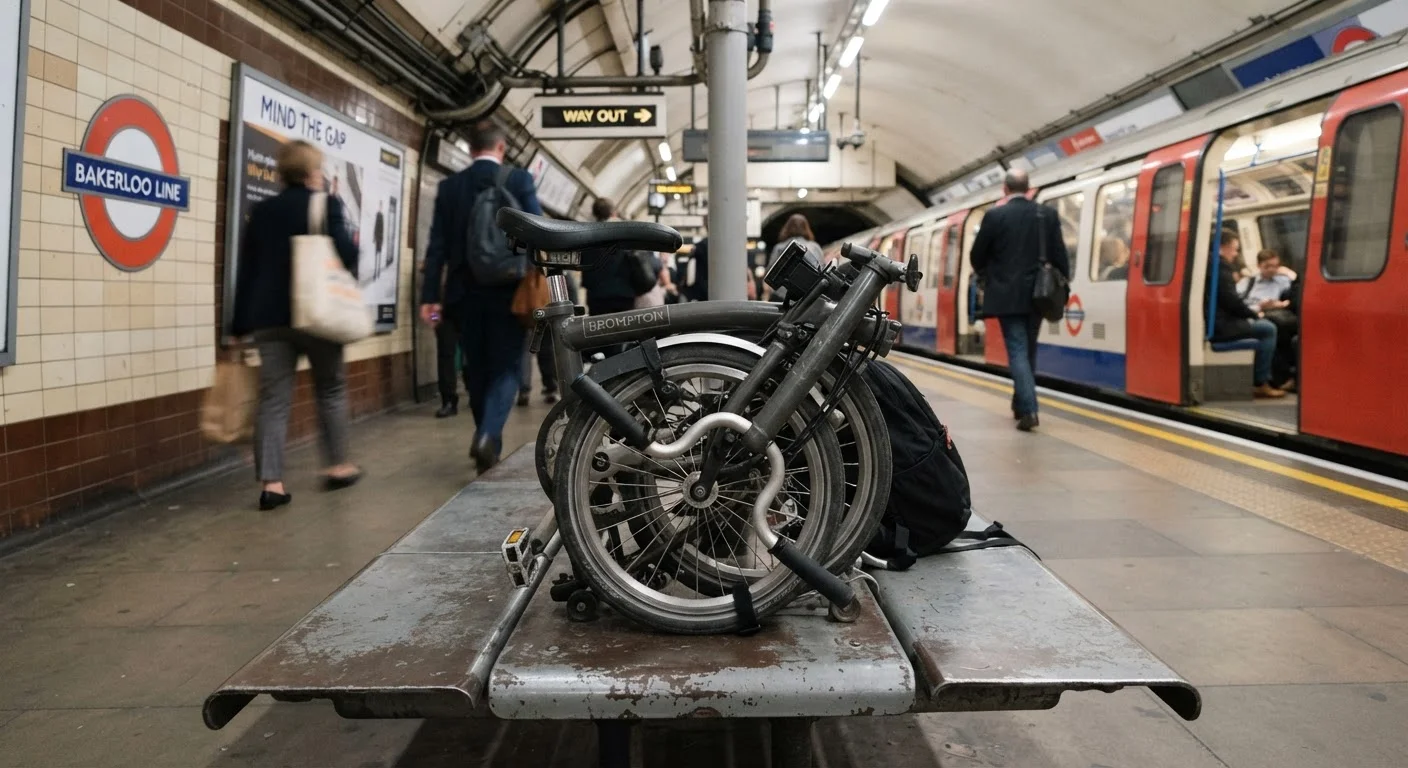
A folding bicycle is a production-built cycle engineered to collapse into a compact package - typically via one or more hinges in the main frame, a folding stem or handlebar post, and a foldable seatpost. The resulting package is small enough to carry onto a bus or train, stow under a desk, or fit in a car trunk without disassembly.
Most folding bikes use 16-inch or 20-inch wheels, which is substantially smaller than the 26-inch, 27.5-inch, or 700c wheels found on standard bicycles. That wheel size choice is the central engineering decision from which most of the format's trade-offs flow. A handful of designs use larger wheels - 24-inch or 650c - and fold less compactly as a result.
Folding bikes are distinct from travel bikes, which disassemble via S&S couplers or similar systems for packing in luggage. They are also different from full-size bikes with quick-release wheels. The folder is meant to collapse and open quickly - often in under 30 seconds - without tools. For context on how other urban-oriented designs approach portability differently, see our guide to city and commuter bike design logic.
The Genuine Advantages
Transit-compatible on most commuter rail systems
Most folded bikes meet the size and carry-on policies of US commuter rail, ferry, and bus operators that prohibit standard bicycles during peak hours, opening up multi-modal commute options.
Eliminates outdoor lock-up and theft exposure
A bike stored indoors at a workplace or home is not exposed to opportunistic theft or weather. This is a meaningful daily-life advantage in dense urban environments.
Fits small living spaces without dedicated storage
A folded bike can occupy a closet corner, fit under a staircase, or slide beneath a desk - spaces a full-size bike cannot realistically use.
No car rack or van required for transport
Folders can travel in a car trunk or back seat without a rack system, making vehicle transport easier and removing the need for additional equipment.
The portability benefit is not incremental - it is categorical. A folding bike can travel on most US commuter rail systems that prohibit full-size bicycles during peak hours, fit in an overhead bin on some ferries, and occupy a corner of a studio apartment without dominating the space. For a rider whose commute involves a train segment, that difference can make cycling viable where it otherwise would not be.
Storage security is a secondary but real advantage. A folder brought indoors eliminates outdoor lock-up exposure entirely. Theft and weather damage - two persistent concerns for urban cyclists - are effectively removed from the equation when the bike lives under your desk.
The Compromises You Accept
Small wheels ride harsher on rough pavement
16-inch and 20-inch wheels encounter surface imperfections at a less favorable geometry than larger wheels, producing a noticeably stiffer feel on cracked or uneven urban roads.
Lower rolling efficiency than large-wheel bicycles
Smaller wheels require more sustained pedaling effort to maintain speed over distance, making folders less efficient on longer commutes or in windy conditions.
Frame hinges reduce structural rigidity
Even high-quality folding mechanisms introduce some flex compared to a continuous frame tube, which is detectable under hard pedaling efforts and can affect handling confidence.
Heavier than equivalent non-folding commuter bikes
Folding hardware, reinforced joints, and sometimes a chaincase add weight, with many models ranging from 22 to 28 pounds - notable when carrying the bike up stairs.
Limited fit adjustability for riders at height extremes
Many folders come in a single frame size and rely on stem and seatpost adjustment alone, which may not provide adequate reach or stack height for very tall or very short riders.
Proprietary or uncommon parts can complicate maintenance
Small-wheel tires and folder-specific components are stocked by fewer retailers than standard sizes, potentially requiring manufacturer sourcing and longer wait times for repairs.
Small wheels respond differently to road imperfections than large ones do. A 16-inch wheel has a smaller contact patch relative to an obstacle's size, which means potholes, expansion joints, and debris feel more abrupt. Riders accustomed to 700c wheels often describe the transition as noticeably harsher, particularly at urban cycling speeds.
Rolling efficiency is also affected. Larger wheels maintain momentum more easily across flat ground. Smaller wheels require more pedal input to sustain comparable speeds, which matters most on longer rides or into headwinds. This is one reason folding bikes tend to be positioned as short-to-medium-distance commuter tools rather than general-purpose bicycles.
Frame rigidity is a legitimate concern. A hinged frame is mechanically less stiff than a continuous tube, and under hard pedaling efforts - particularly out-of-saddle climbing - some folders exhibit noticeable flex at the hinge. Higher-quality folders address this with precision-machined locking mechanisms, but the physics of the hinge remain. Riders interested in hauling gear rather than optimizing for portability may find cargo bike designs better suited to their needs.
Fit, Maintenance, and Practical Ownership
Fit Verification Matters More on Folders
Because many folding bikes offer limited frame size variants, effective reach and standover height can be harder to optimize than on a standard bicycle. Riders should ideally test-ride a folder before purchasing, paying attention to whether the cockpit position feels natural over a 20-to-30-minute ride. Seatpost and stem adjustments help, but they have limits - particularly for riders outside the median height range.
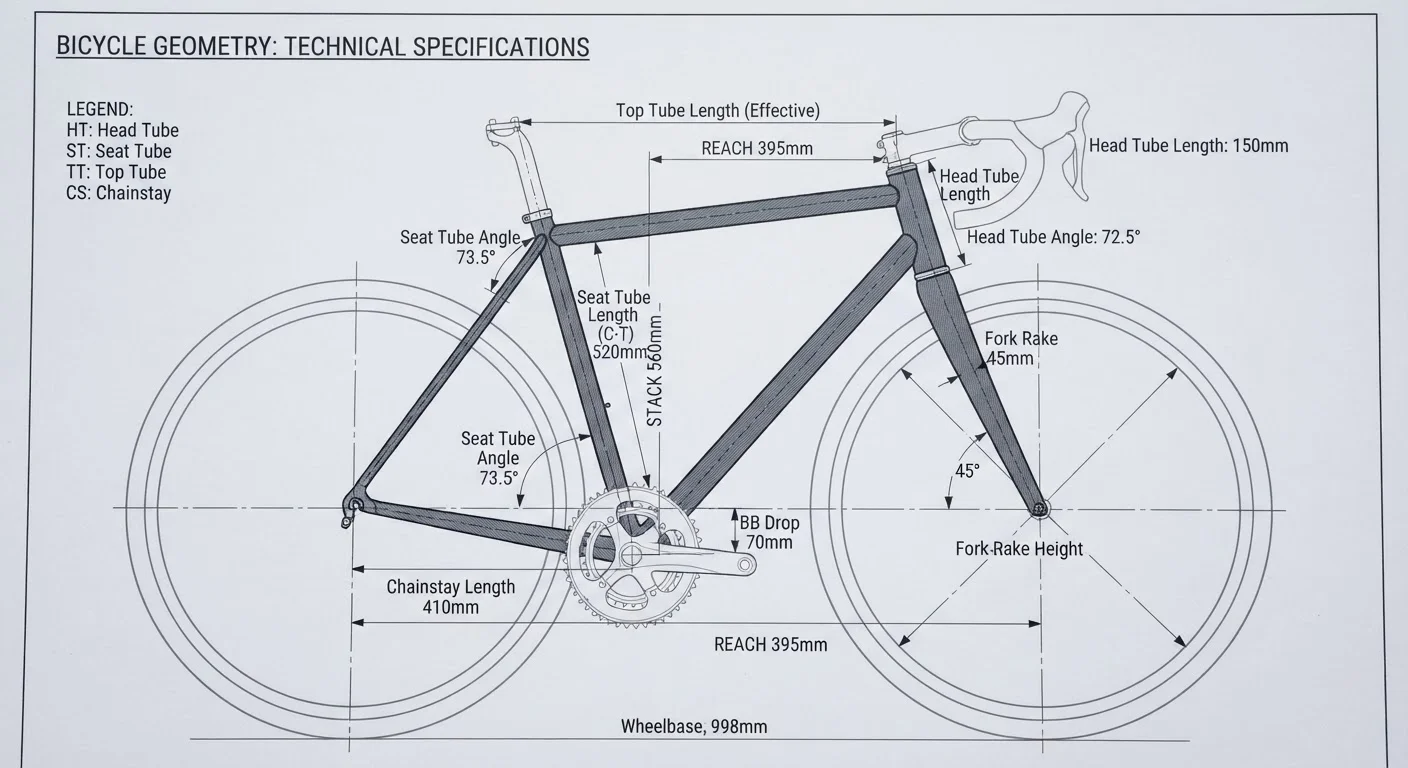
Fit on a folding bike is more constrained than on a standard bicycle. Many folders offer limited frame size options - sometimes just one - and rely on seatpost height and handlebar stem extension to accommodate a range of riders. Effective reach (horizontal distance from saddle to bars) can be harder to dial in, and riders on the taller or shorter ends of the height spectrum should verify fit carefully before committing.
Maintenance follows standard bicycle principles, but sourcing parts for small-wheel drivetrains - particularly tires in 16-inch sizes - can require more effort than sourcing 700c or 26-inch components. Folder-specific parts like hinge hardware or proprietary stems may require going through the original manufacturer.
Weight is worth noting. The folding mechanism, reinforced frame joints, and sometimes a full chaincase add mass. Many quality folders weigh between 22 and 28 pounds - heavier than comparable non-folding commuter bikes. That matters during the carrying phase, especially on stairs. Before settling on any bike style, the structured checklist in our bike style decision guide can help clarify which factors are most important for your situation.