
What a Hybrid Bike Actually Is
The term "hybrid" gets used loosely in cycling, but it has a fairly consistent meaning: a bike designed to be usable across multiple surface types without being purpose-built for any one of them. To understand where hybrids sit, it helps to picture the two endpoints they borrow from.
Road bikes are built for speed on smooth pavement - drop handlebars, narrow high-pressure tires, and aggressive forward-lean geometry all serve that goal. Mountain bikes sit at the other extreme, with wide knobby tires, significant suspension travel, and geometry tuned for stability on loose, technical terrain. See our overview of what defines a mountain bike for a deeper look at MTB-specific design.
A hybrid takes traits from both categories - typically the wheel diameter and relative efficiency of a road bike, combined with the flat handlebar, wider tire clearance, and relaxed frame angles more common on mountain bikes. The result is a bike that handles paved commutes, park paths, and light gravel without requiring the rider to adopt a racing posture or manage the bulk of a trail-ready MTB.
"Hybrid" Is a Broad Label
The hybrid category includes several sub-types: fitness hybrids lean toward road efficiency with a slightly more aggressive position, while comfort hybrids prioritize an even more upright stance and sometimes include suspension seatposts. City bikes are sometimes marketed as hybrids despite being more narrowly optimized for urban use. When evaluating a specific model, look at the actual specifications - geometry, tire width, and gearing - rather than relying solely on the category label. Our article on common bike category misconceptions explores how marketing labels can obscure practical differences.
Key Design Traits That Define the Category
Several specific features distinguish hybrids from other bike styles:
- Flat handlebars: Unlike the drop bars on road and gravel bikes, flat bars place the hands in a neutral position and the torso upright. This improves sightlines in traffic and reduces strain on wrists and lower back during shorter rides.
- 700c wheels with medium-width tires: Most hybrids use tires in the 35-50mm range - wide enough to absorb road vibration and roll over gravel, but not so wide that they create excessive rolling resistance on pavement.
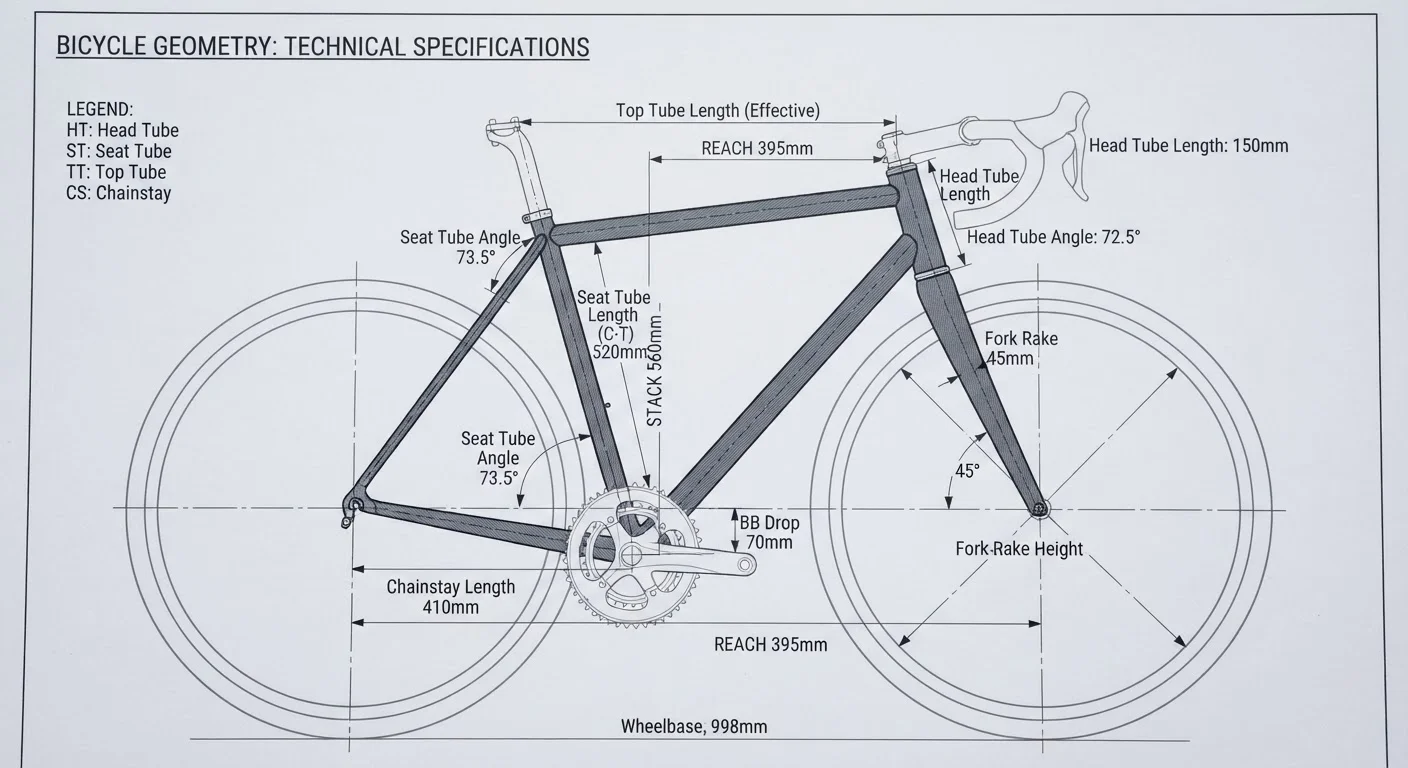
- Relaxed geometry: Head tube angle and seat tube angle are less aggressive than road bikes, which contributes to the comfortable upright riding position hybrids are known for.
- Mounting points: Rack mounts, fender eyelets, and water bottle bosses are standard on most hybrids, making them practical for utility riding in ways that performance road bikes are not.
For those interested in how components like tires, drivetrains, and handlebars interact, the bicycle components hub provides a useful reference.
Prioritize Tire Clearance When Comparing Models
One of the most practical features to check on any hybrid is maximum tire clearance. A frame that accepts 45mm or wider tires gives you flexibility to run slightly larger tires for rougher routes or switch to narrower, faster-rolling tires for pavement-heavy commutes. This adaptability is one of the hybrid's genuine advantages over more specialized bike types.
Where Hybrids Perform Well - and Where They Fall Short
Understanding the trade-offs is as important as knowing the features. Hybrids are genuinely capable on:
- Paved roads, bike lanes, and multi-use paths
- Compacted gravel and crushed limestone trails
- Mild dirt paths without significant rocks or roots
- Urban commutes with varied surface quality
They are not the right tool for:
- Technical mountain bike trails with drops, roots, or loose rock
- High-speed road riding where aerodynamic efficiency matters
- Long-distance gravel riding (where a gravel bike's drop-bar ergonomics become an advantage)
If your routes are genuinely split between pavement and rougher terrain, see our article on picking a bike style for mixed terrain for a structured way to think through the decision.
35-50mm
Typical hybrid tire width range
This range balances rolling efficiency on pavement with enough volume to absorb gravel and rough surface vibration.
700c
Standard hybrid wheel diameter
Shared with most road and gravel bikes, 700c wheels roll efficiently and make tire selection straightforward.
50-75mm
Front suspension travel on hybrid forks
Where present, hybrid suspension forks use limited travel aimed at comfort over rough pavement, not trail absorption.
How Hybrids Fit the Broader Bike Style Spectrum
Hybrids are one of many categories in a larger ecosystem of bicycle styles. Riders sometimes assume a hybrid is always the safest or most versatile default, but that's not universally true. Gravel bikes, for instance, can cover similar terrain while offering greater efficiency and longer-distance comfort - the trade-off is a more involved riding position and typically higher component specification (and price). Road bikes beat hybrids for pure pavement performance. Dedicated mountain bikes are in a different category entirely for off-road use.
The full bicycle style spectrum guide maps out every major category and helps clarify where hybrids sit relative to cargo bikes, city bikes, cruisers, and more. It's worth consulting if you're still narrowing down your options.
It's also worth noting that hybrid-style e-bikes are among the most common configurations in the electric bike market, since the upright position and versatile tires suit the assisted commuting use case well. The e-bike hub covers how electric assist changes the calculus for riders choosing between styles.